In today’s unpredictable world, the significance of being prepared for emergencies cannot be overstated. Natural disasters, power outages, and unforeseen events can strike at any moment, leaving individuals and families vulnerable. I have come to realize that having a solid emergency preparedness plan is not just a precaution; it is a necessity.
By taking proactive steps to prepare, I can ensure that I am equipped to handle various situations, minimizing stress and uncertainty when the unexpected occurs. Being prepared goes beyond simply having supplies on hand; it involves understanding the potential risks in my area and developing a comprehensive strategy to address them. This includes knowing evacuation routes, having a communication plan with loved ones, and being aware of local resources.
I have learned that preparedness fosters resilience, allowing me to face challenges with confidence rather than fear. The peace of mind that comes from knowing I am ready for whatever may come my way is invaluable.
Key Takeaways
- Emergency preparedness is crucial for ensuring survival during unexpected situations.
- Non-perishable food items like canned goods, dried fruits, and nuts are essential for emergency stockpiling.
- Water storage and purification methods such as boiling, filtration, and chemical treatment are important for ensuring clean drinking water during emergencies.
- Essential cooking and eating utensils like a portable stove, can opener, and mess kit are necessary for preparing and consuming emergency food supplies.
- Long-term food storage options like freeze-dried meals and dehydrated foods can provide sustenance during extended emergency situations.
Non-Perishable Food Items to Stock Up On
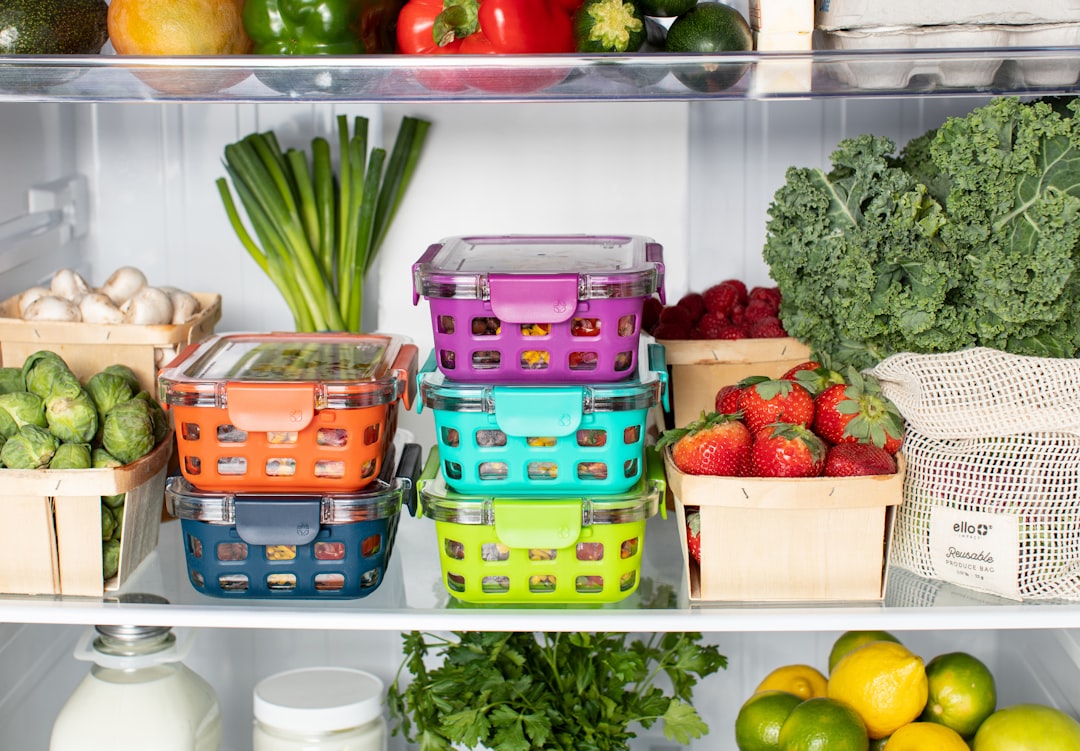
When it comes to emergency preparedness, stocking up on non-perishable food items is a crucial step. These foods have a long shelf life and can provide essential nutrition during times of crisis. I have found that canned goods, such as vegetables, fruits, and proteins like beans or tuna, are excellent choices.
They are not only easy to store but also require minimal preparation, making them ideal for emergencies when cooking facilities may be limited. In addition to canned items, I also consider dry goods like rice, pasta, and oats. These staples are versatile and can be used in various recipes, ensuring that I have options even in challenging circumstances.
I make it a point to include high-energy snacks like nuts, granola bars, and dried fruits in my stockpile. These items not only provide sustenance but also help maintain morale during stressful times. By carefully selecting a variety of non-perishable foods, I can create a well-rounded emergency food supply that meets my nutritional needs.
Water Storage and Purification Methods

Water is one of the most critical resources during an emergency, and I have learned the importance of having a reliable water storage plan. I aim to store at least one gallon of water per person per day for a minimum of three days. This means I need to have enough water on hand for drinking, cooking, and hygiene purposes.
I use food-grade containers to store water safely, ensuring that it remains uncontaminated. In addition to storage, I also consider purification methods in case my stored water becomes compromised or if I need to source water from other locations. Boiling is one of the simplest and most effective ways to purify water, but I also keep water purification tablets on hand for convenience.
Having a portable water filter is another option that provides peace of mind, allowing me to access clean water from natural sources if necessary. By preparing for both storage and purification, I can ensure that I have access to safe drinking water during emergencies.
Cooking and Eating Utensils
| Utensil | Function | Material |
|---|---|---|
| Chef’s Knife | Chopping, slicing, dicing | Stainless steel |
| Cutting Board | Surface for cutting ingredients | Wood, plastic, bamboo |
| Saucepan | Heating liquids, cooking sauces | Aluminum, stainless steel |
| Frying Pan | Searing, frying, sautéing | Cast iron, non-stick |
| Wooden Spoon | Stirring, mixing | Wood |
In an emergency situation, having the right cooking and eating utensils can make a significant difference in my ability to prepare meals. I prioritize packing essential items such as a portable stove or camping grill, which allows me to cook even without electricity. Additionally, I keep a set of durable cookware that can withstand various cooking methods, including boiling and frying.
Eating utensils are equally important; I make sure to have enough plates, bowls, forks, knives, and spoons for everyone in my household. Disposable options can be convenient but may not be environmentally friendly, so I opt for reusable items whenever possible. A multi-tool or Swiss Army knife is also a valuable addition to my emergency kit, as it can serve multiple purposes in food preparation and other tasks.
By ensuring that I have the necessary cooking and eating utensils, I can maintain a sense of normalcy during challenging times.
Long-Term Food Storage Options
As I think about emergency preparedness, long-term food storage options become increasingly relevant. While non-perishable items are essential for immediate needs, having a plan for long-term storage ensures that I am prepared for extended emergencies. Freeze-dried foods are an excellent choice for long-term storage; they retain their nutritional value while taking up minimal space.
I have found that these foods can last for years when stored properly. Another option I consider is dehydrating fruits and vegetables myself. This not only allows me to control what goes into my food but also provides a fun project that can be done ahead of time.
Vacuum sealing is another effective method for preserving food; it removes air from packaging, extending shelf life significantly. By incorporating these long-term storage options into my preparedness plan, I can ensure that I have access to nutritious meals even during prolonged emergencies.
Nutritional Considerations for Survival Foods

When stocking up on survival foods, nutritional considerations play a vital role in my planning process. It’s essential to choose foods that provide balanced nutrition to sustain energy levels during stressful situations. I focus on incorporating a mix of carbohydrates, proteins, and healthy fats into my emergency food supply.
For instance, whole grains like quinoa or brown rice offer complex carbohydrates that provide lasting energy. I also pay attention to vitamins and minerals by including canned vegetables and fruits in my stockpile. These items not only add variety but also contribute essential nutrients that support overall health.
Additionally, I consider dietary restrictions within my household; having gluten-free or vegetarian options ensures that everyone’s needs are met during emergencies. By prioritizing nutritional value in my food choices, I can maintain my health and well-being even in challenging circumstances.
Creating a Meal Plan for Emergency Situations
Having a meal plan specifically designed for emergency situations is an effective way to maximize the use of my stored food supplies. I take the time to create simple recipes that utilize non-perishable ingredients while ensuring variety in our meals. For example, I might plan a chili using canned beans and tomatoes one night and then prepare pasta with canned vegetables the next.
I also consider portion sizes and how many meals each item can provide. This helps me avoid waste and ensures that we have enough food for the duration of an emergency. Additionally, having a meal plan allows me to maintain some semblance of routine during chaotic times, which can be comforting for myself and my family.
By being intentional about meal planning, I can make the most of our emergency food supplies while keeping morale high.
Rotating and Replenishing Food Supplies
One of the most critical aspects of maintaining an effective emergency food supply is the practice of rotating and replenishing items regularly. Over time, even non-perishable foods can lose their quality or reach their expiration dates if not managed properly.
I also make it a habit to use older items first when preparing meals at home. This not only helps keep my pantry organized but also ensures that nothing goes to waste. By incorporating this practice into my routine, I can maintain a fresh supply of emergency food while being mindful of our overall consumption habits.
Regularly rotating and replenishing supplies keeps me prepared without compromising on quality or nutrition when emergencies arise. In conclusion, being prepared for emergencies is an essential aspect of modern life that requires careful planning and consideration. From stocking up on non-perishable food items to ensuring access to clean water and essential cooking utensils, each step contributes to my overall readiness for unforeseen events.
By focusing on long-term storage options and nutritional considerations while creating meal plans and maintaining supplies through rotation, I can confidently face whatever challenges may come my way.
If you’re looking to deepen your understanding of survival food supplies, you might find the article on Survival Leader’s website quite enlightening. It offers a comprehensive guide on how to prepare and what to include in your emergency food stockpile, ensuring you’re well-prepared in any crisis. For more detailed insights, you can read the full article here. This resource is invaluable for anyone serious about disaster preparedness and looking to enhance their survival skills with the right nutritional planning.
FAQs
What are survival food supplies?
Survival food supplies are non-perishable food items that are stored for emergency situations such as natural disasters, power outages, or other unforeseen events. These supplies are intended to provide sustenance and nutrition when access to fresh food is limited or unavailable.
What types of food are typically included in survival food supplies?
Survival food supplies often include items such as canned goods, dried fruits and vegetables, rice, pasta, beans, nuts, and other non-perishable items with a long shelf life. Some supplies may also include freeze-dried or dehydrated foods, as well as ready-to-eat meals.
How long do survival food supplies last?
The shelf life of survival food supplies can vary depending on the type of food and how it is stored. Canned goods can typically last for several years, while freeze-dried or dehydrated foods can have a shelf life of 25 years or more when stored properly. It’s important to regularly check and rotate your supplies to ensure they remain safe to consume.
How should survival food supplies be stored?
Survival food supplies should be stored in a cool, dry place away from direct sunlight and extreme temperatures. It’s important to keep the supplies in airtight containers to prevent moisture and pests from getting in. Additionally, it’s recommended to have a designated area for your supplies that is easily accessible in case of an emergency.
Why is it important to have survival food supplies?
Having survival food supplies on hand can provide peace of mind and ensure that you and your family have access to food during an emergency. It can also help reduce the strain on local resources and emergency services during a crisis, allowing those resources to be allocated to those in greater need.