Understanding how to survive in the desert is crucial for anyone venturing into this harsh and unforgiving environment. The desert presents unique challenges that can be life-threatening if not properly addressed. From extreme temperatures to limited resources, knowing how to navigate, find water, and stay safe are essential skills for desert survival. In this article, we will explore various aspects of surviving in the desert, including understanding the terrain, finding water, choosing the right clothing, selecting appropriate food, navigation techniques, building shelter, first aid essentials, handling common hazards, maintaining mental toughness, and the importance of preparation.
Key Takeaways
- Understanding the terrain is crucial for survival in the desert.
- Finding and conserving water is essential in the desert.
- Dressing appropriately is key to success in the desert.
- Knowing what to eat (and what to avoid) is important in the desert.
- Navigation skills are necessary to stay on course in the desert.
Understanding the Terrain: A Crucial Element for Survival in the Desert
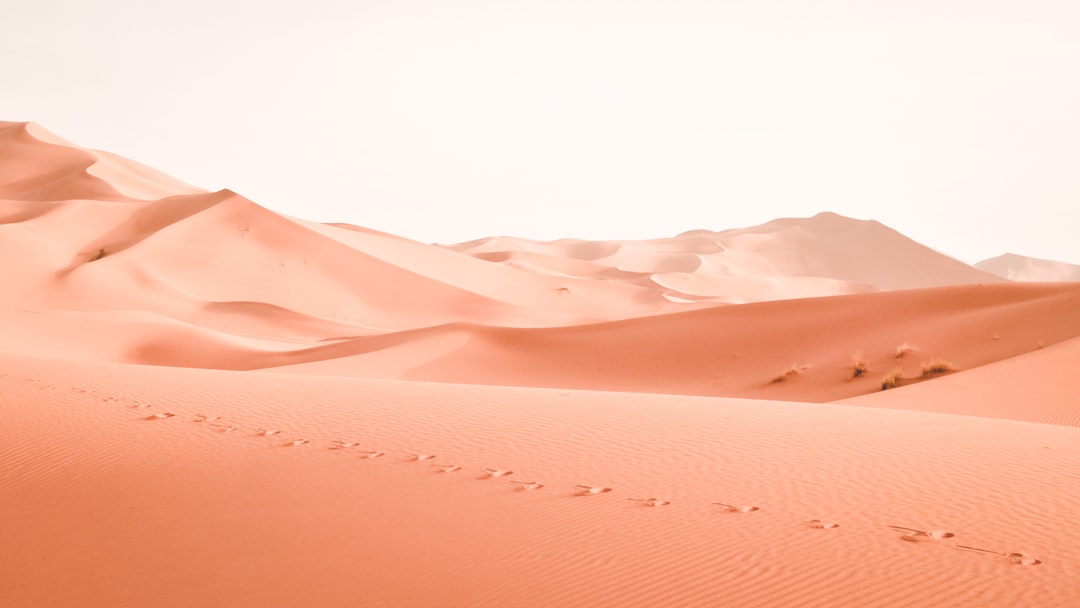
Deserts come in different types, each with its own set of challenges. There are hot deserts like the Sahara in Africa and the Mojave in North America, as well as cold deserts like the Gobi in Asia and the Atacama in South America. Understanding the terrain is crucial because it helps you adapt to the specific challenges of each type of desert.
In hot deserts, extreme temperatures and lack of shade are major concerns. The scorching sun can quickly lead to dehydration and heatstroke. Sand dunes and rocky terrain can make navigation difficult. In cold deserts, freezing temperatures and strong winds pose significant risks. Snow-covered landscapes can make it challenging to find water sources.
To adapt to the desert terrain, it is important to wear appropriate footwear that protects your feet from hot sand or sharp rocks. It is also advisable to cover your head with a hat or scarf to shield yourself from the sun’s rays. Additionally, learning basic navigation skills and using landmarks can help you stay on course and avoid getting lost.
Water, Water Everywhere: How to Find and Conserve Water in the Desert
Water is a precious resource in the desert, and finding and conserving it is essential for survival. Dehydration can occur rapidly in the desert due to high temperatures and increased sweating. It is crucial to understand where and how to find water sources.
One method of finding water in the desert is by looking for signs of vegetation, as plants often indicate the presence of underground water sources. Digging a hole near a plant’s roots can sometimes yield water. Another technique is to follow animal tracks, as animals are likely to lead you to water sources.
Conserving water is equally important. Avoid unnecessary physical exertion during the hottest parts of the day to minimize sweating. Covering your skin with lightweight, breathable clothing can also help reduce water loss through evaporation. Additionally, collecting dew or condensation on plants in the early morning can provide a small amount of water.
The Right Clothing: Dressing for Success in the Desert
| Category | Metric |
|---|---|
| Temperature | Highs of 100°F (38°C) and lows of 60°F (15°C) |
| Humidity | Low humidity levels, typically less than 30% |
| Sun Exposure | Intense sun exposure, with UV index levels often exceeding 10 |
| Recommended Clothing | Loose-fitting, lightweight, and light-colored clothing made of breathable fabrics such as cotton or linen |
| Accessories | Wide-brimmed hat, sunglasses, and sunscreen with at least SPF 30 |
| Footwear | Comfortable and breathable closed-toe shoes or boots with good traction |
| Additional Tips | Carry a water bottle and stay hydrated, avoid synthetic fabrics and dark colors, and dress in layers for temperature fluctuations |
Proper clothing is essential for surviving in the desert. The right clothing can protect you from extreme temperatures, sunburn, and other environmental hazards.
When choosing clothing for the desert, opt for lightweight, loose-fitting garments that provide coverage without trapping heat. Light-colored clothing reflects sunlight and helps keep you cool. Long sleeves and pants protect your skin from the sun’s rays and prevent insect bites. It is also important to wear a wide-brimmed hat or use a scarf to shield your face and neck from the sun.
Avoid wearing cotton clothing in the desert, as it retains moisture and can lead to chafing and discomfort. Instead, choose moisture-wicking fabrics that help keep you dry by pulling sweat away from your skin.
Food for Thought: What to Eat (and What to Avoid) in the Desert
Finding food in the desert can be challenging due to the limited availability of edible plants and animals. It is important to know what foods are safe to consume and how to avoid dangerous plants and animals.
In the desert, it is best to focus on finding edible plants such as cacti, mesquite beans, and desert herbs. These plants often have high water content and can provide some nutrition. However, it is crucial to properly identify these plants before consuming them, as some may be toxic.
Avoid eating unknown plants or animals, as they may be poisonous or carry diseases. It is also important to be cautious of insects and reptiles, as some can be venomous. If you are unsure about the safety of a particular plant or animal, it is best to err on the side of caution and avoid consuming it.
Navigation 101: How to Stay on Course in the Desert
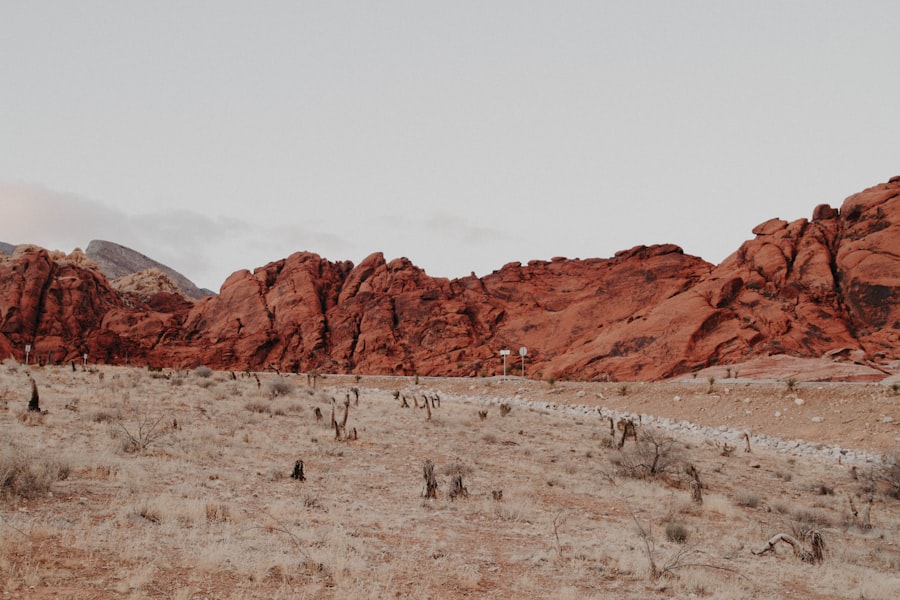
Navigation skills are essential for staying on course and avoiding getting lost in the vast expanse of the desert. Without proper navigation techniques, it is easy to become disoriented and wander aimlessly.
One of the most basic navigation techniques in the desert is using landmarks. Look for distinctive features such as mountains, rock formations, or unique vegetation that can serve as reference points. It is also helpful to carry a compass or GPS device to ensure accurate direction.
Another important aspect of navigation in the desert is understanding how to read the sun and stars. The sun rises in the east and sets in the west, which can help you determine your general direction. At night, familiarize yourself with constellations that can guide you.
Shelter from the Storm: Building a Safe Haven in the Desert
Building a shelter is crucial for protecting yourself from extreme temperatures, wind, and other elements in the desert. A well-built shelter can provide shade during the day and insulation during cold nights.
When building a shelter in the desert, it is important to use natural materials that are readily available. Look for rocks, branches, or vegetation that can be used as a framework for your shelter. Use lightweight fabrics or tarps to cover the structure and provide shade.
It is also important to consider the location of your shelter. Avoid low-lying areas that may flood during rainstorms. Look for elevated ground that provides good visibility and protection from wind.
First Aid in the Desert: Essential Supplies and Techniques
First aid skills and supplies are essential for handling common injuries and medical emergencies in the desert. In remote areas, medical help may be far away, so it is important to be prepared to handle minor injuries and illnesses.
When packing a first aid kit for the desert, include essentials such as bandages, antiseptic wipes, pain relievers, and any necessary prescription medications. It is also important to carry a basic first aid manual or guide to help you address different medical situations.
In addition to having the right supplies, it is important to know how to use them effectively. Take a first aid course or familiarize yourself with basic first aid techniques before venturing into the desert. Knowing how to treat common injuries such as cuts, burns, and sprains can make a significant difference in your ability to survive in the desert.
The Dangers of the Desert: How to Avoid and Handle Common Hazards
The desert presents various hazards that can be life-threatening if not properly addressed. Understanding these hazards and knowing how to avoid or handle them is crucial for survival.
Extreme temperatures are one of the most significant hazards in the desert. Heatstroke and dehydration can occur rapidly, so it is important to stay hydrated and seek shade during the hottest parts of the day. It is also crucial to protect yourself from the sun’s rays by wearing appropriate clothing and using sunscreen.
Another common hazard in the desert is wildlife encounters. While most desert animals are not aggressive towards humans, it is important to keep a safe distance and avoid provoking them. Be cautious of venomous snakes, scorpions, and spiders, and know how to identify and respond to their bites or stings.
Mental Toughness: Keeping Your Wits about You in the Desert
Mental toughness is crucial for surviving in the desert. The harsh conditions and isolation can take a toll on your mental well-being, so it is important to stay calm and focused.
One way to maintain mental toughness in the desert is by setting realistic expectations. Understand that survival in the desert is challenging and requires patience and resilience. Accepting the difficulties and focusing on finding solutions can help you stay positive and motivated.
It is also important to practice self-care in the desert. Take breaks when needed, stay hydrated, and eat nutritious food to maintain your physical and mental well-being. Engaging in activities that bring you joy, such as reading or listening to music, can also help boost your morale.
The Importance of Preparation: Planning Ahead for a Safe Desert Journey
Preparation is key to a safe desert journey. Before embarking on any desert adventure, it is important to plan ahead and pack essential supplies.
Research the specific desert you will be visiting and familiarize yourself with its unique challenges. Understand the climate, wildlife, and potential hazards you may encounter. This knowledge will help you prepare accordingly.
Make a checklist of essential supplies such as water, food, clothing, navigation tools, first aid kit, and emergency communication devices. Ensure that you have enough supplies to last throughout your journey and consider packing extra in case of unforeseen circumstances.
Inform someone about your travel plans and expected return date. This way, if you do not return as scheduled, they can alert authorities and initiate a search if necessary.
Surviving in the desert requires a combination of knowledge, skills, and preparation. Understanding the terrain, finding water, choosing appropriate clothing, selecting safe food options, navigating effectively, building shelter, having first aid knowledge, handling common hazards, maintaining mental toughness, and planning ahead are all crucial elements for surviving in the desert.
By taking the necessary steps to prepare and equip yourself with the right knowledge and supplies, you can increase your chances of a safe and successful desert journey. Remember, the desert can be a beautiful and awe-inspiring place, but it demands respect and careful preparation.
Looking for more survival tips for the desert? Check out this informative article on SurvivalLeader.com that provides essential advice for staying safe in the harsh desert environment. From finding water sources to building shelter, this article covers everything you need to know to increase your chances of survival. Don’t miss out on these valuable insights – click here to read the full article!
FAQs
What is the desert?
The desert is a dry, barren region that receives very little rainfall and is characterized by extreme temperatures and harsh living conditions.
What are some common dangers of the desert?
Some common dangers of the desert include dehydration, heat exhaustion, sunburn, venomous snakes and insects, flash floods, and sandstorms.
What are some essential items to bring when traveling in the desert?
Some essential items to bring when traveling in the desert include plenty of water, a map and compass, a first aid kit, sunscreen, a hat and sunglasses, a knife or multi-tool, and a means of communication such as a cell phone or satellite phone.
How can I stay hydrated in the desert?
To stay hydrated in the desert, it is important to drink plenty of water and electrolyte-rich fluids, avoid alcohol and caffeine, and conserve water by limiting physical activity during the hottest parts of the day.
What should I do if I get lost in the desert?
If you get lost in the desert, it is important to stay calm and conserve your energy. Try to retrace your steps or follow a natural feature such as a riverbed or mountain range. If you are unable to find your way, stay put and signal for help by using a mirror, whistle, or other signaling device.
How can I protect myself from the sun in the desert?
To protect yourself from the sun in the desert, it is important to wear lightweight, light-colored clothing that covers your skin, a wide-brimmed hat, and sunglasses. Apply sunscreen with a high SPF and reapply frequently, especially after sweating or swimming.
What should I do if I encounter a venomous snake or insect in the desert?
If you encounter a venomous snake or insect in the desert, it is important to stay calm and move away slowly. Do not attempt to handle or provoke the animal, and seek medical attention immediately if you are bitten or stung.