
In an unpredictable world, the concept of a Bug Out Bag (BOB) has gained significant traction among survivalists, outdoor enthusiasts, and everyday individuals alike. A Bug Out Bag is essentially a portable kit that contains the essential items one would need to survive for a minimum of 72 hours in the event of an emergency or disaster. The idea is to be prepared for situations that may require immediate evacuation, whether due to natural disasters like hurricanes and wildfires, civil unrest, or other unforeseen circumstances.
The contents of a Bug Out Bag can vary widely depending on personal needs, geographical location, and the specific threats one might face, but the underlying principle remains the same: readiness. The importance of having a Bug Out Bag cannot be overstated. In times of crisis, the ability to grab a pre-packed bag and leave quickly can mean the difference between safety and peril.
This preparedness mindset encourages individuals to think critically about their needs and the potential risks they may encounter. As society becomes increasingly aware of the fragility of modern conveniences and infrastructure, the Bug Out Bag serves as a tangible reminder that self-sufficiency and foresight are invaluable assets. By investing time and resources into assembling a well-thought-out Bug Out Bag, individuals not only equip themselves for emergencies but also cultivate a sense of empowerment and resilience in the face of uncertainty.
Key Takeaways
- A bug out bag is a portable kit that contains essential items to help you survive for at least 72 hours during an emergency evacuation.
- Essential items to include in your bug out bag are water, food, first aid kit, multi-tool, flashlight, extra clothing, and important documents.
- When choosing the right bug out bag for your needs, consider factors such as size, durability, comfort, and organizational features.
- Tips for packing and organizing your bug out bag include prioritizing items based on importance, using storage compartments, and regularly reviewing and updating the contents.
- Emergency preparedness and bug out bag training are crucial for ensuring you know how to use the items in your bag and can respond effectively during an emergency situation.
- Maintaining and updating your bug out bag involves regularly checking and replacing expired items, adjusting the contents based on changing needs, and staying informed about potential threats and risks.
- In conclusion, being prepared for anything with a well-stocked bug out bag can make a significant difference in your ability to survive and stay safe during an emergency evacuation.
Items to Include in Your Bug Out Bag
When assembling a Bug Out Bag, it is crucial to include a variety of essential items that cater to basic survival needs: shelter, water, food, first aid, and tools. A reliable water filtration system or purification tablets should be at the forefront of your considerations, as access to clean drinking water is paramount for survival. Additionally, lightweight, high-calorie food options such as energy bars, dehydrated meals, or MREs (Meals Ready-to-Eat) should be included to sustain energy levels during an emergency.
A compact first aid kit is also indispensable; it should contain bandages, antiseptics, pain relievers, and any personal medications that may be necessary. Beyond these basics, tools and equipment play a vital role in enhancing your survival capabilities. A multi-tool or knife can serve multiple purposes, from food preparation to building shelter.
Fire-starting materials such as waterproof matches or a reliable lighter are essential for warmth and cooking. Furthermore, a durable tarp or emergency blanket can provide immediate shelter from the elements. It’s also wise to include a flashlight with extra batteries or a solar-powered option to ensure visibility during nighttime or low-light conditions.
Each item in your Bug Out Bag should be carefully selected based on its utility and your specific needs, creating a personalized kit that prepares you for various scenarios.
How to Choose the Right Bug Out Bag for Your Needs

Selecting the right Bug Out Bag is as important as the items you choose to put inside it. The ideal bag should be durable, lightweight, and spacious enough to accommodate all your essential gear without being cumbersome. When considering size, think about how long you might need to be self-sufficient; a bag designed for a short-term emergency will differ significantly from one intended for extended use.
Look for materials that are weather-resistant and built to withstand rough handling, as your bag may be subjected to harsh conditions during an evacuation. Comfort is another critical factor in choosing a Bug Out Bag. A well-padded shoulder strap and adjustable waist belt can make a significant difference when carrying your gear over long distances.
Additionally, consider the bag’s organizational features; multiple compartments can help you keep your items sorted and easily accessible. Some bags come equipped with MOLLE (Modular Lightweight Load-carrying Equipment) webbing, allowing you to attach additional pouches or gear as needed. Ultimately, the right Bug Out Bag should reflect your personal preferences and anticipated needs while ensuring that you remain mobile and prepared in any situation.
Tips for Packing and Organizing Your Bug Out Bag
| Item | Quantity | Weight (lbs) |
|---|---|---|
| Water bottles | 2 | 3 |
| Non-perishable food | 3 days worth | 5 |
| First aid kit | 1 | 2 |
| Multi-tool | 1 | 1 |
| Flashlight | 1 | 0.5 |
| Emergency blanket | 2 | 0.5 |
Packing your Bug Out Bag efficiently is crucial for maximizing space and ensuring quick access to essential items during an emergency. Start by laying out all your gear and categorizing it into groups such as food, water, shelter, first aid, and tools. This organization will help you visualize what you have and what might still be needed.
When packing, place heavier items at the bottom of the bag to maintain balance and prevent strain on your back while carrying it. Additionally, keep frequently used items near the top or in easily accessible pockets so you can grab them quickly when time is of the essence. Another effective strategy is to use packing cubes or zip-lock bags to compartmentalize smaller items within your Bug Out Bag.
This not only keeps everything organized but also protects your gear from moisture and damage. Labeling these compartments can further streamline your packing process during an emergency. Remember to periodically reassess your packing strategy; as you gain experience or change your needs, you may find that certain items are no longer necessary while others become essential.
By maintaining an organized approach to packing your Bug Out Bag, you enhance your ability to respond effectively in times of crisis.
Emergency Preparedness and Bug Out Bag Training
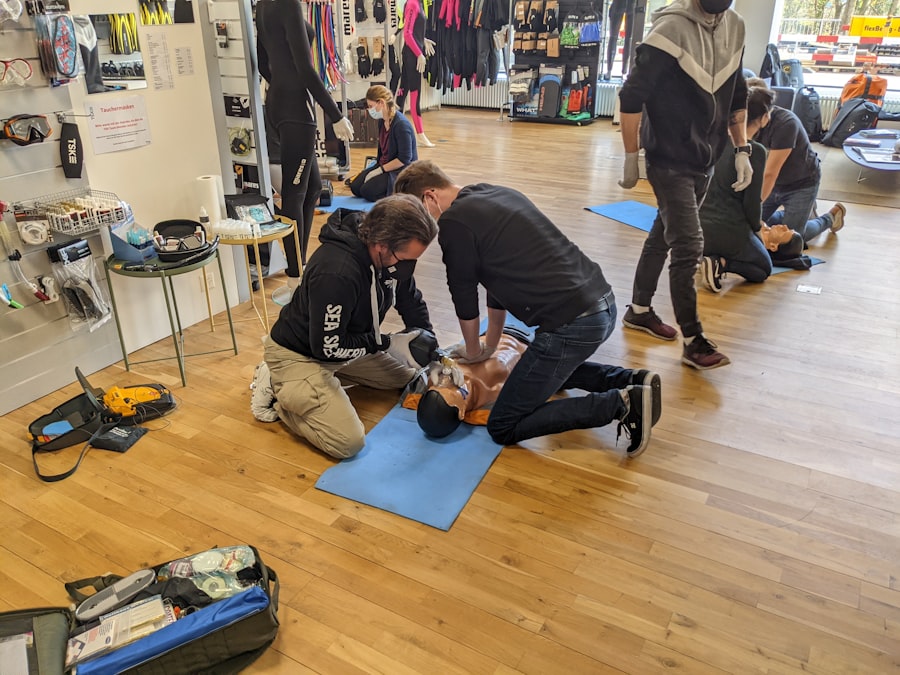
While having a well-stocked Bug Out Bag is an essential step in emergency preparedness, training is equally important to ensure that you can utilize its contents effectively when needed. Familiarize yourself with each item in your bag; know how to use your multi-tool, set up your shelter, purify water, and administer first aid. Consider participating in survival training courses that cover these skills in depth; hands-on experience can significantly boost your confidence and competence in real-life situations.
Additionally, practice scenarios where you might need to evacuate quickly; this will help you understand how long it takes to gather your gear and leave safely. Moreover, involve family members in this training process so everyone knows how to respond during an emergency. Conduct drills that simulate various scenarios—such as natural disasters or civil unrest—to reinforce the importance of preparedness as a collective effort.
Discuss roles and responsibilities within your family unit so that everyone understands their part in an evacuation plan. By integrating training into your emergency preparedness strategy, you not only enhance individual skills but also foster teamwork and communication among loved ones during high-stress situations.
Maintaining and Updating Your Bug Out Bag
A Bug Out Bag is not a one-time investment; it requires regular maintenance and updates to ensure its effectiveness over time. Begin by checking the expiration dates on food items and medications at least once every six months. Replace any expired items promptly to avoid relying on outdated supplies during an emergency.
Additionally, inspect all gear for wear and tear; zippers can break, straps can fray, and batteries can die if left unchecked. Keeping your Bug Out Bag in optimal condition ensures that it will perform as expected when you need it most. Updating your Bug Out Bag should also reflect changes in your lifestyle or environment.
As seasons change, consider swapping out summer clothing for warmer layers in winter months or adding seasonal gear like snowshoes or insect repellent based on local conditions. If you acquire new skills or gear—such as learning how to start a fire without matches—incorporate those into your bag as well. Regularly revisiting your Bug Out Bag not only keeps it functional but also reinforces the mindset of preparedness that is vital in today’s uncertain world.
The Importance of Being Prepared for Anything
In conclusion, the significance of being prepared for emergencies cannot be overstated in our ever-changing world. A well-assembled Bug Out Bag serves as a crucial tool for ensuring personal safety during unforeseen events that may require immediate evacuation. By understanding what items are essential for survival, selecting the right bag for your needs, organizing effectively, engaging in training exercises, and maintaining your gear regularly, you cultivate a proactive approach to emergency preparedness that empowers you in times of crisis.
Ultimately, preparedness is about more than just having supplies on hand; it’s about fostering resilience and confidence in yourself and those around you. The act of preparing encourages individuals to think critically about their circumstances while instilling a sense of responsibility towards their own safety and well-being. As we navigate an increasingly unpredictable world filled with potential threats—both natural and man-made—the importance of being prepared for anything becomes not just a personal endeavor but a collective necessity for communities everywhere.
When planning your emergency preparedness strategy, having a well-equipped bug out bag is essential. For those looking to create or refine their own bug out bag, I recommend reading an insightful article on Survival Leader. This resource provides valuable tips and essential items that should be included in your bag to ensure you’re prepared for any unexpected situation. Whether you’re a seasoned prepper or just starting out, this article offers practical advice to help you build a bug out bag that meets all your survival needs.
FAQs
What is a bug out bag?
A bug out bag is a portable kit that contains essential items to help you survive for at least 72 hours during an emergency situation, such as natural disasters or evacuation.
What should be included in a good bug out bag?
A good bug out bag should include items such as water, non-perishable food, first aid supplies, a multi-tool, flashlight, extra clothing, a map, and important documents. It should also be customized based on individual needs and the specific emergency situation.
How heavy should a bug out bag be?
A bug out bag should ideally be lightweight and easy to carry, weighing around 10-20% of your body weight. It’s important to prioritize essential items and avoid overpacking to keep the bag manageable.
How often should a bug out bag be updated?
It is recommended to review and update the contents of a bug out bag at least once a year to ensure that items are not expired, damaged, or no longer suitable for the current needs and situation.
Where should a bug out bag be stored?
A bug out bag should be stored in an easily accessible location, such as near an exit or in a designated emergency preparedness area. It should be kept in a durable and waterproof container to protect the contents from damage.