Why Bother with a Kit? My Own Anxieties and the Shifting Advice
Honestly, I used to roll my eyes a bit at the whole “doomsday prep” thing. It felt a little dramatic, like something out of a bad movie. But then I saw what a simple power outage could do to a whole neighborhood, or heard about a local water main breaking for days. Suddenly, the idea of being caught unprepared didn’t seem so far-fetched. It just felt… prudent. And lately, it feels even more so. Governments and even the news are talking about it more, refreshing all their public advice. They’re not just whispering about natural disasters anymore; they’re talking about technical outages, big disruptions – things that can really throw a wrench in daily life.
The biggest shift I’ve noticed, and it’s something I’m really taking to heart, is that the old 72-hour rule feels, well, a little light now. Most of the advice I’m seeing pushes for longer stockpiles. In the UK and EU, they’re often suggesting three days, which is a start, but in the US, I’m seeing seven to fourteen days cited more and more. That’s a significant jump, and it makes sense. A storm might pass in three days, but what if the infrastructure damage takes longer to fix? Or what if there’s a widespread power grid issue? Suddenly, three days feels like just dipping your toes in the water. So, when I think about my own kit, I’m aiming for at least a week, and ideally, closer to two. It’s not about fear-mongering; it’s about giving myself, and anyone I might be responsible for, a fighting chance to be comfortable and safe until things get back to normal, whatever “normal” ends up looking like.
When preparing for potential disasters, having a doomsday emergency kit is essential for ensuring your safety and survival. To further enhance your preparedness, you might find it helpful to read the article on earthquake survival tips, which provides valuable insights on how to stay safe during seismic events. You can check it out here: Shake It Off: Tips for Surviving Earthquakes. This resource can help you understand the specific items to include in your emergency kit tailored for earthquake scenarios.
The Absolute Essentials: What I’m Stocking First
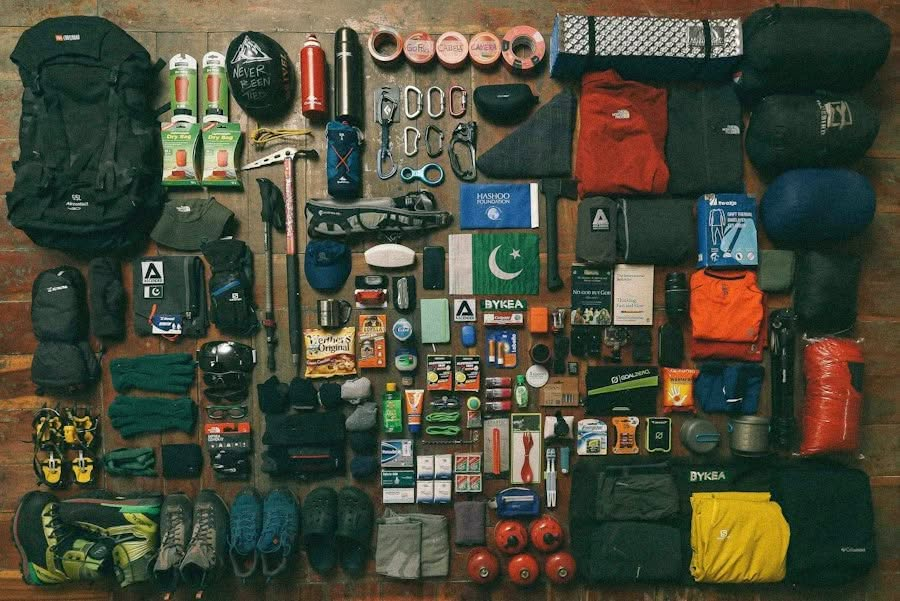
When I started thinking about putting a kit together, it felt overwhelming. Like, where do you even begin? But actually, the core items are pretty consistent across all the advice I’ve seen. It’s about covering the most basic human needs: water, food, staying healthy, seeing in the dark, and keeping a lifeline to information. Everything else builds on that foundation. I try to think of it like this: if I had absolutely nothing else, what would I need to survive for a few days without any outside help? That simplifies things dramatically.
Water: More Than Just a Sip
This is probably the most critical thing on my list, and it’s where the “more is better” philosophy really kicks in. I used to think a couple of bottles of water would be fine, but then I did the math. The common minimum is three days’ worth, which is good. But the US guidance I’m reading suggests about a gallon per person per day. If there are two of us in my household, for a week, that’s 14 gallons. That’s a lot of water. The UK advice says three liters per person per day, which is slightly less but still adds up.
I’ve learned that water isn’t just for drinking. You need it for basic hygiene, maybe for rehydrating freeze-dried food, and if you have pets, they need it too. So, my personal goal is to have at least a week’s supply stored, probably more. I keep several large bottles of purified water in a cool, dark place. I also have a water filter, just a simple portable one, and some water purification tablets as a backup. I figure if I run out of my stored supply, having a way to make questionable water safe is a game-changer. It gives me a bit of peace of mind knowing I have multiple options.
Food: Easy and Long-Lasting
Next up is food, and this is where it’s easy to get carried away or, conversely, to not pack enough. The key for me is “nonperishable” and “ready-to-eat.” I don’t want to rely on cooking if the power is out or if I don’t have access to clean water for rehydrating. Think things that don’t need refrigeration, don’t need cooking, and don’t need a lot of water to prepare.
I’m increasingly following the experts who advise seven to fourteen days of food. For my own kit, I’m thinking about things like energy bars, nuts, dried fruit, crackers, canned tuna or chicken with pop-tops, and maybe some MRE-style meals. I actually tried a few of those MREs once, and while they won’t win any culinary awards, they’re surprisingly filling and designed for this exact purpose. I also make sure to check the expiration dates regularly and rotate my stock. It’s easy to just throw things in a box and forget about them, but nobody wants to open a can of mystery meat from 2008 in an emergency.
Staying Connected and Healthy
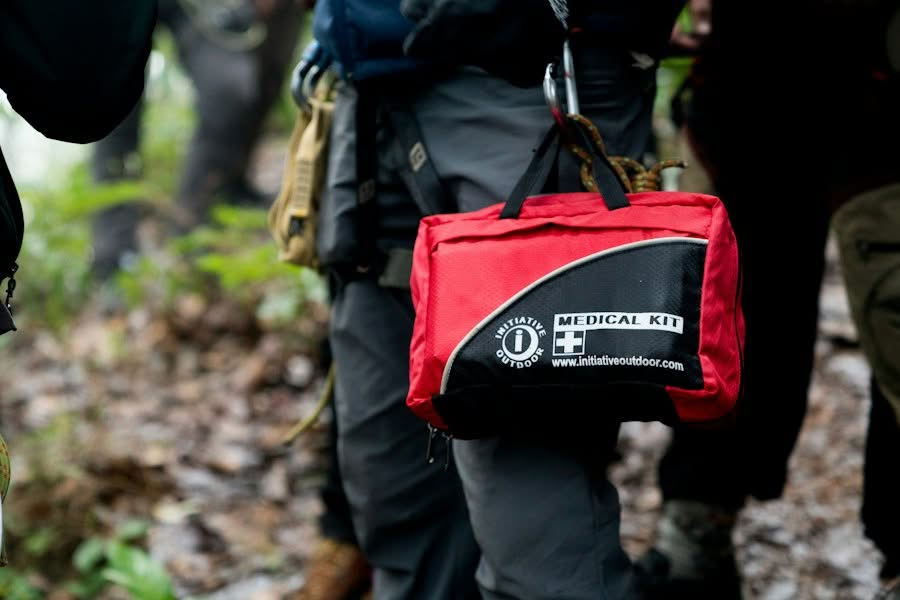
Beyond the absolute basics of food and water, I think about how I’d stay informed, keep my spirits up a little, and most importantly, stay healthy. It’s easy to overlook things like a simple cut or a recurring prescription when you’re just thinking about big, scary emergencies. But those small things can become big problems quickly if you’re not prepared.
Light and Power: A Lifeline in the Dark
When the lights go out, everything feels different. I remember a particularly bad blackout once; it was amazing how quickly the silence and darkness became unsettling. That’s why reliable light and power are crucial. I’ve got a good, sturdy flashlight (or torch, depending on where you’re from) and a ton of spare batteries. I make sure they’re the right size and that I actually have enough of them. I even keep a small headlamp in my kit – hands-free light is incredibly useful if you need to do something in the dark.
A battery-powered or wind-up radio is also on my list. If the internet or cell towers are down, a radio might be the only way to get updates and emergency broadcasts. It feels a bit old-school, but sometimes old-school is exactly what you need. And portable power banks are a must-have for charging phones or other small electronics. I’ve got a couple of these, fully charged, and I try to remember to cycle them every few months so the charge doesn’t just drain away. It’s a small thing, but being able to send a text or check a map could make a huge difference.
Health and First Aid: Be Your Own Doctor (Sort Of)
This section is non-negotiable for me. A basic first aid kit is essential, and I’m not talking about a couple of band-aids. Mine has antiseptic wipes, various sizes of bandages, gauze, medical tape, pain relievers, and allergy medicine. I also include a thermometer, because knowing if someone has a fever is pretty important, and oral rehydration salts, which can be life-savers if someone gets dehydrated or sick.
Crucially, I also include any essential medication for myself and my family, plus copies of prescriptions. If a pharmacy isn’t open or accessible, having that information could help a doctor elsewhere or even just serve as a reminder of what you need. I try to keep a two-week supply of my regular meds in the kit, rotated periodically, of course. It’s one of those things you hope you never need, but you’d be absolutely lost without it if you do.
Beyond the Basics: Comfort, Cleanliness, and Connectivity
Once the absolute necessities are covered, I start thinking about the things that make an emergency less miserable. Being clean, staying warm, and having important information at hand can significantly reduce stress and improve overall well-being during a difficult time. These aren’t strictly “survival” items, but they make survival much more tolerable.
Hygiene and Sanitation: Keeping it Clean
Even in an emergency, basic hygiene is important. It helps prevent illness and just makes you feel more human. My kit includes hand sanitizer, wet wipes (these are incredibly versatile for everything from cleaning hands to wiping surfaces), and soap. I also make sure to have personal hygiene products for everyone in the household, because those small comforts can make a big difference. I pack a small towel, too. These things seem minor, but if you’re without running water for days, they become incredibly valuable. I don’t want to be dealing with preventable infections on top of everything else.
Important Paperwork and Cash: Don’t Get Caught Flat-Footed
This is something I often forget about until I specifically sit down to review my kit. Digital records are great, until the power or internet goes out. That’s why I keep physical copies of important documents in a waterproof bag. This includes things like IDs, insurance policies, birth certificates, and any other crucial papers. I also have paper copies of key phone numbers – family, friends, doctors, emergency services. If my phone dies or the network is down, I can’t just pull up a contact.
And cash. Definitely cash. ATMs won’t work without power, and card readers will be useless. Small denominations are best. I don’t keep a fortune, but enough to buy gas, some food, or whatever necessities I might need if electronic payments are impossible. It’s like having a secret stash for when the world goes analog.
Useful Extras: Small Things, Big Impact
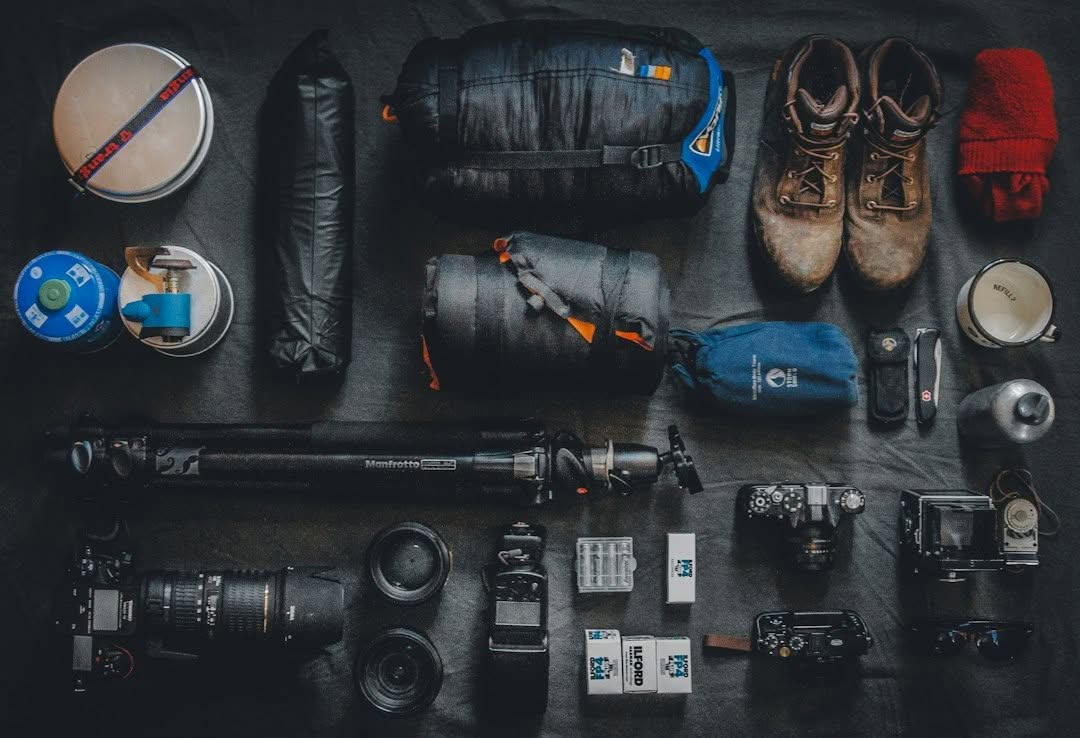
Finally, I think about the little things that might not be immediately obvious but could be super helpful. A manual tin opener is a must-have if you’re relying on canned food. Spare keys for my house and car are in there, just in case. Warm clothing or an emergency blanket can prevent hypothermia, even indoors if the heat is out. And I’ve got a “go bag” packed and ready. This isn’t my big emergency kit, but a smaller bag with enough essentials for 24-48 hours, something I can grab in a hurry if I need to evacuate quickly. It has some water, snacks, a first aid kit, basic meds, and a small flashlight.
It really does feel like a bit of a project to get all this together, but every time I add something to my kit, or rotate old stock, I feel a little bit more prepared. It’s not about being afraid; it’s about being ready. And honestly, with all the news about disruptions and emergency planning lately, it feels like a really smart thing to do.
When preparing for potential emergencies, having a well-stocked doomsday emergency kit is essential for ensuring your safety and survival. For those looking to enhance their preparedness, a related article on survival training can provide valuable insights and tips. You can explore various strategies and essential items to include in your kit by visiting this informative resource on survival training. Being proactive in your planning can make all the difference when facing unexpected situations.
References
| Item | Quantity | Purpose | Recommended Duration | Notes |
|---|---|---|---|---|
| Water | 1 gallon per person per day | Hydration | 3 days minimum | Include water purification tablets or filters |
| Non-perishable Food | 3-day supply | Nutrition | 3 days minimum | Include canned goods, energy bars, dried fruits |
| First Aid Kit | 1 kit | Medical emergencies | As needed | Include bandages, antiseptics, pain relievers |
| Flashlight | 1 per person | Lighting | As needed | Include extra batteries |
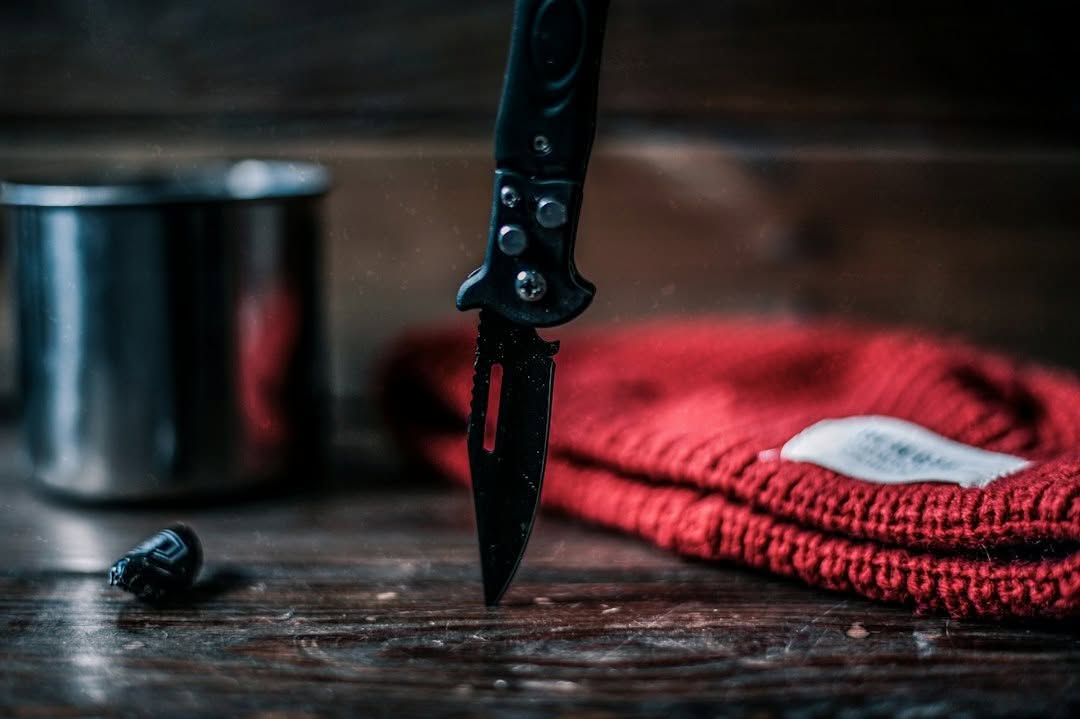
| Multi-tool | 1 per kit | Various uses | As needed | Include knife, pliers, screwdriver |
| Emergency Blanket | 1 per person | Warmth | As needed | Compact and lightweight |
| Radio (Battery-powered or Hand Crank) | 1 per kit | Communication and information | As needed | Include extra batteries |
| Personal Hygiene Items | Varies | Sanitation | 3 days minimum | Include soap, toothbrush, feminine products |
| Whistle | 1 per person | Signaling for help | As needed | Compact and easy to carry |
| Dust Mask | 1 per person | Air filtration | As needed | Protects from dust and debris |
[1] Centers for Disease Control and Prevention. (2022). Food and Water in an Emergency.
[2] European Commission. (2023). Be Prepared: What to do in an emergency.
[3] Federal Emergency Management Agency. (2024). Make a Plan: Emergency Food and Water.
[4] GOV.UK. (2023). Prepare for emergencies.
[5] KGW8. (2023). Oregon updates its emergency preparedness recommendations.
[6] The Church of Jesus Christ of Latter-day Saints. (n.d.). Emergency Preparedness: Water Storage.
[7] The American Red Cross. (2024). Emergency Preparedness Checklist.
[8] U.S. Department of Homeland Security. (n.d.). Ready.gov: Water.
[9] U.S. Environmental Protection Agency. (2022). Emergency Disinfection of Drinking Water.
[10] U.S. Department of Health & Human Services. (2023). Emergency Preparedness and Response: Personal Preparedness.
[11] The Guardian. (2023). UK government to launch new campaign urging public to prepare for emergencies.
[12] World Health Organization. (2006). Oral Rehydration Salts: Production of the new ORS.
[13] The New York Times. (2023). What to Do in an Emergency: The Bare Necessities.
[14] National Weather Service. (2024). Build A Kit.
[15] National Institutes of Health. (n.d.). Emergency Preparedness: Medicines.
[16] BBC News. (2023). Emergency kit: What should you have ready for a UK crisis?.
[17] Department of Homeland Security. (n.d.). Ready.gov: Basic Disaster Supplies Kit.
[18] Department of Homeland Security. (n.d.). Ready.gov: Emergency Supply List.
[19] The American Medical Association. (n.d.). Disaster Preparedness Checklist.
[20] Centers for Disease Control and Prevention. (2024). Emergency Water Storage and Options.
FAQs
What items should be included in a doomsday emergency kit?
A doomsday emergency kit should include essential items such as non-perishable food, water (at least one gallon per person per day), a first aid kit, flashlights with extra batteries, a multi-tool or knife, a whistle for signaling, personal hygiene items, a portable phone charger, and important documents. Additionally, consider including a radio for emergency broadcasts, warm clothing, blankets, and any necessary medications.
How long should a doomsday emergency kit be prepared for?
Your doomsday emergency kit should ideally be prepared to sustain you and your family for at least 72 hours, but it is recommended to have supplies that can last for up to two weeks. This ensures that you have enough resources in case of extended emergencies or disruptions in supply chains.
Where should I store my doomsday emergency kit?
Your doomsday emergency kit should be stored in a cool, dry place that is easily accessible. Common locations include a closet, basement, or garage. It’s important to ensure that the kit is in a waterproof container to protect the contents from moisture and damage.
How often should I check and update my doomsday emergency kit?
You should check and update your doomsday emergency kit at least twice a year. This includes checking expiration dates on food and medications, replacing any used items, and ensuring that all equipment (like flashlights and radios) is in working order. Seasonal changes may also necessitate updates to clothing and supplies.
Is it necessary to customize my doomsday emergency kit?
Yes, customizing your doomsday emergency kit is important to meet the specific needs of your household. Consider factors such as the number of family members, any special medical needs, pets, and the local environment. Tailoring your kit ensures that everyone has the necessary supplies to stay safe and comfortable during an emergency.