
In an unpredictable world, the significance of being prepared cannot be overstated. Whether you are an avid adventurer, a casual hiker, or someone who simply enjoys the great outdoors, having a well-thought-out plan can mean the difference between a minor inconvenience and a life-threatening situation. Preparation is not merely about having the right equipment; it encompasses a mindset that prioritizes safety and foresight.
By anticipating potential challenges and equipping yourself with the necessary skills and knowledge, you can navigate unforeseen circumstances with confidence. This proactive approach fosters resilience, allowing individuals to respond effectively to emergencies, whether they arise from natural disasters, accidents, or unexpected encounters with wildlife. Moreover, being prepared extends beyond personal safety; it also encompasses the well-being of those around you.
In group settings, such as family outings or community events, your preparedness can serve as a stabilizing force. When everyone is equipped with the right tools and knowledge, the collective ability to handle crises improves significantly. This shared responsibility not only enhances group dynamics but also cultivates a culture of safety and awareness.
Ultimately, preparation is an investment in peace of mind, enabling you to enjoy your adventures while minimizing risks. It empowers you to embrace the unknown with a sense of security, knowing that you have taken the necessary steps to protect yourself and others.
Key Takeaways
- Being prepared is crucial for survival in emergency situations
- Choose the right gear for your survival kit based on your specific needs and environment
- Shelter and warmth are important for survival in extreme conditions
- Ensure you have enough water and food to sustain yourself in an emergency
- Navigation and communication tools are important for staying connected and finding help in emergencies
Choosing the Right Gear for Your Kit
Selecting the appropriate gear for your survival kit is a critical step in ensuring your readiness for any situation. The process begins with assessing your specific needs based on the environment you will be in and the duration of your stay. For instance, if you plan to venture into remote wilderness areas, your kit should include items that cater to both basic survival and potential emergencies.
Essential gear typically includes a reliable multi-tool, a durable flashlight, and a fire-starting kit. Each item should be lightweight yet robust enough to withstand the rigors of outdoor use. Additionally, consider incorporating items that serve multiple purposes; for example, a paracord can be used for securing gear, building shelters, or even as a fishing line in dire situations.
Furthermore, it is crucial to regularly evaluate and update your gear to ensure its functionality and relevance. Over time, advancements in technology may introduce more efficient tools that can enhance your preparedness. For instance, modern water filtration systems are more compact and effective than their predecessors, making them invaluable additions to any survival kit.
Additionally, seasonal changes may necessitate adjustments in your gear; winter excursions require different equipment than summer hikes. By staying informed about new products and trends in outdoor gear, you can optimize your kit for maximum efficiency and effectiveness. Ultimately, the right gear not only enhances your chances of survival but also contributes to a more enjoyable outdoor experience.
Shelter and Warmth: Important Items for Survival
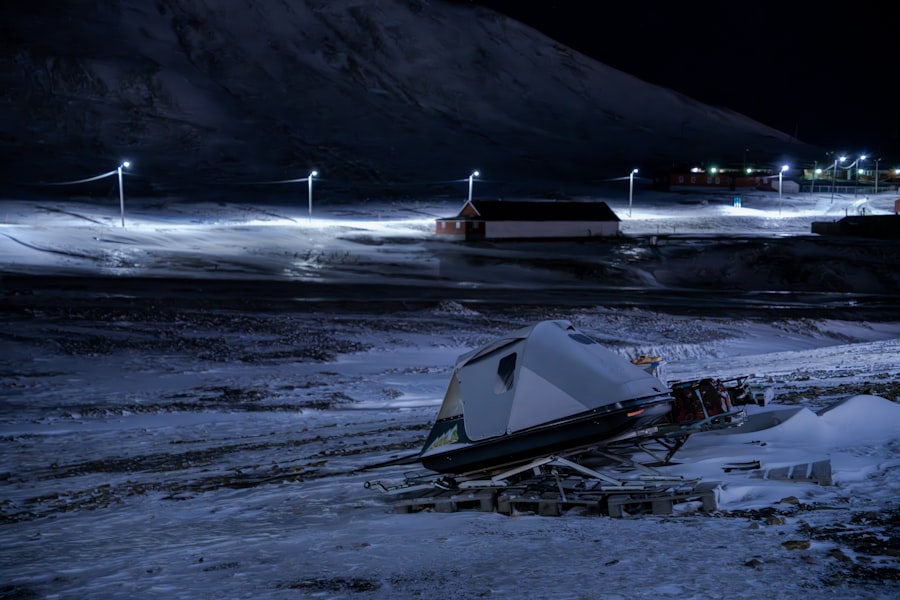
When faced with an emergency situation in the wilderness, having adequate shelter and warmth is paramount for survival. The elements can be unforgiving, and exposure to harsh weather conditions can lead to hypothermia or heat-related illnesses within hours. Therefore, including items that facilitate shelter construction and heat retention in your survival kit is essential.
A compact emergency bivvy bag or a lightweight tarp can provide immediate protection from rain or wind, while an insulated sleeping bag ensures warmth during cold nights. Additionally, thermal blankets are invaluable due to their lightweight nature and ability to reflect body heat back to the user. In addition to physical shelter materials, it is equally important to consider methods for generating heat.
Fire is one of humanity’s oldest survival tools, and having reliable means to start one can be life-saving. Carrying waterproof matches or a flint striker can make all the difference when trying to ignite kindling in damp conditions. Furthermore, understanding how to build a fire safely and effectively is a skill that should not be overlooked; it not only provides warmth but also serves as a signal for rescue.
By prioritizing shelter and warmth in your survival preparations, you equip yourself with the foundational elements necessary for enduring adverse conditions while awaiting rescue or finding your way back to safety.
Water and Food: How to Ensure You Have Enough
| Metrics | Water | Food |
|---|---|---|
| Recommended daily intake | 8 glasses (2 liters) | Varies by age and gender |
| Storage | Store in clean, airtight containers | Store in cool, dry place |
| Sources | Tap water, bottled water, fruits, vegetables | Grains, legumes, fruits, vegetables, protein sources |
| Emergency supply | Have at least 3-day supply | Have non-perishable items for at least 3 days |
Water and food are fundamental components of survival that require careful planning and consideration. The human body can only survive for a few days without water, making it imperative to have reliable sources readily available during outdoor excursions. When preparing your survival kit, include portable water filtration systems or purification tablets that allow you to convert potentially unsafe water sources into drinkable water.
Additionally, carrying collapsible water containers can facilitate easy transport of water when you find a safe source. It’s also wise to familiarize yourself with local water sources before embarking on your journey; knowing where streams or lakes are located can save precious time in an emergency. Food is another critical aspect of survival that often gets overlooked in preparation efforts.
While humans can survive longer without food than without water, having adequate nutrition is essential for maintaining energy levels and cognitive function during stressful situations. Non-perishable food items such as energy bars, dehydrated meals, or trail mix should be included in your kit for easy access when hunger strikes. Moreover, learning basic foraging skills can enhance your ability to find food in the wild; understanding which plants are safe to eat can provide additional sustenance when supplies run low.
By ensuring you have enough water and food in your survival kit, you bolster your chances of enduring challenging circumstances while maintaining physical strength and mental clarity.
Navigation and Communication: Staying Connected in an Emergency
In an age where technology plays an integral role in our daily lives, navigation and communication tools are essential components of any survival kit. A reliable map and compass should always be included; these traditional tools do not rely on batteries or signal strength and can guide you through unfamiliar terrain when electronic devices fail. Familiarizing yourself with basic navigation skills is equally important; understanding how to read topographic maps and use a compass effectively can help you maintain your bearings even in dense forests or mountainous regions.
Additionally, consider carrying a GPS device as a supplementary tool; while it may not be foolproof due to battery limitations or lack of signal in remote areas, it can provide valuable information when operational. Communication is another vital aspect of staying connected during emergencies. In situations where cell service may be unreliable or nonexistent, having alternative means of communication can be lifesaving.
A whistle is an excellent addition to your kit; its sound carries much farther than the human voice and can alert rescuers to your location without exhausting yourself. Furthermore, consider investing in a satellite phone or personal locator beacon (PLB) for more serious expeditions; these devices allow you to send distress signals even when traditional communication methods fail. By prioritizing navigation and communication tools in your survival preparations, you enhance your ability to find your way back home while ensuring that help can reach you when needed.
First Aid and Medical Supplies: Taking Care of Injuries

In any outdoor adventure, injuries can occur unexpectedly, making first aid supplies an indispensable part of your survival kit. A well-stocked first aid kit should include essential items such as adhesive bandages, antiseptic wipes, gauze pads, and medical tape to address minor cuts and scrapes effectively. Additionally, consider including items like tweezers for removing splinters or ticks and scissors for cutting bandages or clothing if necessary.
It’s also wise to carry pain relief medication such as ibuprofen or acetaminophen; these can alleviate discomfort from injuries or ailments that may arise during your outing. Beyond basic supplies, it’s crucial to have knowledge of first aid techniques that can be applied in emergencies. Familiarizing yourself with CPR procedures or how to treat common injuries like sprains or fractures can significantly improve outcomes in critical situations.
Many organizations offer first aid courses that provide hands-on training; investing time in these classes equips you with the skills needed to respond effectively when accidents happen. Furthermore, consider including specialized items based on personal medical needs; if you have allergies or chronic conditions requiring medication, ensure these are part of your kit as well. By prioritizing first aid supplies and knowledge in your preparations, you empower yourself to take control of medical emergencies while minimizing risks associated with outdoor activities.
Additional Tools and Supplies: What Else You Need to Stay Safe
While the core components of a survival kit focus on shelter, food, water, navigation, communication, and medical supplies, there are additional tools and supplies that can enhance your safety during outdoor adventures. A sturdy multi-tool is invaluable; it combines various functions into one compact device—allowing you to cut rope, open cans, or make repairs without carrying multiple items. Similarly, duct tape is often hailed as a “fix-all” solution; its versatility allows for quick repairs on gear or even temporary splints for injuries until proper medical attention can be sought.
Moreover, consider including items that cater specifically to the environment you will be exploring. For instance, if hiking in bear country, bear spray should be part of your kit as a deterrent against wildlife encounters. A headlamp is another practical addition; it provides hands-free illumination when navigating at night or during low-light conditions while conserving battery life compared to traditional flashlights.
Additionally, packing extra batteries for electronic devices ensures that you remain powered up when it matters most. By thoughtfully considering additional tools and supplies tailored to your specific needs and environment, you create a comprehensive survival kit that enhances your overall preparedness—allowing you to face challenges with confidence while enjoying the beauty of nature safely.
If you’re looking to enhance your preparedness for any emergency, consider exploring the comprehensive guide on survival gear kits available at Survival Leader. This guide offers detailed insights and recommendations on essential items to include in your survival kit, ensuring you’re well-equipped for any unforeseen circumstances. For more information, check out the article directly at Survival Leader. Whether you’re a seasoned adventurer or a beginner in emergency preparedness, this resource is invaluable for building a reliable survival gear kit.
FAQs
What is a survival gear kit?
A survival gear kit is a collection of essential items and tools designed to help individuals survive in emergency situations, such as natural disasters, outdoor adventures, or other unforeseen circumstances.
What items are typically included in a survival gear kit?
Common items found in a survival gear kit may include a first aid kit, water purification tablets, emergency food rations, a multi-tool, flashlight, fire starter, emergency blanket, whistle, compass, and a signaling mirror.
Why is it important to have a survival gear kit?
Having a survival gear kit is important because it can provide individuals with the necessary tools and supplies to help them survive and stay safe during unexpected emergencies or situations where access to basic necessities is limited.
Where can I purchase a survival gear kit?
Survival gear kits can be purchased from outdoor and camping stores, as well as online retailers that specialize in emergency preparedness and survival gear. It is important to choose a kit that suits your specific needs and the potential emergencies you may encounter.
How should I maintain and update my survival gear kit?
It is important to regularly check and update your survival gear kit to ensure that all items are in good working condition and have not expired. This may involve replacing expired food and water supplies, checking the functionality of tools, and adding or removing items based on your specific needs and changing circumstances.