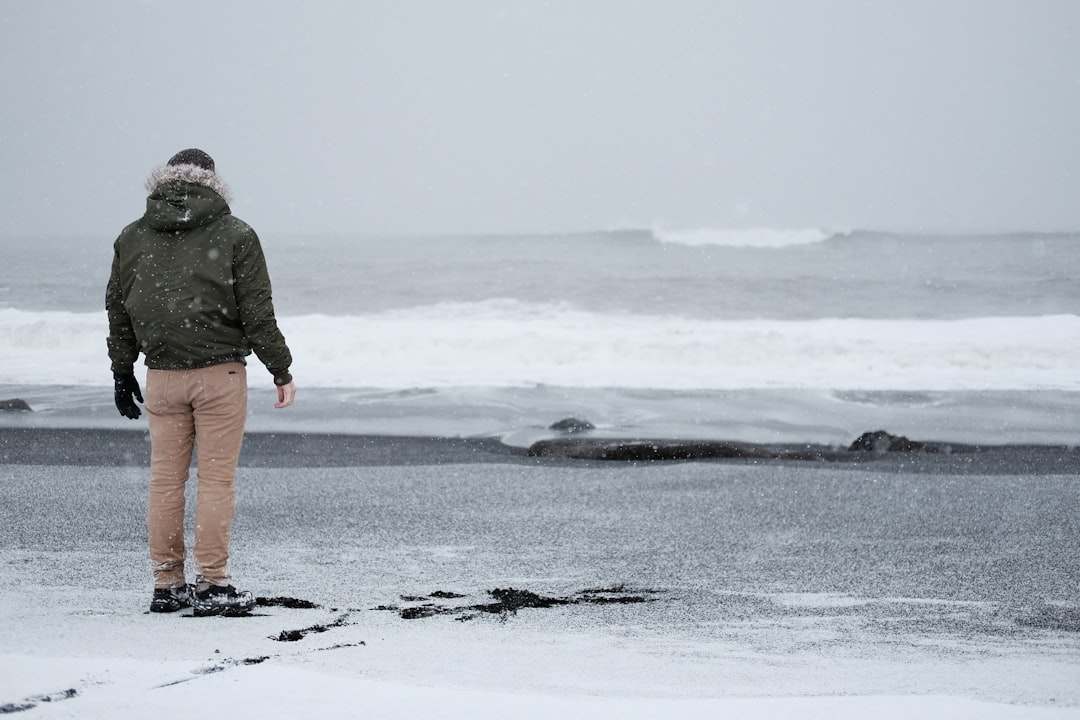

Winter storms can be unpredictable and dangerous, making it essential to be prepared. From stocking up on supplies to staying warm and safe, there are several steps you can take to ensure your safety and well-being during the winter months. In this blog post, we will cover a range of topics related to preparing for winter storms, including stocking up on supplies, dressing for the cold, clearing snow, keeping your home safe, driving in the snow, coping with power outages, winterizing your vehicle, indoor activities for snowy days, snow shoveling safety, and mental health tips for coping with winter stress.
Key Takeaways
- Stock up on supplies before the storm hits
- Dress in warm and safe clothing for cold weather
- Use proper tools and techniques for snow removal
- Prevent winter damage to your home
- Drive safely in snowy conditions
- Prepare for and cope with power outages
- Winterize your vehicle for essential maintenance
- Have fun indoor activities to cope with cabin fever
- Avoid injury while shoveling snow
- Take care of your mental health during winter stress.
Preparing for the Storm: Stocking Up on Supplies
Before a winter storm hits, it is crucial to stock up on essential supplies. This includes having enough food, water, and medication to last for several days in case you are unable to leave your home. Non-perishable food items such as canned goods and dry goods are ideal for emergencies. It is also important to have a supply of bottled water or a way to purify water if necessary.
In addition to food and water, it is essential to have a backup power source in case of a power outage. This can be a generator or an alternative source of power such as solar panels or a battery-powered generator. Having a backup power source will ensure that you can still heat your home and keep essential appliances running during an outage.
Staying Warm and Safe: Dressing for the Cold
When venturing outside during the winter months, it is crucial to dress appropriately to stay warm and safe. Layering clothing is key to trapping heat and insulating your body. Start with a base layer made of moisture-wicking material to keep sweat away from your skin. Add a middle layer made of fleece or wool for insulation, and finish with an outer layer that is waterproof and windproof.
In addition to layering clothing, it is important to wear warm socks, gloves, and hats. These accessories will help to keep your extremities warm and prevent frostbite. It is also important to wear proper footwear that provides traction on slippery surfaces.
Clearing Snow: Tools and Techniques for Snow Removal
| Tools and Techniques for Snow Removal | Description |
|---|---|
| Snow Shovel | A hand-held tool used to manually remove snow from driveways, sidewalks, and other small areas. |
| Snow Blower | A machine that uses an auger to scoop up snow and a fan to blow it out of a chute, making it easier to clear large areas. |
| Salt or Ice Melt | A chemical compound used to melt ice and snow on surfaces, making it easier to remove. |
| Plow Truck | A vehicle equipped with a plow blade used to clear snow from roads, parking lots, and other large areas. |
| Snow Fence | A barrier used to trap snow and prevent it from drifting onto roads and other areas. |
| De-Icing Spray | A liquid spray used to melt ice and snow on surfaces, making it easier to remove. |
| Snow Removal Cost | The amount of money spent on snow removal services or equipment. |
| Snow Removal Time | The amount of time it takes to clear snow from a specific area using a particular tool or technique. |
Clearing snow from walkways and driveways is essential for safety during the winter months. To effectively remove snow, it is important to have the right tools on hand. This includes a snow shovel or snow blower, ice melt or sand for traction, and a roof rake for removing snow from the roof.
When shoveling snow, it is important to use proper technique to avoid injury. Bend your knees and lift with your legs, rather than your back. Take frequent breaks and stay hydrated to prevent overexertion. It is also important to clear snow as soon as possible after a storm to prevent it from becoming compacted and more difficult to remove.
Keeping Your Home Safe: Preventing Winter Damage
Winter storms can cause damage to your home if not properly prepared. One of the most important steps you can take is insulating pipes and windows. Insulating pipes will prevent them from freezing and potentially bursting, causing water damage. Insulating windows will help to keep cold air out and warm air in, reducing heating costs.
Another important safety measure is having a working carbon monoxide detector in your home. Carbon monoxide is a colorless, odorless gas that can be deadly if not detected. It is produced by fuel-burning appliances such as furnaces, water heaters, and generators. A carbon monoxide detector will alert you if levels of this gas become dangerous.
Ice dams are another common winter problem that can cause damage to your home. An ice dam forms when snow on the roof melts and refreezes at the edge of the roof, preventing water from draining properly. This can lead to water damage inside your home. To prevent ice dams, it is important to keep your attic well-insulated and ventilated.
Driving in the Snow: Tips for Safe Winter Travel

Driving in snowy conditions can be challenging and dangerous. To ensure safe winter travel, it is important to have winter tires on your vehicle. Winter tires provide better traction on snow and ice, reducing the risk of accidents.
In addition to winter tires, it is important to have a winter emergency kit in your car. This should include items such as a shovel, ice scraper, jumper cables, blankets, and non-perishable food and water. It is also important to keep your gas tank at least half full at all times during the winter months.
When driving in snowy conditions, it is important to adjust your driving technique. Reduce your speed and increase your following distance to allow for longer stopping distances. Avoid sudden movements such as braking or accelerating quickly, as this can cause your vehicle to skid.
Power Outages: Preparing for and Coping with Electrical Blackouts
Power outages are common during winter storms, so it is important to be prepared. Essential supplies to have on hand during a power outage include flashlights, batteries, candles, matches, and a battery-powered radio. It is also important to have a supply of non-perishable food and bottled water.
Having a backup power source such as a generator or alternative power source is crucial during a power outage. This will allow you to keep essential appliances running and heat your home. It is important to follow safety guidelines when using a generator, such as keeping it outside and away from windows and vents.
In case of a prolonged power outage, it is important to have a plan in place. This includes knowing where emergency shelters are located in your area and having a way to communicate with family members or neighbors. It is also important to have a supply of medications and other essential items on hand.
Winterizing Your Vehicle: Essential Maintenance Tips
Regular maintenance of your vehicle is important year-round, but especially during the winter months. One of the most important steps you can take is to ensure that your vehicle has the proper amount of antifreeze. Antifreeze prevents the engine from freezing and causing damage.
Another essential maintenance tip is to check and refill windshield wiper fluid regularly. This will ensure that you have clear visibility while driving in snowy conditions. It is also important to check your windshield wipers for wear and replace them if necessary.
A dead battery is a common problem during the winter months. To prevent this, it is important to keep your battery clean and free of corrosion. It is also a good idea to have your battery tested before winter to ensure that it is in good condition.
Coping with Cabin Fever: Fun Indoor Activities for Snowy Days
During a snowstorm, it is important to find ways to stay entertained and active indoors. There are many fun indoor activities you can do, such as board games, puzzles, reading, cooking, or watching movies. It is also a good time to catch up on hobbies or start a new project.
Staying active and social during the winter months is important for mental health. Consider joining a gym or fitness class, or finding an indoor sport or activity that you enjoy. It is also important to stay connected with friends and family through phone calls, video chats, or social media.
Self-care is crucial during the winter months when it can be easy to feel down or isolated. Take time for yourself to relax and recharge. This can include activities such as taking a bath, practicing mindfulness or meditation, or indulging in a favorite hobby.
Snow Shoveling Safety: Avoiding Injury While Clearing Snow
While clearing snow from walkways and driveways is necessary, it is important to prioritize safety to avoid injury. One of the most important aspects of snow shoveling safety is using proper technique. Bend your knees and lift with your legs, rather than your back, to avoid strain or injury.
It is also important to take frequent breaks and stay hydrated while shoveling snow. Overexertion can lead to exhaustion or even heart attacks, so it is important to listen to your body and rest when needed. Drink plenty of water to stay hydrated and prevent dehydration.
Snow shoveling can be physically demanding, so it is important to warm up before starting and stretch afterward. This will help to prevent muscle strains or other injuries. It is also a good idea to wear proper footwear with good traction to prevent slips and falls.
Surviving the Snowpocalypse: Mental Health Tips for Coping with Winter Stress
Winter can be a challenging time for mental health, so it is important to prioritize self-care and stress management techniques. One of the most important aspects of mental health during the winter months is recognizing the signs of seasonal affective disorder (SAD). SAD is a type of depression that occurs during the winter months due to reduced exposure to sunlight. If you experience symptoms such as low mood, lack of energy, or changes in appetite or sleep patterns, it is important to seek help from a healthcare professional.
In addition to seeking help if needed, there are several self-care techniques that can help improve mental health during the winter months. This includes getting regular exercise, eating a healthy diet, getting enough sleep, and practicing stress management techniques such as deep breathing or meditation. It is also important to stay connected with loved ones and engage in activities that bring you joy.
If you are struggling with winter stress or mental health issues, it is important to reach out for support. This can include talking to a trusted friend or family member, seeking therapy or counseling, or contacting a helpline or support group. Remember that you are not alone and there are resources available to help you.
Preparing for winter storms and staying safe during the winter months is essential. By stocking up on supplies, dressing appropriately for the cold, clearing snow safely, keeping your home protected, driving cautiously, preparing for power outages, winterizing your vehicle, finding indoor activities, shoveling snow safely, and prioritizing mental health, you can ensure a safe and enjoyable winter season. Take the necessary steps to prepare for winter storms and stay safe during the winter months.
Looking for more survival tips for blizzards? Check out this informative article on SurvivalLeader.com. It provides valuable insights and strategies to help you navigate through the harsh winter conditions. From building a snow shelter to finding food and water sources, this article covers it all. Don’t miss out on these essential tips that could potentially save your life during a blizzard. Click here to read the full article and be prepared for any winter emergency.
FAQs
What is a blizzard?
A blizzard is a severe winter storm characterized by strong winds, low temperatures, and heavy snowfall.
What are some common dangers associated with blizzards?
Blizzards can cause power outages, transportation disruptions, and hypothermia. They can also lead to avalanches and frostbite.
What are some essential items to have during a blizzard?
Some essential items to have during a blizzard include a flashlight, extra batteries, a first aid kit, non-perishable food, water, blankets, and warm clothing.
How can I prepare my home for a blizzard?
To prepare your home for a blizzard, you should insulate your windows and doors, stock up on food and water, and have a backup heating source. You should also have a plan for how to stay warm if the power goes out.
What should I do if I get stranded in my car during a blizzard?
If you get stranded in your car during a blizzard, you should stay in your car and wait for help. You should also keep the engine running to stay warm and conserve fuel. It’s important to stay visible by turning on your hazard lights and tying a brightly colored cloth to your antenna.
How can I prevent hypothermia during a blizzard?
To prevent hypothermia during a blizzard, you should wear warm, layered clothing and avoid getting wet. You should also stay dry and avoid sweating by removing layers if you start to feel too warm. It’s important to stay hydrated and eat high-energy foods to keep your body warm.