

Winter can be a beautiful and magical season, but it also comes with its fair share of challenges. From freezing temperatures to icy roads, it’s important to be prepared for whatever winter throws your way. Being properly dressed, knowing how to navigate icy roads, preparing your home for the cold, and taking care of your physical and mental health are all essential aspects of surviving and thriving during the winter months.
Key Takeaways
- Layering is key to staying warm in winter, with breathable fabrics and moisture-wicking materials being important considerations.
- When driving in icy conditions, slow down and increase your following distance, and make sure your car is properly equipped with winter tires and emergency supplies.
- Insulating your home and ensuring your heating system is in good working order can help keep you warm and save on energy costs.
- When participating in winter sports, wear appropriate protective gear and be aware of the signs of concussion and other injuries.
- Signs of hypothermia and frostbite include shivering, numbness, and disorientation, and it’s important to seek medical attention if you experience these symptoms.
- Packing emergency supplies in your car and home can help you stay safe in case of a winter storm or other emergency.
- Exercise can help boost your mood and energy levels in the winter, with indoor activities like yoga and strength training being good options.
- Moisturizing and protecting your skin from the cold and wind can help prevent dryness and irritation.
- Warm, hearty meals like soups and stews can help keep you nourished and satisfied in the winter months.
- Seasonal affective disorder (SAD) is a type of depression that can occur in the winter, and treatment options include light therapy and counseling.
Dressing for Winter: Layering Techniques to Keep You Warm
One of the most effective ways to stay warm in winter is by layering your clothing. Layering allows you to trap heat between each layer, providing insulation and keeping you warm. The key to effective layering is to choose the right materials and garments for each layer.
The first layer, also known as the base layer, should be made of moisture-wicking material such as merino wool or synthetic fabrics. This layer helps to keep your skin dry by wicking away sweat. The second layer should provide insulation and can be a fleece or down jacket. Finally, the outer layer should be windproof and waterproof to protect you from the elements.
Winter Driving Safety: Tips for Navigating Icy Roads
Driving in winter weather can be extremely dangerous if you’re not prepared. Icy roads can cause your vehicle to lose traction, leading to accidents and injuries. To stay safe on the road during winter, it’s important to follow a few key tips.
Firstly, it’s crucial to slow down and leave plenty of space between your vehicle and the one in front of you. This will give you more time to react if you need to brake suddenly. Secondly, avoid sudden movements such as hard braking or accelerating quickly, as this can cause your vehicle to skid. Thirdly, make sure your tires are properly inflated and have good tread depth for better traction on icy roads.
Preparing Your Home for Winter: Insulation and Heating
| Aspect | Metric |
|---|---|
| Insulation | R-value |
| Insulation | Thickness (inches) |
| Insulation | Material type |
| Heating | Efficiency rating |
| Heating | Fuel type |
| Heating | Thermostat settings |
Keeping your home warm and well-insulated is essential during the winter months. Proper insulation helps to keep the cold air out and the warm air in, reducing your heating costs and keeping you comfortable. There are several steps you can take to prepare your home for winter.
Firstly, check for drafts around windows and doors and seal them with weatherstripping or caulk. This will prevent cold air from entering your home. Secondly, make sure your furnace is in good working order by having it serviced before winter arrives. Clean or replace the filters regularly to ensure efficient heating. Lastly, consider using a programmable thermostat to regulate the temperature in your home and save on energy costs.
Winter Sports Safety: Protecting Yourself on the Slopes
Winter sports such as skiing and snowboarding can be exhilarating, but they also come with risks. It’s important to take precautions to protect yourself from injuries while enjoying these activities.
Firstly, always wear a helmet when participating in winter sports. Head injuries can be serious and a helmet can provide crucial protection. Secondly, stay within your skill level and don’t attempt advanced maneuvers or slopes that are beyond your abilities. This will help to prevent accidents and injuries. Lastly, be aware of your surroundings and follow all safety guidelines and instructions provided by the resort or facility.
Avoiding Hypothermia and Frostbite: Signs to Watch For
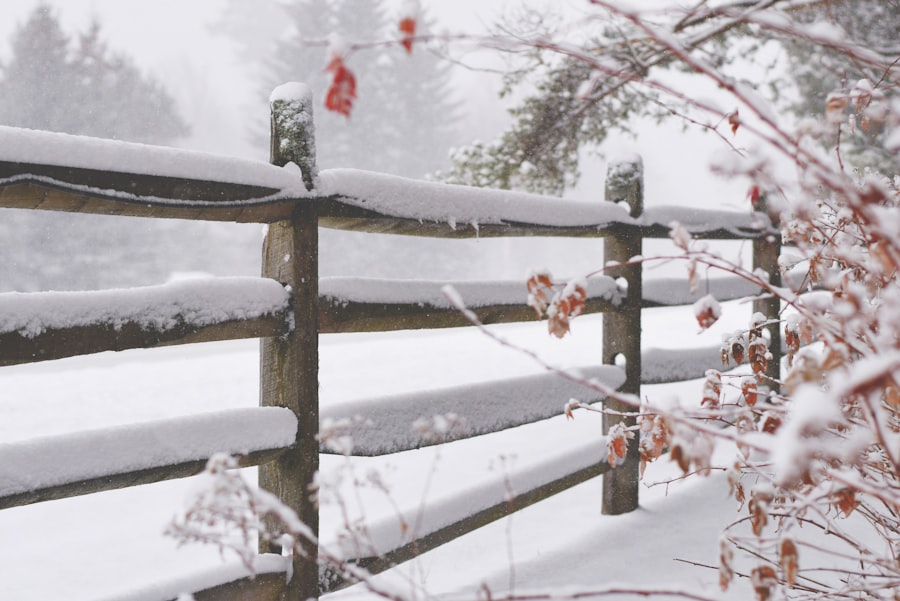
Hypothermia and frostbite are two serious conditions that can occur when exposed to extreme cold temperatures for extended periods of time. Hypothermia occurs when your body loses heat faster than it can produce it, while frostbite is the freezing of skin and underlying tissues.
To avoid hypothermia and frostbite, it’s important to dress appropriately for the weather by wearing warm clothing and layering properly. It’s also crucial to stay dry, as wet clothing can accelerate heat loss from the body. If you notice symptoms such as shivering, confusion, or numbness in your extremities, seek medical attention immediately.
Winter Emergency Preparedness: What to Pack in Your Car and Home
Being prepared for emergencies is important year-round, but it’s especially crucial during the winter months when extreme weather conditions can make it difficult to leave your home. It’s important to have a well-stocked emergency kit both in your car and at home.
In your car, pack items such as blankets, a flashlight, extra batteries, a first aid kit, non-perishable food, water, and a shovel. In your home, make sure you have enough food and water to last for several days in case of a power outage or other emergency. Other items to include in your home emergency kit are a battery-powered radio, extra blankets, a portable phone charger, and any necessary medications.
Staying Active in the Winter: Exercise Tips for Cold Weather
Staying active during the winter months is important for both physical and mental health. Exercise helps to boost your mood, improve cardiovascular health, and maintain a healthy weight. However, exercising in cold weather requires some additional precautions.
Firstly, dress appropriately for the weather by wearing moisture-wicking clothing that will keep you dry. Layering is also important to help regulate your body temperature. Secondly, warm up properly before exercising to prevent injuries. This can include dynamic stretches and light cardio exercises. Lastly, listen to your body and know when it’s time to take a break or stop exercising if you’re feeling too cold or fatigued.
Winter Skin Care: Moisturizing and Protecting Your Skin
The cold weather can wreak havoc on your skin, leaving it dry, itchy, and prone to irritation. To keep your skin healthy and moisturized during the winter months, it’s important to take some extra steps.
Firstly, use a humidifier in your home to add moisture to the air. This will help to prevent your skin from drying out. Secondly, moisturize your skin regularly using a thick, emollient moisturizer. Apply it immediately after showering or bathing to lock in moisture. Lastly, don’t forget to protect your skin from the sun’s harmful rays, even in winter. Apply a broad-spectrum sunscreen with at least SPF 30 to exposed areas of skin.
Cooking and Eating for Winter: Warm and Nutritious Recipes
Eating warm and nutritious foods during the winter months is not only comforting but also important for maintaining good health. Cold weather can increase your body’s energy needs, so it’s important to fuel it with nutrient-dense foods.
Some warm and nutritious recipes to try during winter include hearty soups and stews, roasted vegetables, and warm grain bowls. These dishes are packed with vitamins, minerals, and fiber that will keep you feeling satisfied and nourished.
Mental Health in Winter: Coping with Seasonal Affective Disorder (SAD)
Seasonal Affective Disorder (SAD) is a type of depression that occurs during the winter months when there is less sunlight. It can cause symptoms such as low mood, fatigue, and changes in appetite and sleep patterns. Coping with SAD requires some additional strategies.
Firstly, try to get as much natural sunlight as possible by spending time outdoors during daylight hours. If this is not possible, consider using a light therapy box that mimics natural sunlight. Secondly, stay social and maintain connections with friends and loved ones. Engaging in activities that bring you joy can help to boost your mood. Lastly, consider talking to a mental health professional who can provide support and guidance during this challenging time.
Winter can be a beautiful season, but it also comes with its fair share of challenges. By being prepared and taking the necessary precautions, you can stay safe, healthy, and enjoy all that winter has to offer. From dressing appropriately and driving safely to preparing your home and taking care of your physical and mental health, there are many steps you can take to make the most of the winter months. So bundle up, stay warm, and embrace the beauty of winter.
If you’re looking for more survival tips for winter, be sure to check out Survival Leader’s comprehensive guide on their website. They have a wealth of information on how to stay safe and prepared during the cold months. One article that caught my attention is their piece on “Winter Survival Essentials: What You Need to Know.” It covers everything from building a shelter to finding food and water in freezing conditions. Don’t miss out on this valuable resource! Click here to read the article and enhance your winter survival skills.
FAQs
What are some essential items to have in a winter survival kit?
Some essential items to have in a winter survival kit include warm clothing, blankets, a first aid kit, a flashlight, extra batteries, a portable charger, non-perishable food, water, and a means of communication such as a cell phone or radio.
How can I prevent hypothermia in cold weather?
To prevent hypothermia in cold weather, it is important to dress in warm, layered clothing, stay dry, and avoid prolonged exposure to the cold. It is also important to stay hydrated and eat enough food to maintain energy levels.
What should I do if I get lost in the wilderness during winter?
If you get lost in the wilderness during winter, it is important to stay calm and assess your situation. Try to find shelter and build a fire to stay warm. If possible, signal for help using a whistle or other means of communication. It is also important to conserve energy and avoid overexertion.
How can I prepare my home for winter weather?
To prepare your home for winter weather, you can insulate windows and doors, seal any drafts, and ensure that your heating system is in good working order. It is also important to have a supply of emergency food, water, and other essentials in case of a power outage or other emergency.
What should I do if my car breaks down in the winter?
If your car breaks down in the winter, it is important to stay with your vehicle and avoid overexertion. Use your cell phone or other means of communication to call for help, and try to stay warm by running the engine for short periods of time and using blankets or other insulation. It is also important to have a winter survival kit in your car at all times.