Staying Hydrated When the Water Stops
I’ve been thinking a lot lately about how quickly things can go sideways. One minute you’re scrolling through TikTok, the next the power is out, and maybe your cell service is spotty. It makes you realize how much we rely on infrastructure. And when that infrastructure gets wobbly, water is one of the first things I worry about. We can go a little while without food, but not long without water.
Filtration Systems for Clean Drinking Water
My top priority for any emergency kit is a solid water filter. Seriously, this isn’t negotiable. Bottled water is great for a short-term outage, but imagine a longer scenario. You can only store so much of it. A good filter, or several good filters, means you can take water from almost any source – a stream, a rainwater barrel, even a murky puddle if you have to – and make it drinkable.
I look for filters that remove bacteria and protozoa. Some even tackle viruses. Brands like Sawyer and Lifestraw are popular, and for good reason. They’re compact, relatively inexpensive, and they work. I have a Sawyer Mini in my go-bag, and another larger one for home. The flow rate on some of the smaller filters can be a bit slow, especially if you’re trying to fill a large container for a family, so having a bigger pump-style filter or gravity filter at home makes sense. You don’t want to be standing there for an hour trying to get enough water for cooking and drinking.
Water Purification Tablets as a Backup
Even with a good filter, I always keep a stash of water purification tablets. Think of them as your insurance policy. What if your filter breaks? What if it clogs up with really dirty water? Tablets, usually iodine or chlorine dioxide, don’t rely on mechanical parts. You just drop them in, wait the recommended time (usually 30 minutes to a few hours), and you’ve got safe drinking water.
The downside is that they can leave a bit of a taste. Iodine especially can taste a bit metallic or medicinal. Some people use a little drink mix to cover it up. But honestly, if you’re truly thirsty and it’s your only option, you won’t care about the taste. They’re also super lightweight and take up almost no space, making them ideal for a bug-out bag where every ounce counts. I usually buy a fresh pack every couple of years, just to make sure they haven’t expired and lost their potency.
Storing Water Safely
Beyond filtration, simply storing water is crucial. I keep several large water containers filled and stored in a cool, dark place in my basement. These aren’t just old soda bottles; they’re food-grade plastic barrels or jugs designed for long-term water storage. I rotate the water every six months or so, using it for gardening or cleaning and refilling the containers. It’s not a perfect long-term solution, but it buys you precious time until you can get a filter working or find a clean source. And honestly, bottled water still has its place for immediate emergencies. A few cases in the pantry or even in the car can make a huge difference in those first few hours or days.
For those interested in preparing for potential doomsday scenarios, it’s essential to equip yourself with the right survival gear. A comprehensive resource on this topic can be found in the article on survival training, which covers various essential items and strategies to enhance your readiness. You can read more about it here: Survival Training. This article provides valuable insights into the must-have gear that can make a significant difference in emergency situations.
Keeping the Lights On and Communications Open
When the power goes out, it’s not just about comfort. It’s about safety and information. Darkness can be disorienting and dangerous. And being cut off from news or emergency broadcasts makes a bad situation even worse. I think this is why solar generators, battery packs, and radios have become so popular lately. People are realizing how much they depend on electricity.
Reliable Lighting Options
Forget candles for serious emergencies. They’re a fire hazard and don’t provide much light. My go-to is a good LED lantern. They put out a surprising amount of light, often illuminating a whole room, and run for a long time on a set of batteries. I have a few different sizes. Smaller ones are great for carrying around, and a larger one sits on my kitchen table during an outage.
Headlamps are another must-have. When you need to do something with both hands – cook, fix something, navigate a dark path – a headlamp is invaluable. I keep one next to my bed and one in every emergency kit. Look for ones with different brightness settings and a red light option, which helps preserve your night vision. And speaking of batteries, always keep a huge stock of AA and AAA batteries. Don’t skimp here. Buy good quality ones that hold a charge.
Emergency Radios for Information
A battery-powered or hand-crank radio is non-negotiable. Seriously. Your cell phone might be useless, especially if towers are down or overloaded. The internet might be gone. But a good old-fashioned radio can pick up AM/FM broadcasts and, often, NOAA weather alerts. This is how you’ll get critical information about the emergency, evacuation routes, and what authorities want you to do.
I have one that runs on AA batteries, has a hand crank for recharging, and even a small solar panel. It also has a USB port for charging a phone in a pinch, though it’s pretty slow. The key is that it doesn’t rely on the grid for power. It’s a lifeline to the outside world when everything else goes dark. I try to tune it in periodically to make sure it’s working and I know how to use it.
Portable Power and Charging
This is where solar generators and battery packs come in. These aren’t just for camping anymore. A portable power station, often called a solar generator if it has the option to connect to solar panels, can keep essential electronics running for days. I’m talking about charging phones, running a small fan, powering those LED lanterns, or even a mini-fridge if you’re careful with consumption.
I have a mid-sized portable power station that I charge up every month or so. It’s not going to run my entire house, but it keeps my communication devices alive and provides enough light to feel safe. Paired with a foldable solar panel, it means I can recharge it even if the outage lasts for weeks. For smaller items like phones and headlamps, multiple power banks (the kind you use for everyday phone charging) are also super helpful. They’re lightweight and can provide several full charges for a smartphone. I keep mine charged and ready, usually in my go-bag or in a central charging station in the house.
Sustaining Yourself with Food and Warmth

Food and warmth are the basics of human survival and comfort. When things are uncertain, a hot meal and a warm place to rest can do wonders for morale, let alone simply keeping you alive.
Emergency Food Supplies
I’ve been slowly building up my emergency food stash. It’s not just about having enough calories; it’s about having food that’s easy to prepare, doesn’t require refrigeration, and has a long shelf life. MREs (Meals Ready-to-Eat) are a classic for a reason. They’re designed for exactly this kind of situation. They’re self-contained, often come with a heating element, and provide a balanced meal. The taste can be hit or miss, but they do the job.
Beyond MREs, I also keep a stock of canned goods: beans, vegetables, fruits, and tuna. These are inexpensive, last for years, and don’t need any special preparation beyond opening the can. Dried pasta, rice, and oats are also great staples, though they do require water and a heat source to prepare. I’ve started buying a few extra cans of my favorite soup or chili each grocery trip to add to the rotation. It adds up surprisingly quickly. The key is to have things you actually will eat, so you’re not trying to force down something you despise when you’re already stressed.
Fire Starting Essentials
Having a reliable way to make fire is vital for cooking, boiling water, and staying warm. Waterproof matches are a must. They’re cheap, small, and work even if they get wet. I stash several small containers of them. But I don’t just rely on matches. A good ferro rod and striker is another essential. It works in almost any condition, throws a consistent spark, and lasts for thousands of strikes. It takes a bit of practice to use effectively, so I recommend trying it out before you really need it.
I also keep a few lighters, but I know they can fail or run out of fuel. Having multiple redundant methods for fire starting gives me peace of mind. And don’t forget tinder! Small cotton balls soaked in petroleum jelly, dryer lint, or even just some good old char cloth can make getting a fire going much easier, especially if you’re cold and your hands are shaking.
Blankets and Sleeping Gear
Staying warm is critical, especially in colder climates or during winter outages. Hypothermia is a serious risk. I have several emergency blankets (those shiny, crinkly Mylar ones) in my kits. They’re not super comfortable, but they are incredibly effective at retaining body heat and take up almost no space.
For more comfort, I also keep wool blankets, which provide warmth even if they get damp. And for a serious bug-out scenario, a decent sleeping bag is essential. It needs to be rated for the lowest temperatures you might encounter in your region. A waterproof poncho also doubles as an emergency shelter or ground cover, adding another layer of protection from the elements. Layering is key, so having a good base layer of clothing, a mid-layer, and a waterproof outer layer is always a good idea.
Health and Personal Safety
It’s easy to focus on big-picture survival, but small cuts, scrapes, and illnesses can quickly become big problems when professional medical help isn’t readily available. Taking care of your health and having basic self-defense measures are crucial.
Comprehensive First-Aid Kits
Every home needs a well-stocked first-aid kit, and then you need smaller, portable ones for your car and bug-out bag. My main kit at home is pretty extensive. It has bandages of all sizes, antiseptic wipes, antibiotic ointment, pain relievers (ibuprofen, acetaminophen), allergy meds, anti-diarrhea meds, and even prescription medications I need on a daily basis (with extra refills, if possible).
For the portable kits, I pare it down to the essentials: trauma dressings, tourniquets (and knowing how to use them is key!), gauze, medical tape, pain meds, and blister treatment. I also include things like tweezers, a small pair of scissors, and safety pins. It’s not just about stopping bleeding; it’s about preventing infection and managing minor injuries before they escalate. I regularly check expiration dates on medications and replace anything that’s getting old.
Hygiene and Sanitation
When clean water is scarce and power is out, hygiene can quickly go downhill, leading to illness. This is often overlooked but super important. Hand sanitizer, soap, wet wipes, and toilet paper are all things I keep in abundance. Trash bags are also surprisingly useful for waste disposal and maintaining some semblance of sanitation.
For a longer-term scenario, having a portable toilet or a system for managing human waste safely becomes necessary to prevent the spread of disease. A simple five-gallon bucket with some heavy-duty liners and a tight-fitting lid can make a world of difference. Add some kitty litter or sawdust to help with odor and absorption. It’s not glamorous, but it’s practical.
Tools for Repair and Defense
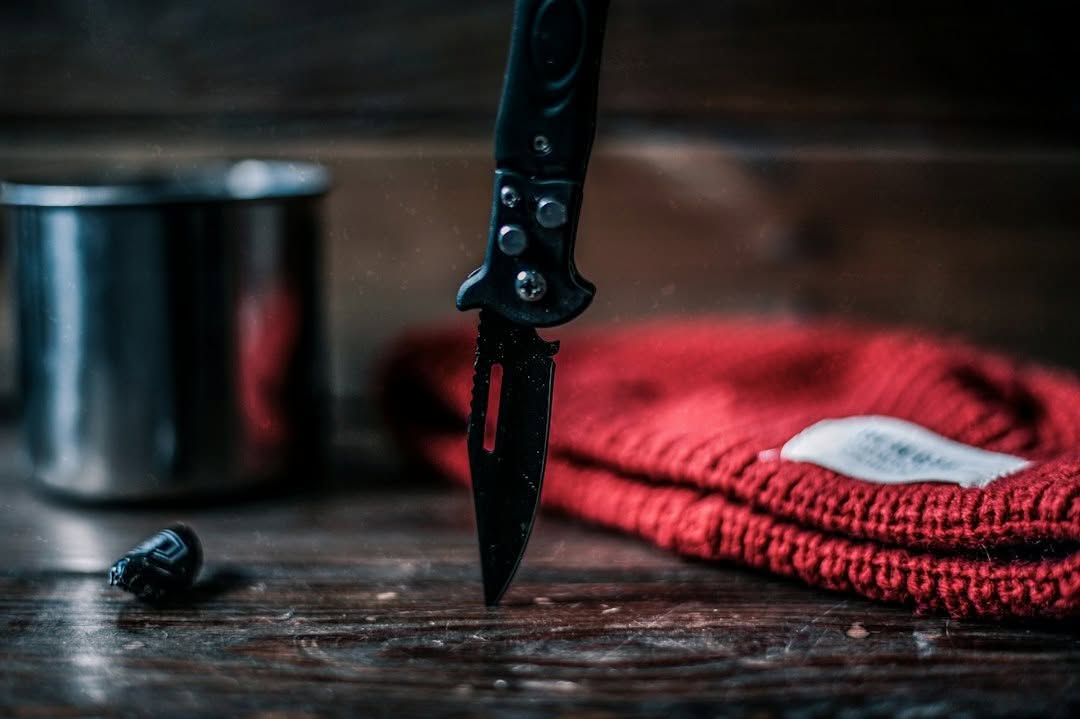
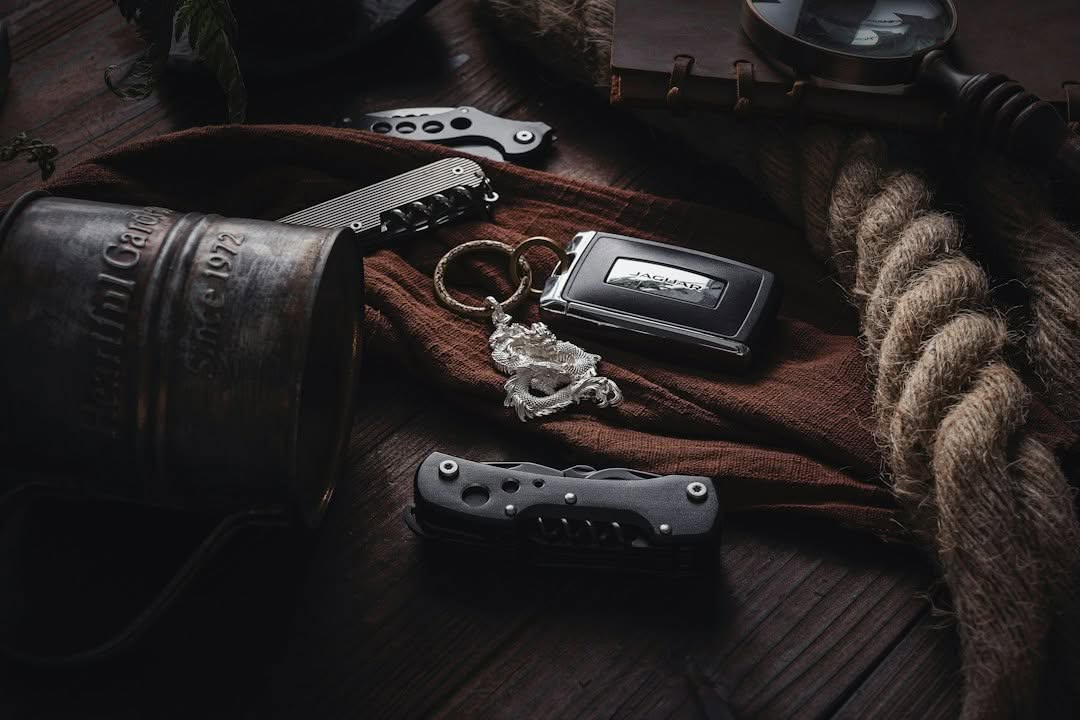
A multi-tool is probably the single most useful item you can carry. It has pliers, screwdrivers, a knife, a can opener, and more, all in one compact package. I have a good quality Leatherman that lives in my bug-out bag. A sturdy fixed-blade knife is also essential for a variety of tasks, from opening packages to preparing food to making kindling.
Beyond that, consider what tools might be needed to secure your home or navigate obstacles. A small crowbar can be useful for prying things open or closing them securely. Work gloves protect your hands. And while I won’t get into specifics about personal defense weapons, if you choose to have one, training and safe storage are paramount. The goal is to be prepared to protect yourself and your family if absolutely necessary.
When preparing for potential disasters, having the right doomsday survival gear is essential for ensuring your safety and well-being. A comprehensive guide on how to effectively prepare for emergencies can be found in this article that discusses crucial tips for surviving earthquakes. It emphasizes the importance of being equipped with the right tools and knowledge to navigate such situations. For more insights, you can read the full article on earthquake survival strategies here.
The All-Important Bug-Out Bag
| Item | Purpose | Recommended Quantity | Weight (approx.) | Durability |
|---|---|---|---|---|
| Water Filter | Purify drinking water | 1 per person | 0.5 lbs | High (up to 1000 liters) |
| Emergency Food Rations | Nutrition and energy | 2000 calories/day per person | 2-3 lbs per day | Medium (1-5 years shelf life) |
| First Aid Kit | Treat injuries and illnesses | 1 kit per group | 1-2 lbs | Medium (check expiration dates) |
| Multi-tool | Versatile tool for repairs and survival tasks | 1 per person | 0.3 lbs | High |
| Fire Starter | Ignite fires for warmth and cooking | 2-3 per group | 0.1 lbs each | High |
| Tent or Shelter | Protection from elements | 1 per 2 people | 5-10 lbs | High |
| Flashlight | Illumination | 1 per person | 0.5 lbs | Medium (depends on batteries) |
| Extra Batteries | Power for devices | 10 per flashlight | Varies | Medium (check expiration) |
| Paracord | Multiple uses including shelter and repairs | 50 feet per person | 1 lb per 50 feet | High |
| Emergency Blanket | Retain body heat | 1 per person | 0.1 lbs | High |
Even with all your home preparations, there might come a time when you need to leave. And when that happens, you want to be ready to go at a moment’s notice. That’s where the bug-out bag, or BOB, comes in. It’s not just a backpack; it’s a carefully curated survival kit designed to sustain you for at least 72 hours, maybe longer.
The Foundation of Your Escape Plan
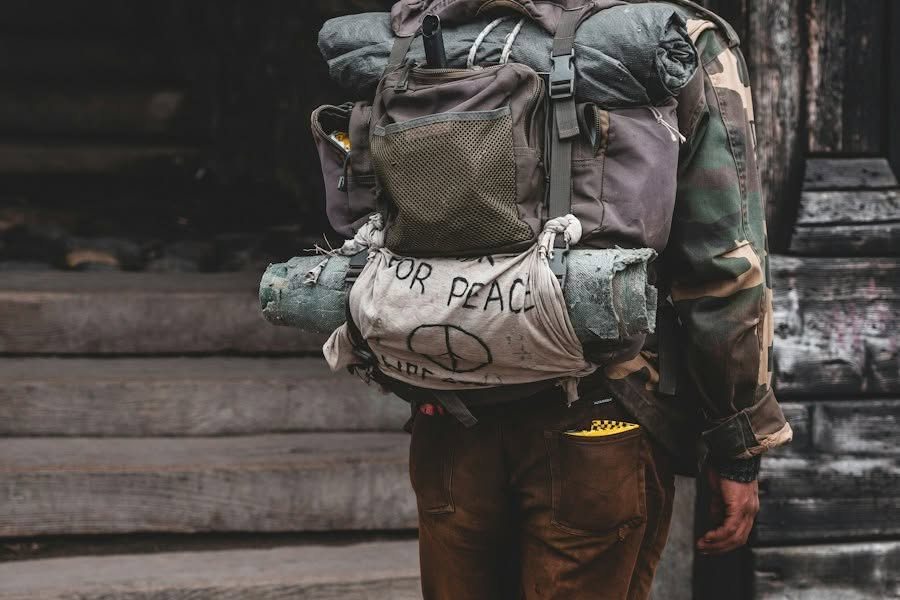
My bug-out bag is stored in an easily accessible place, not buried in a closet. It’s packed with what I need to survive if I have to evacuate quickly. The bag itself is a sturdy, comfortable hiking backpack, not some flimsy school bag. It needs to be able to handle weight and abuse. I’ve packed mine with a focus on core necessities: water, food, shelter, fire, first aid, and communication.
It holds a water filter, purification tablets, and a couple of liters of bottled water. There are MREs and high-calorie energy bars. I have my waterproof matches, a ferro rod, and some tinder. My comprehensive first-aid kit is in there, along with my emergency radio, a headlamp, and spare batteries.
Shelter and Navigation
A lightweight, compact tent or a sturdy tarp is critical for shelter. Even if it’s just to protect you from rain or provide a bit of privacy, having a way to get out of the elements is essential. I also include a sleeping bag liner or an emergency bivy sack for warmth. A good quality map of my local area and a compass (and knowing how to use them without GPS) are also packed. Relying solely on electronic devices for navigation is a mistake.
I also have a small amount of cash in various denominations, and copies of important documents (IDs, insurance papers, emergency contacts) sealed in a waterproof bag. It’s amazing how much you can fit into a well-packed bag, and how much peace of mind it gives you just knowing it’s ready. I check mine every few months, rotate out food and water, and make sure everything is in working order.
FAQs
What is doomsday survival gear?
Doomsday survival gear refers to a collection of essential items and tools that individuals prepare in anticipation of catastrophic events, such as natural disasters, societal collapse, or other emergencies. This gear typically includes food supplies, water purification systems, first aid kits, tools for shelter building, and self-defense items.
Why is it important to have doomsday survival gear?
Having doomsday survival gear is important because it can provide individuals and families with the necessary resources to survive during emergencies when access to basic necessities may be compromised. Preparedness can help mitigate risks, reduce panic, and increase the chances of survival in dire situations.
What items are commonly included in doomsday survival gear?
Common items included in doomsday survival gear are non-perishable food, water storage containers, water purification tablets or filters, a first aid kit, multi-tools, flashlights, batteries, fire-starting equipment, emergency blankets, and self-defense tools. Additionally, personal hygiene items and clothing suitable for various weather conditions are also recommended.
How can I effectively store my doomsday survival gear?
To effectively store doomsday survival gear, choose a cool, dry, and dark location to prevent spoilage and degradation of supplies. Use airtight containers for food and water, and regularly check expiration dates. Organize items in a way that allows for easy access during emergencies, and consider creating a checklist to ensure all necessary gear is accounted for.
Is doomsday survival gear only for extreme situations?
No, while doomsday survival gear is often associated with extreme situations, it can also be useful for everyday emergencies such as power outages, natural disasters, or unexpected events. Having a well-prepared emergency kit can provide peace of mind and ensure readiness for a variety of unforeseen circumstances.