I used to think of “preppers” as people building bunkers in their backyards, stockpiling enough MREs to last through a nuclear winter. You know, the kind of folks you’d see on those reality shows, maybe a little extreme. But lately, I’ve been seeing a shift. It’s not just about the end of the world as we know it anymore. More and more, I’m finding that people, myself included, are starting to think about prepping in a much more practical way. We’re talking about preparing for things that are actually pretty likely to happen: a week-long power outage, a nasty cyberattack that knocks out communications, or maybe even a natural disaster that makes getting to the grocery store impossible for a few days. It’s less about the apocalypse and more about everyday disruptions.
This change in focus makes a lot of sense when you think about it. The news is full of stories about vulnerabilities in our infrastructure, from the power grid to our digital networks. AI-related cyberattacks are a real concern, and a simple power failure can turn a normal day upside down pretty quickly. So, my thinking has evolved. Instead of imagining a dramatic, movie-style collapse, I’m now thinking about how to handle a few days without electricity, or how to get by if my internet suddenly stops working. It’s about resilience, really, and making sure I’m not caught completely off guard when things go sideways.
Building Your Basic Emergency Kit
FAQs
What is doomsday prepping?
Doomsday prepping refers to the practice of preparing for potential catastrophic events, such as natural disasters, economic collapse, or societal breakdown. Preppers often stockpile food, water, medical supplies, and other essential items to ensure their survival during emergencies.
What are common items that preppers stockpile?
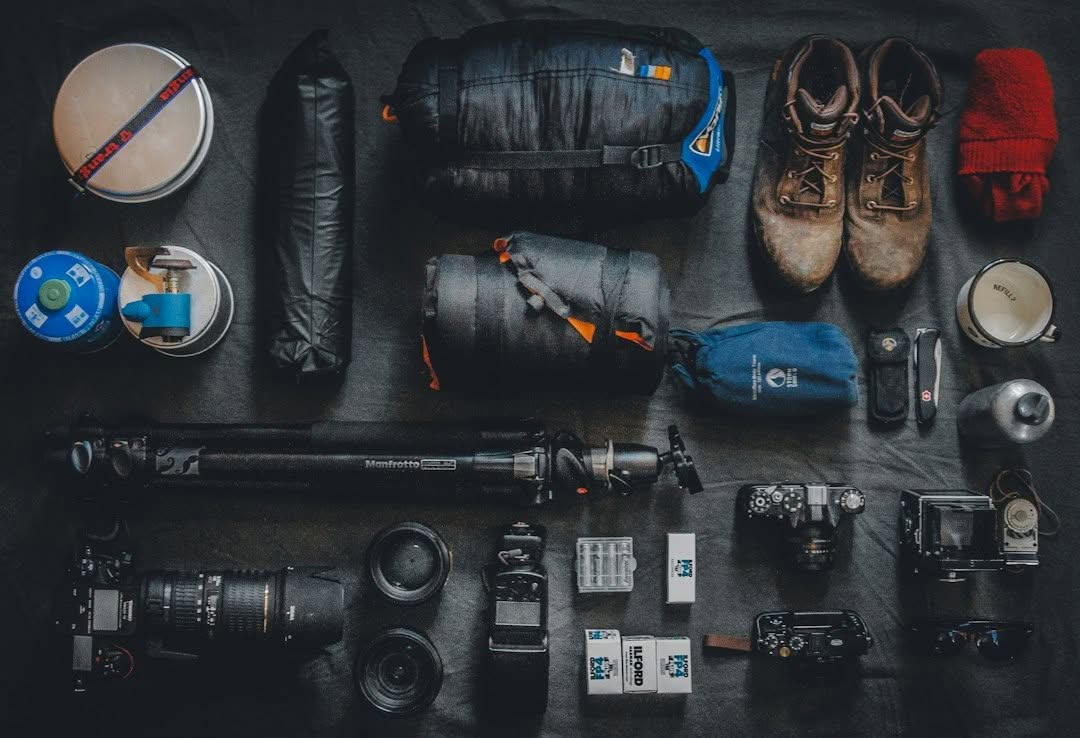
Common items that preppers stockpile include non-perishable food, bottled water, first aid kits, flashlights, batteries, multi-tools, and survival gear. Many also invest in self-defense items, seeds for gardening, and alternative energy sources like solar panels.
Is doomsday prepping only for extreme situations?
While doomsday prepping is often associated with extreme scenarios, many preppers also prepare for more likely events such as natural disasters (hurricanes, earthquakes, floods) or personal emergencies (job loss, medical issues). The skills and supplies acquired can be beneficial in a variety of situations.
How can someone start doomsday prepping?
To start doomsday prepping, individuals should first assess their specific needs and risks based on their location and lifestyle. They can begin by creating an emergency plan, gathering essential supplies, and gradually building a stockpile of food and resources. Education on survival skills and first aid is also recommended.
Are there any communities or resources for doomsday preppers?
Yes, there are numerous online forums, social media groups, and local meetups where doomsday preppers can share information, tips, and resources. Websites, books, and podcasts dedicated to survivalism and prepping also provide valuable insights and guidance for those interested in the lifestyle.