Water: The Absolute Priority
If there’s one thing I’ve learned about getting ready for an emergency, it’s that water rules. I mean, without it, you’re looking at serious problems in just a few days. So, when I sit down to really think about what I need, water is the first thing on my list, every single time. It’s not just about having some water; it’s about having enough water, and then having ways to make more of it drinkable.
Storing Enough Water
The standard advice for water storage used to be a gallon per person per day for three days. But honestly, that feels really light to me now. Most of what I’m reading and seeing from people who actually know their stuff suggests a lot more. We’re talking at least two weeks’ worth of water, which, if you do the math, is a lot of gallons. For my family of three, that’s 42 gallons. And that’s just for drinking. If you want to cook or do any kind of basic hygiene, you need even more. I’ve started buying those big five-gallon jugs whenever they’re on sale, just to build up a reserve. It’s bulky, and it takes up space in the garage, but I figure it’s better to trip over a water jug than to be thirsty.
Water Filtration and Purification
Storing water is a good start, but what if your stored water runs out, or what if you need to access a non-potable source? This is where filtration and purification come in. I’ve got a few different options because I don’t want to put all my eggs in one basket.
First, I have a pack of water purification tablets. They’re cheap, lightweight, and effective. The downside is they can make the water taste a bit chlorinated, but in an emergency, I’m not going to be picky.
Next, I have a couple of personal water filters, the kind you can screw onto a water bottle or drink directly from a stream. These are great for a go-bag or if I need to be mobile. They filter out most bacteria and protozoa, which is good enough for a lot of situations.
For home use, I’m looking into a gravity filter system. These are bigger and can filter larger quantities of water more quickly. You just fill the top reservoir with untreated water, and gravity does the rest, slowly dripping filtered water into a clean container below. It’s a bit of an investment, but if the tap stops flowing, it would be invaluable for keeping us supplied with clean water for cooking and drinking for an extended period. I mean, thinking about all the things that could go wrong with the water supply, from broken pipes to contaminated sources, it just makes sense to be ready.
For those interested in preparing for potential emergencies, a comprehensive doomsday prep list is essential. To enhance your readiness, you might find it useful to explore related strategies for outdoor survival. A great resource is the article on essential tips for outdoor adventures, which can be found here: Surviving in the Great Outdoors: Essential Tips for Outdoor Adventures. This article provides valuable insights that can complement your preparedness efforts.
Food: Sustenance Beyond the Tap
Once the water situation is somewhat sorted, my mind immediately goes to food. You can go longer without food than water, sure, but a hungry person is a stressed, less effective person. And who wants to add “hangry” to an already chaotic situation? The key here is non-perishable, easy-to-prepare food that doesn’t require refrigeration or a ton of cooking.
Building a Non-Perishable Pantry
Just like with water, the recommendations for food storage have also increased. It used to be three days, but now most experts and emergency-prep guides are pushing for at least 7-14 days of food. For me, I’m aiming for closer to a month, just to be safe. It’s easier to build up than you might think if you just add a few extra items to your grocery cart each week.
Canned goods are the backbone of my emergency food supply. I stock up on things like canned tuna, chicken, and beans for protein. Canned vegetables like corn, peas, and green beans add some nutrients and variety. And of course, plenty of hearty soups and stews. They’re relatively inexpensive and have a long shelf life.
Beyond cans, I also have a good supply of dry goods. Rice and dried beans are fantastic. They’re cheap, nutritious, and last almost indefinitely if stored properly. Oats are another staple for breakfast. I also keep some pasta on hand, though that requires more water for cooking.
Freeze-Dried Meals and Snacks
For more compact and longer-term storage, I’ve started investing in some freeze-dried meals. These are fantastic because they’re incredibly lightweight and have a shelf life of 20-25 years. You just add hot water, and you have a full meal. They’re more expensive than canned goods, but they’re great for variety and for a go-bag because of their weight. Energy bars, dried fruit, and nuts also make their way into my stash. They’re good for quick energy and don’t require any preparation at all. Plus, a little bit of chocolate or some hard candy can do wonders for morale, which I think is an often-overlooked aspect of prepping. It’s not just about surviving; it’s about maintaining some semblance of well-being.
Power, Communication, and Information
In our modern world, a lot of things just stop working without electricity. This is a huge vulnerability, and it’s something I’ve put a lot of thought into. Losing power isn’t just an inconvenience; it can cut you off from news, help, and even light.
Backup Power Solutions
My biggest investment in this area has been a solar generator. These aren’t the giant noisy gas generators that need fuel. They’re basically large battery packs that you can charge with solar panels. They’re quiet, don’t produce fumes, and can power small appliances, lights, and charge devices. I’ve got one that can run my small fridge for a few hours a day, which would be amazing for keeping some fresh food longer.
Beyond the main generator, I have plenty of smaller battery packs for charging phones and tablets. These are essentially glorified power banks, but having several fully charged ones means I can keep my essential electronics running for a while. And of course, a huge stash of extra batteries in all the common sizes for flashlights and radios.
Staying Connected and Informed
This is where the “new essentials” really come into play. A hand-crank or battery-powered radio is a non-negotiable item for me. It’s the only way to get official emergency broadcasts if the internet and cell towers are down. Some of these radios also double as flashlights and even have a USB port for charging a phone in a pinch. It’s a real multi-tool for communication and light.
But what if there’s no broadcast? Or what if I need to find my way somewhere? That’s why I keep a collection of low-tech information tools. Printed contact lists for family, friends, and emergency services are essential. My phone might die, but a piece of paper won’t. I also have a local road atlas and a compass. Relying solely on GPS is foolish when the power grid could fail. A good pocket reference book on things like first aid or basic survival skills also seems like a smart idea to me. Knowing how to do something is just as important as having the tools.
Health and Hygiene
When things go south, medical emergencies and sanitation issues can quickly become major problems. A simple cut can turn into a serious infection without proper care, and poor hygiene can lead to widespread illness.
The Essential First Aid Kit
My first aid kit isn’t just a few band-aids. It’s comprehensive, and I try to keep it updated. It includes wound care supplies like antiseptic wipes, sterile gauze, medical tape, and bandages of various sizes. Pain relievers, anti-diarrhea medication, allergy pills, and any prescription medications I need are all in there, with extras stored separately. I also have some basic tools like scissors, tweezers, and a thermometer.
Beyond the basics, I’ve added a few things that have become more relevant lately. N95 masks are a must, along with a good supply of disposable gloves. If there’s a widespread illness or poor air quality, these will be vital. A basic medical reference guide is also in the kit, so I don’t have to guess if someone has a sprain or a broken bone. Knowing what to do can make all the difference.
Sanitation and Personal Care
Maintaining hygiene might seem like a luxury in a crisis, but it’s crucial for preventing the spread of disease. I have a good supply of soap, hand sanitizer, and disinfecting wipes. Toilet paper is one of those things you don’t think about until it’s gone, so I keep a generous stockpile. Feminine hygiene products are also important to have on hand.
For waste disposal, I have heavy-duty trash bags and a bucket with a tight-fitting lid. This can serve as a makeshift toilet if plumbing isn’t working, and the bags can be used for waste management. It’s not glamorous, but it’s practical. I also have a camping shovel for digging catholes if I need to go outdoors. It’s all about minimizing risks and making an uncomfortable situation as manageable as possible.
If you’re interested in preparing for potential emergencies, you might find it helpful to explore a comprehensive doomsday prep list that covers essential supplies and strategies. A related article on this topic can provide valuable insights and tips to ensure you’re well-equipped for any situation. For more information, you can check out this informative resource on survival techniques at Survival Leader.
Beyond the Basics: Go-Bags and Financial Security
| Item | Recommended Quantity | Purpose | Storage Tips |
|---|---|---|---|
| Water | 1 gallon per person per day (minimum 14 days) | Hydration and cooking | Store in food-grade containers, keep in a cool dark place |
| Non-perishable Food | At least 2 weeks supply | Nutrition and energy | Use canned goods, freeze-dried meals; rotate stock regularly |
| First Aid Kit | 1 complete kit per household | Treat injuries and illnesses | Keep in an accessible, dry location |
| Flashlights | 2 per person | Lighting during power outages | Store extra batteries separately |
| Batteries | Varied sizes, minimum 2 weeks supply | Power for flashlights, radios, and other devices | Keep in original packaging or airtight containers |
| Multi-tool | 1 per person | Versatile tool for repairs and survival tasks | Keep clean and lubricated |
| Emergency Radio | 1 per household | Receive news and alerts | Preferably hand-crank or solar powered |
| Sanitation Supplies | Varied (toilet paper, soap, disinfectants) | Maintain hygiene and prevent disease | Store in waterproof containers |
| Warm Clothing and Blankets | Enough for all household members | Protection against cold weather | Store in moisture-proof bags |
| Cash | Small denominations | For transactions if electronic systems fail | Keep in a secure, hidden place |
While a big home supply is critical, sometimes you need to leave in a hurry. That’s where a “bug-out bag” or “go-bag” comes in. And in a world where digital money rules, having physical cash is also a smart move.
The Ready-to-Grab Go-Bag
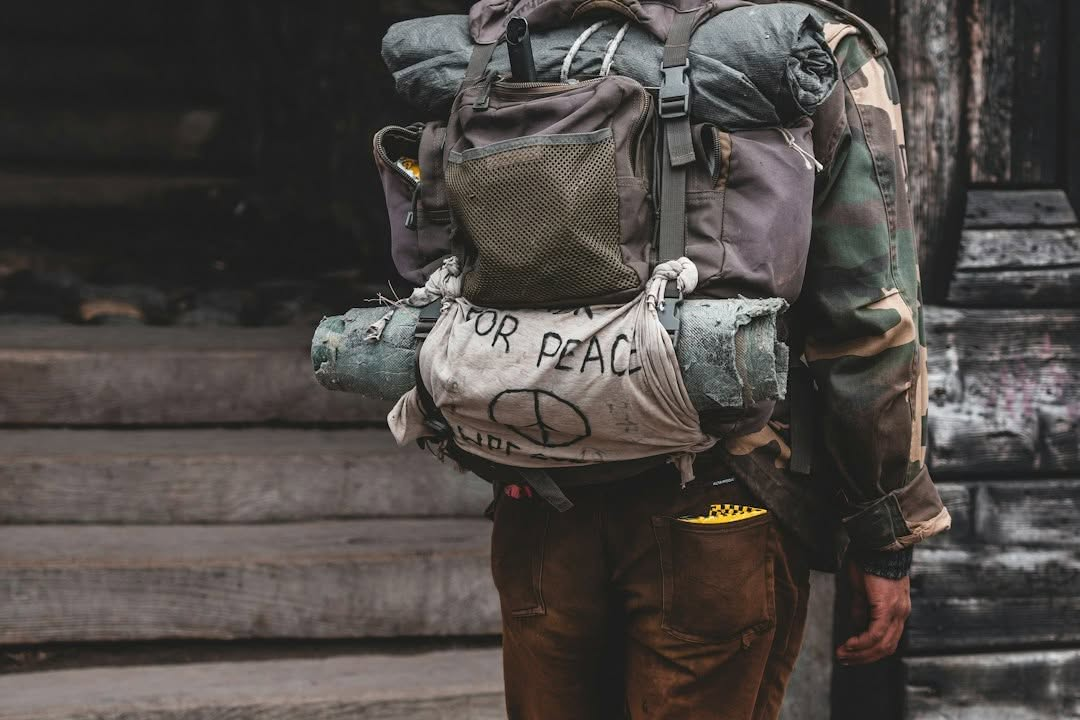
I’ve assembled a go-bag for each member of my family. These bags are packed and ready to grab at a moment’s notice. Each one contains essentials for 72 hours of independent survival. This includes bottled water, high-energy food bars, a change of clothes suitable for the season, and a personal first aid kit.
Beyond that, each bag has a small flashlight or headlamp, a whistle, a multi-tool, and a Mylar emergency blanket. I also make sure there’s a printed map of our local area and some backup phone chargers. The idea is that if we have to leave our home for any reason, we can sustain ourselves for a few days while figuring out our next steps. It gives me a surprising amount of peace of mind knowing these bags are just sitting there, waiting, even if I hope we never have to use them.
Secure Documents and Cash
In an emergency, things like identification, insurance information, and bank records can become incredibly important, especially if you need to access funds or prove who you are. I have both paper copies and encrypted digital copies of all our vital documents. These include birth certificates, marriage licenses, passports, social security cards, insurance policies, and banking information. The paper copies are in a waterproof, fireproof document bag, and the digital copies are on an encrypted flash drive stored separately.
Finally, and this is something experts are really pushing now, is having a decent amount of cash on hand. I mean, we’re so used to swiping cards or using our phones for payments that the idea of cash seems almost quaint. But if the power grid goes down, credit card machines won’t work, and ATMs will be useless. A few hundred dollars in small bills could be the difference between getting what you need and being completely stuck. I keep a stash of twenties and tens in a secure, discreet location. It’s just another layer of readiness for a world that relies a little too heavily on things that can break.
FAQs
What is a doomsday prep list?
A doomsday prep list is a comprehensive inventory of supplies, tools, and resources that individuals or families prepare in anticipation of potential disasters or emergencies. This list typically includes food, water, medical supplies, tools, and other essentials needed to survive during a crisis.
Why is it important to have a doomsday prep list?
Having a doomsday prep list is important because it helps individuals and families to be organized and prepared for unexpected emergencies, such as natural disasters, pandemics, or societal disruptions. Being prepared can increase the chances of survival and reduce panic during a crisis.
What items should be included in a doomsday prep list?
A doomsday prep list should include non-perishable food items, clean drinking water, first aid supplies, a multi-tool or survival kit, flashlights, batteries, a portable radio, hygiene products, and important documents. Additionally, personal items such as clothing, blankets, and any necessary medications should also be considered.
How often should I update my doomsday prep list?
It is advisable to review and update your doomsday prep list at least once a year or whenever there are significant changes in your household, such as new family members or changes in dietary needs. Regularly checking expiration dates on food and medical supplies is also essential to ensure everything is usable when needed.
Where can I find resources to help create a doomsday prep list?
Resources for creating a doomsday prep list can be found through government emergency management websites, survivalist blogs, and preparedness organizations. Many of these resources provide checklists, guides, and tips on what to include based on different types of emergencies.