Why I Think About Being Ready
I’ve been thinking a lot lately about how quickly things can go sideways. It feels like every other week there’s some new story about a power grid hiccup, a cyberattack, or a natural disaster that just… stops everything. I used to joke about being a prepper, but honestly, with all the tech outages and service disruptions we’ve been seeing, it just makes sense to have a plan. It’s not about building a bunker and stocking up for the apocalypse, at least not for me. It’s about having a bag packed with the basics, just in case. Call it a “go-bag” or a “bug-out bag,” whatever you like. For me, it’s about peace of mind. I want to know that if something unexpected happens, I can take care of myself and my family for a little while, even if everything else is down. Experts I’ve read are talking about having enough for about 7 to 14 days, and that feels like a good, achievable goal. It’s not about paranoia; it’s about practicality.
My personal journey into this preparedness mindset really kicked off after a pretty localized power outage last year. It wasn’t a huge deal, just a few days without electricity, but it showed me how much I relied on modern conveniences. No internet, no running water for a bit, and suddenly I was digging through my pantry for canned goods I’d forgotten about. That experience made me realize that even smaller disruptions can throw you for a loop. I saw a bunch of videos on social media recently, people showing off their go-bags, and it just reinforced my feeling that this isn’t just for the extreme survivalists anymore. It’s becoming pretty mainstream, and for good reason. It’s a smart move to be ready for the unexpected, no matter how small or large the disruption might be.
When preparing for potential emergencies, having a well-stocked doomsday survival bag is essential. For those interested in enhancing their survival skills and knowledge, a related article can be found at Survival Leader’s Rainforest Survival section, which offers valuable insights into navigating and thriving in challenging environments. This resource provides tips on essential gear, foraging, and shelter-building techniques that can be crucial in a survival situation.
The Core Essentials for My Go-Bag
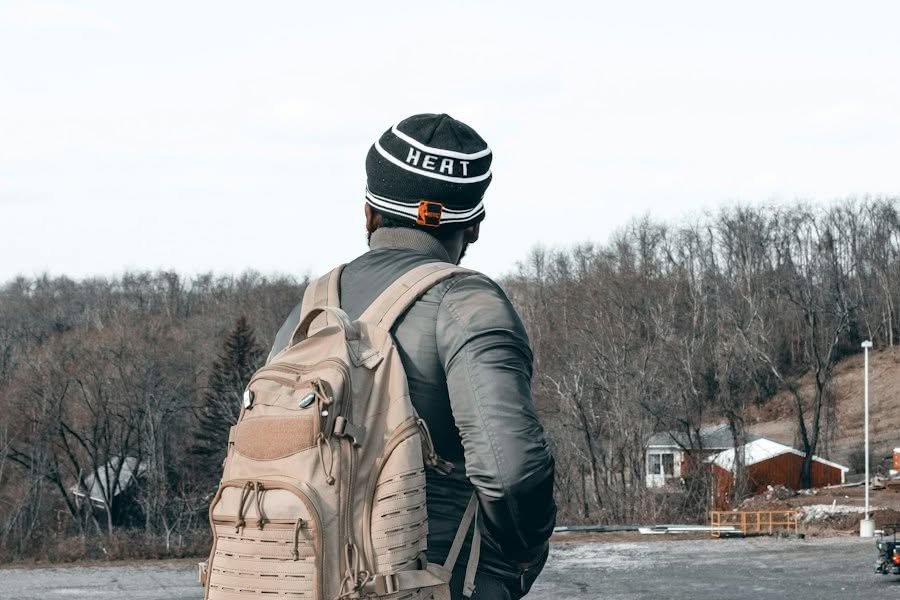
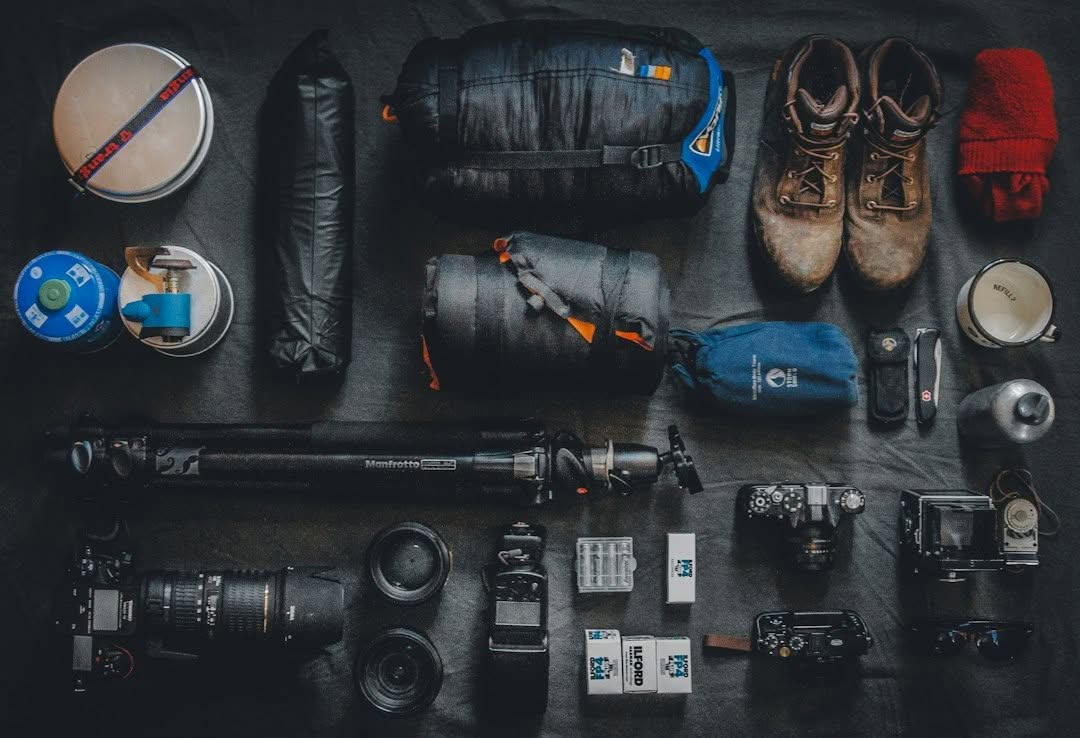
When I started thinking about what actually goes into this bag, I tried to keep it simple. It’s easy to get carried away and start imagining every possible scenario, but the goal is functionality and portability. I’m aiming for something I can grab quickly, something that covers the absolute necessities for a short to medium-term disruption. This isn’t a camping trip, it’s about getting through a tough spot. So, I’m prioritizing items that keep me safe, fed, hydrated, and able to communicate, even if the usual systems are down.
Food and Water Needs
This is probably the most critical part of the bag. You can go a while without some things, but not food and water. For water, I’ve got a few things. First, a couple of collapsible water jugs. They don’t take up much space when empty but can hold a good amount when needed. Then, a water filter straw. These are super compact and can make almost any questionable water source drinkable, which is a huge relief. I’m also throwing in some water purification tablets, just as a backup. You can never be too careful with water.
For food, I’m not packing gourmet meals. I’m looking for high-calorie, long-shelf-life items that don’t need cooking. Energy bars, dehydrated meals, and some MREs (Meals Ready to Eat) are on my list. The MREs are a bit bulky, but they’re complete meals and give a sense of normalcy in a chaotic situation. I’m thinking about enough food for at least a week, maybe ten days. I also keep a few hard candies or chocolate bars. They’re good for a quick energy boost and a morale lift.
First Aid and Hygiene
A good first aid kit is non-negotiable. I’m not talking about a couple of band-aids. I’ve put together a pretty comprehensive kit that includes bandages of various sizes, antiseptic wipes, pain relievers, allergy medication, any prescription meds I need, and things like gauze, medical tape, and antibiotic ointment. I also learned to include a tourniquet and some wound closure strips. You never know.
Beyond just patching up scrapes, hygiene is important. Wet wipes, hand sanitizer, a small bar of soap, and a travel-size toothbrush and toothpaste make a big difference for comfort and preventing illness. A small quick-drying towel is also useful. And don’t forget N95 masks. We’ve all seen how useful those can be for air quality issues, whether it’s dust, smoke, or something else in the air.
Shelter and Warmth
Even if I don’t plan on being outside for days on end, having some basic shelter and warmth options makes sense. A lightweight emergency blanket – those Mylar ones – is a no-brainer. They pack down to nothing and can reflect a lot of heat. A small tarp or a robust poncho can serve as a makeshift shelter from rain or wind. I’m also including a space blanket and a compact sleeping bag or bivy sack, just in case I have to spend a night out in the open. It’s better to be prepared than to be shivering.
Communication and Navigation When Systems Fail
This is where a lot of modern life can fall apart. We rely so much on our phones and the internet. When those go down, you need backups. This section is all about staying informed and knowing where you are going, even if GPS is a distant memory.
Staying Connected and Informed
A hand-crank radio is at the top of my list here. It doesn’t rely on batteries, so it’s always ready to go. Many of these also have a built-in flashlight and a USB port to charge a phone, albeit slowly. Speaking of charging, a solar charger is essential. It’s not fast, but it can keep small electronics, like a phone or that hand-crank radio, topped up over time. And, of course, a good stash of spare batteries for flashlights and anything else that needs them.
My phone is basically useless without service, but it can still hold downloaded maps and crucial contact info. I also keep a small, cheap burner phone with a fully charged battery and maybe even a prepaid SIM card. It’s an old trick, but it could save you if main networks are overloaded or down.
Finding My Way
This might sound old-school, but a physical road atlas is crucial. You can’t rely on Google Maps when there’s no power or cell signal. A good, detailed map of my local area and surrounding regions is folded up in my bag. And with that, a compass. Knowing how to use one is just as important as having one, so I’ve actually brushed up on my orienteering skills. It’s surprisingly easy once you get the hang of it. A headlamp with extra batteries is also a must-have for nighttime navigation or just moving around in the dark.
Tools, Power, and Important Documents
This is the grab-bag section for everything else that’s super useful. These are the items that help you fix things, make things, and generally get by without outside help. And for the really important stuff, the things that prove you are who you say you are, I have a separate, organized section.
Multi-Purpose Tools
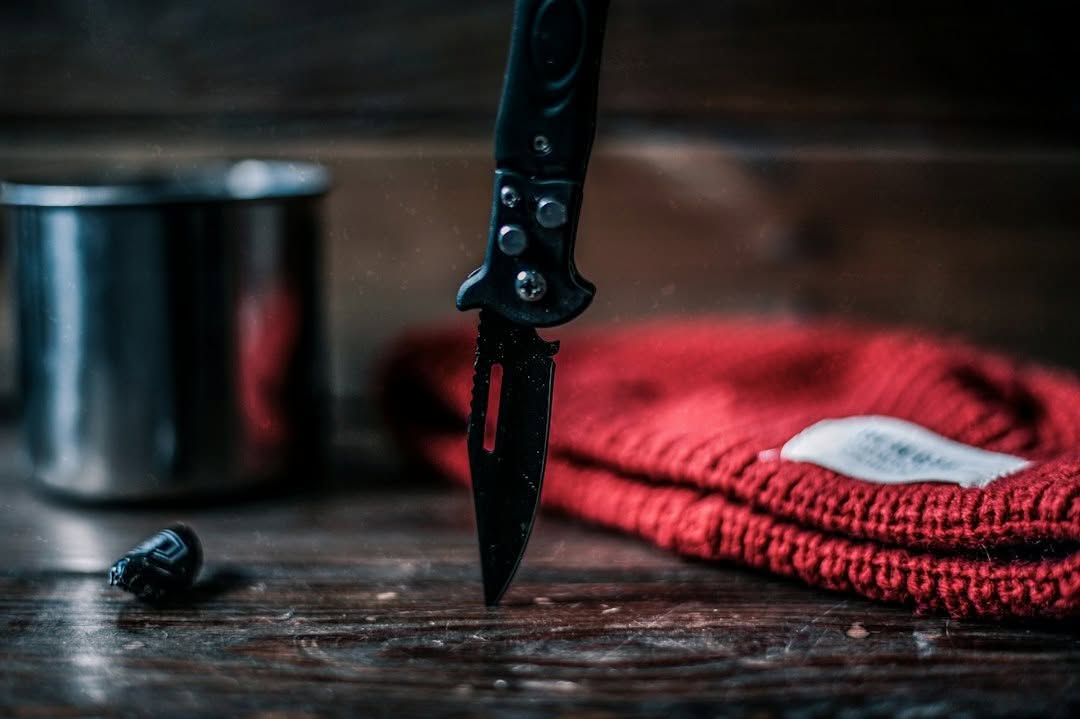
A good quality multi-tool is probably the single most versatile item in my bag. It has pliers, screwdrivers, a can opener, and a knife all in one compact unit. Beyond that, a small, fixed-blade knife is also in there. It’s more robust for harder tasks. Duct tape is basically liquid gold in an emergency; you can fix almost anything with it. Some cordage, like paracord, is also incredibly useful for tying things, building makeshift shelters, or even fishing.
I also include a small shovel or trowel for digging, whether it’s for hygiene purposes or burying waste. A whistle is good for signaling, and a fire starter (waterproof matches, a lighter, and a ferro rod) is essential for warmth, cooking, and signaling. It’s surprising how much you miss fire when you can’t just flip a switch for light or heat.
Backup Power and Lighting
Besides the solar charger and hand-crank radio, I have a few bright LED flashlights with extra batteries. Headlamps are great because they keep your hands free. I also pack a few candles. They provide a surprising amount of light and a bit of warmth, and they’re just comforting when everything else is dark. A power bank for my phone is also in the bag, fully charged, of course. Maybe two.
Critical Papers and Cash
This is something I think a lot of people overlook. If you need to prove who you are, or access funds when ATMs are down, you need physical copies. I have a waterproof bag specifically for this. Inside, there are copies of my ID, passport, birth certificate, marriage license, insurance policies, and any important medical records or prescriptions. I also have a list of emergency contacts, written down, not just in my phone.
And cash. Lots of it, in small denominations. If power is out, credit card machines won’t work. ATMs will be offline. Cash is king in a disaster. I try to keep at least a few hundred dollars on hand in my bag, because you just never know when you might need to buy something or pay for a service when digital payments are impossible.
When preparing your doomsday survival bag, it’s essential to consider not only the items you need but also the potential challenges you may face in extreme situations. For instance, understanding how to navigate through difficult weather conditions can be crucial. A related article that offers valuable insights on this topic is available here, where you can find tips on surviving in whiteout conditions. This information can help you enhance your preparedness and ensure that your survival bag is equipped for various scenarios.
Final Thoughts and Packing Tips
| Item | Quantity | Purpose | Weight (lbs) | Duration Covered |
|---|---|---|---|---|
| Water Purification Tablets | 50 tablets | Safe drinking water | 0.1 | Up to 50 liters |
| Freeze-Dried Meals | 10 packs | Nutrition and sustenance | 5 | 10 days |
| First Aid Kit | 1 kit | Medical emergencies | 2 | Varies |
| Multi-tool | 1 | Versatile tool for repairs and survival | 0.5 | Indefinite |
| Emergency Blanket | 2 | Heat retention | 0.3 | Indefinite |
| Flashlight with Batteries | 1 flashlight + 4 batteries | Illumination | 1.2 | Up to 40 hours |
| Fire Starter Kit | 1 kit | Fire ignition | 0.4 | Multiple uses |
| Water Container | 1 (2 liters) | Water storage | 0.2 | 2 liters |
| Paracord (50 ft) | 1 bundle | Building shelter, repairs | 0.7 | Indefinite |
| Dust Mask | 3 | Air filtration | 0.1 | Varies |
As I’ve been putting all this together, it’s pretty clear that getting this ultimate doomsday survival bag ready isn’t a one-and-done thing. It’s an ongoing process of tweaking, checking expiration dates, and making sure everything still works. I’ve noticed a lot of retailers, even places like Costco, are now selling pre-made emergency kits, which is a testament to how mainstream this has become. And honestly, while those can be a good starting point, I prefer building my own. It helps me understand what I have and why I have it. Plus, I can tailor it to my specific needs and location.
My main piece of advice is to really think about what you might need for 7 to 14 days, given where you live and who you’re responsible for. Pack the practical essentials, not a bunker-level stockpile. I try to keep my bag as organized as possible with smaller pouches for different categories of items, like first aid or communication. This makes it easier to find things when you’re under stress. And finally, don’t just pack it and forget it. Every few months, I go through my bag, check batteries, rotate food and water, and make sure everything is in good working order. It’s not about being scared; it’s about being prepared and knowing that, no matter what happens, I’ve done my best to take care of myself and my loved ones.
FAQs
What is a doomsday survival bag?
A doomsday survival bag, often referred to as a bug-out bag, is a portable kit that contains essential supplies and equipment designed to sustain an individual or family in the event of a disaster or emergency situation. This can include natural disasters, societal collapse, or other catastrophic events.
What items should be included in a doomsday survival bag?
A well-equipped doomsday survival bag typically includes items such as non-perishable food, water purification systems, first aid supplies, a multi-tool, a flashlight, batteries, a fire starter, clothing, a shelter or emergency blanket, and important documents. The specific contents may vary based on individual needs and the types of emergencies anticipated.
How long should a doomsday survival bag be able to sustain you?
Most experts recommend that a doomsday survival bag should be able to sustain an individual for at least 72 hours, which is often referred to as the “72-hour kit.” However, some people choose to prepare for longer durations, depending on their circumstances and the potential severity of the emergency.
Where should I store my doomsday survival bag?
Your doomsday survival bag should be stored in a location that is easily accessible in case of an emergency. Common storage places include a closet near the front door, a garage, or a designated emergency preparedness area in your home. It’s important to ensure that all family members know where it is located.
How often should I check and update my doomsday survival bag?
It is advisable to check and update your doomsday survival bag at least once every six months. This ensures that food and medical supplies are not expired, that equipment is in working order, and that the contents still meet your current needs and preferences. Regular updates also allow you to adapt to any changes in your family situation or potential threats.