
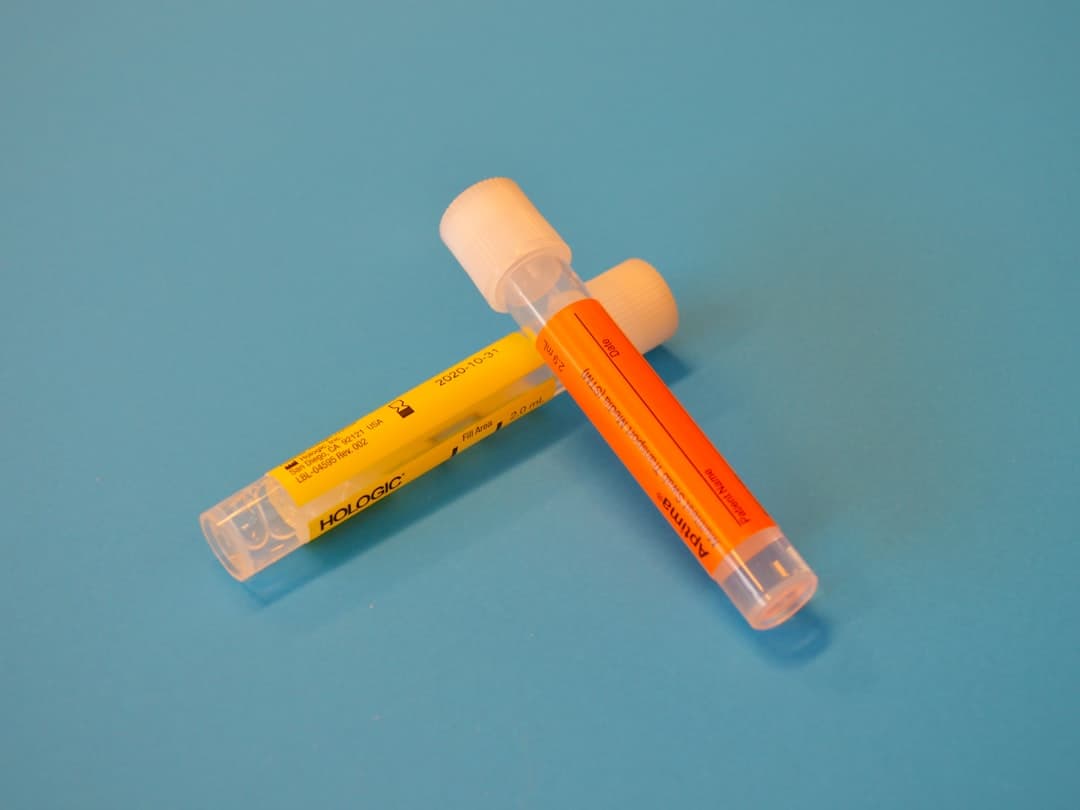
In an increasingly unpredictable world, the significance of having an emergency antibiotic kit cannot be overstated. Natural disasters, pandemics, and even everyday accidents can lead to situations where access to medical care is limited or delayed. In such scenarios, the ability to manage infections promptly can be a matter of life and death.
An emergency antibiotic kit serves as a crucial resource, providing individuals and families with the means to address bacterial infections before professional medical help can be obtained. This proactive approach not only empowers individuals to take charge of their health but also alleviates the burden on healthcare systems during crises when resources may be stretched thin. Moreover, the presence of an emergency antibiotic kit can instill a sense of security and preparedness.
Knowing that you have the tools to combat potential infections can reduce anxiety in high-stress situations. This is particularly relevant for those living in remote areas or regions prone to natural disasters, where access to healthcare facilities may be limited. An emergency antibiotic kit can also be invaluable for travelers venturing into remote locations or developing countries, where the risk of infections may be heightened.
By equipping oneself with the necessary antibiotics, individuals can ensure that they are prepared for unforeseen circumstances, ultimately enhancing their overall resilience in the face of adversity.
Key Takeaways
- Having an emergency antibiotic kit is crucial for addressing infections and illnesses during disasters or emergencies.
- When choosing antibiotics for your kit, consider the specific needs of your family and any known allergies or sensitivities.
- Proper storage and handling of antibiotics is essential to maintain their effectiveness and safety for use.
- Understanding the correct dosages and administration of antibiotics is important to ensure their effectiveness and minimize the risk of resistance.
- It’s important to be aware of the potential risks and side effects of antibiotics, and to use them only when necessary and under the guidance of a healthcare professional.
Choosing the Right Antibiotics for Your Kit
Selecting the appropriate antibiotics for your emergency kit is a critical step that requires careful consideration and knowledge. Not all antibiotics are created equal; each type targets specific bacteria and is effective for particular infections. Commonly recommended antibiotics for emergency kits include amoxicillin, azithromycin, and ciprofloxacin, among others.
Amoxicillin is often used for respiratory infections and skin infections, while azithromycin is effective against a range of bacterial infections, including those affecting the respiratory tract. Ciprofloxacin, on the other hand, is particularly useful for urinary tract infections and certain gastrointestinal infections. Understanding the spectrum of activity for each antibiotic is essential in ensuring that your kit is equipped to handle a variety of potential infections.
In addition to understanding which antibiotics to include, it is equally important to consider the specific needs of your household or travel group. For instance, if you have family members with known allergies to certain antibiotics, it is crucial to avoid including those in your kit. Furthermore, individuals with chronic health conditions may require specific antibiotics that cater to their unique medical needs.
Consulting with a healthcare professional can provide valuable insights into which antibiotics would be most beneficial for your situation. Ultimately, a well-thought-out selection process will ensure that your emergency antibiotic kit is both comprehensive and tailored to effectively address potential health crises.
Proper Storage and Handling of Antibiotics

Once you have assembled your emergency antibiotic kit, proper storage and handling become paramount to maintaining the efficacy of the medications contained within. Antibiotics are sensitive to environmental factors such as temperature, humidity, and light exposure, which can compromise their effectiveness over time. Ideally, antibiotics should be stored in a cool, dry place away from direct sunlight.
A temperature-controlled environment is optimal; many antibiotics should be kept at room temperature, typically between 68°F and 77°F (20°C to 25°C). It is advisable to avoid storing them in bathrooms or kitchens where humidity levels can fluctuate significantly. In addition to temperature considerations, it is essential to regularly check the expiration dates on your antibiotics and replace any that have expired.
Expired medications may not only lose their potency but could also pose risks if taken during an emergency. Keeping an inventory list of your antibiotics along with their expiration dates can help you stay organized and ensure that your kit remains effective over time. Furthermore, when handling antibiotics, it is crucial to follow hygiene practices such as washing hands before accessing the kit and using clean utensils when measuring dosages.
These precautions will help prevent contamination and ensure that the antibiotics remain safe for use when needed.
Understanding Dosages and Administration
| Medication | Dosage | Administration |
|---|---|---|
| Aspirin | 325 mg | Oral, every 4-6 hours as needed |
| Amoxicillin | 500 mg | Oral, every 8 hours for 7-10 days |
| Morphine | 10 mg | Injection, every 4 hours as needed for pain |
A thorough understanding of dosages and administration methods is vital when it comes to using antibiotics effectively in an emergency situation. Each antibiotic has specific dosing guidelines based on factors such as age, weight, and the type of infection being treated. For instance, amoxicillin may be prescribed at a dosage of 500 mg every eight hours for adults with certain infections, while children’s dosages are typically calculated based on their weight.
Familiarizing yourself with these guidelines will enable you to administer the correct dosage promptly when faced with an infection. In addition to knowing the appropriate dosages, understanding how to administer antibiotics correctly is equally important. Some antibiotics are taken orally in pill or liquid form, while others may require intravenous administration or injections.
In an emergency setting where professional medical assistance may not be readily available, being able to administer medications correctly can significantly impact treatment outcomes. It is advisable to include clear instructions in your emergency kit regarding how each antibiotic should be taken or administered. This information will not only aid in proper usage but also serve as a valuable reference during high-stress situations when clarity is essential.
Potential Risks and Side Effects of Antibiotics
While antibiotics are powerful tools in combating bacterial infections, they are not without risks and potential side effects that must be acknowledged. Common side effects include gastrointestinal disturbances such as nausea, vomiting, diarrhea, and abdominal pain. These reactions can vary in severity from mild discomfort to more serious complications that may require additional medical attention.
It is crucial for individuals using antibiotics to be aware of these potential side effects so they can monitor their condition closely and seek help if necessary. Moreover, the misuse or overuse of antibiotics can lead to more significant issues such as antibiotic resistance. This phenomenon occurs when bacteria evolve and develop resistance to the drugs designed to kill them, rendering certain antibiotics ineffective over time.
This not only complicates treatment options for individuals but also poses a broader public health risk as resistant strains of bacteria spread within communities. Therefore, it is essential to use antibiotics judiciously and only when necessary. Educating yourself about the appropriate use of antibiotics will help mitigate these risks while ensuring that they remain effective tools in managing bacterial infections.
Alternatives to Antibiotics in Emergency Situations

In certain emergency situations, there may be alternatives to antibiotics that can effectively address infections or support recovery without relying solely on these medications. Natural remedies have gained popularity as adjuncts or alternatives to traditional antibiotic treatments. For instance, honey has been recognized for its antimicrobial properties and can be applied topically to wounds to promote healing and prevent infection.
Similarly, garlic has been touted for its natural antibacterial effects and may offer some protective benefits against certain pathogens. Additionally, maintaining good hygiene practices plays a crucial role in preventing infections from escalating in emergencies. Cleaning wounds thoroughly with soap and water can significantly reduce the risk of infection before any antibiotic treatment is considered necessary.
Furthermore, staying hydrated and consuming a balanced diet rich in vitamins and minerals can bolster the immune system’s ability to fight off infections naturally. While these alternatives should not replace antibiotics when they are genuinely needed, they can serve as valuable complements in managing health during emergencies.
Creating a Comprehensive Emergency Preparedness Plan
Creating a comprehensive emergency preparedness plan involves more than just assembling an antibiotic kit; it requires a holistic approach that encompasses various aspects of health and safety. Start by assessing your household’s unique needs and potential risks based on your location and lifestyle. Consider factors such as local health threats, access to medical facilities, and any pre-existing health conditions among family members.
This assessment will guide you in tailoring your emergency plan effectively. In addition to including an antibiotic kit in your preparedness plan, consider other essential components such as first aid supplies, emergency contact information, and a communication strategy for staying connected during crises. Regularly review and update your plan to ensure it remains relevant as circumstances change over time.
Conducting drills or discussions with family members about what to do in emergencies can enhance readiness and confidence when faced with real-life situations. By taking these proactive steps, you can create a robust emergency preparedness plan that not only addresses potential health crises but also fosters resilience within your household during challenging times.
For those interested in preparing for medical emergencies, especially when access to immediate healthcare is not possible, an emergency antibiotic kit can be a crucial component of your survival gear. You can find a detailed guide on what to include in your emergency antibiotic kit and how to use it safely and effectively on the Survival Leader website. For more information, check out their article on this topic at Emergency Antibiotic Kit Essentials. This resource is invaluable for anyone looking to enhance their preparedness for potential health emergencies in unpredictable environments.
FAQs
What is an emergency antibiotic kit?
An emergency antibiotic kit is a collection of antibiotics that are used to treat bacterial infections in emergency situations when access to medical care is limited or unavailable.
What antibiotics are typically included in an emergency antibiotic kit?
Common antibiotics included in an emergency antibiotic kit may include amoxicillin, ciprofloxacin, doxycycline, and metronidazole, among others. These antibiotics are chosen for their broad-spectrum coverage and ability to treat a variety of bacterial infections.
How should an emergency antibiotic kit be used?
An emergency antibiotic kit should only be used under the guidance of a healthcare professional or in accordance with local medical guidelines. It is important to use antibiotics responsibly and only when necessary to avoid contributing to antibiotic resistance.
Where can I obtain an emergency antibiotic kit?
Emergency antibiotic kits are typically prescribed by a healthcare professional and can be obtained from a pharmacy. It is important to have a valid prescription for antibiotics and to follow local regulations regarding the purchase and use of antibiotics.
What are the potential risks of using an emergency antibiotic kit?
Using antibiotics without proper medical supervision can lead to antibiotic resistance, allergic reactions, and other adverse effects. It is important to use antibiotics judiciously and only when prescribed by a healthcare professional.