Preparedness is a fundamental aspect of life that often gets overlooked until it’s too late. I have come to realize that being prepared is not just about having the right tools or supplies; it’s a mindset that allows me to face unexpected challenges with confidence. Whether it’s a natural disaster, a sudden emergency, or even a simple outdoor adventure, having a plan in place can make all the difference.
I’ve learned that taking the time to prepare can significantly reduce panic and anxiety when faced with unforeseen circumstances. In my experience, preparedness fosters a sense of security. Knowing that I have taken steps to equip myself for various situations gives me peace of mind.
It allows me to focus on problem-solving rather than succumbing to fear. I’ve seen how preparedness can transform a potentially chaotic situation into one where I can think clearly and act decisively. This proactive approach not only benefits me but also those around me, as I can offer support and guidance when others may be struggling.
Key Takeaways
- Preparedness is crucial for surviving in the wilderness and being ready for unexpected situations.
- Essential survival skills such as fire starting, shelter building, and first aid are vital for staying alive in the wilderness.
- Building a bug out bag with essential items like food, water, and tools is important for being prepared for emergencies.
- Finding and purifying water is a key skill for survival, as clean water is essential for staying hydrated.
- Creating shelter in the wilderness using natural materials and understanding the environment is crucial for protection from the elements.
Survival Skills
Survival skills are invaluable tools that I have found essential in navigating both wilderness and urban environments. These skills encompass a wide range of abilities, from basic first aid to fire-starting techniques. I’ve come to appreciate the importance of mastering these skills, as they empower me to handle emergencies effectively.
For instance, knowing how to administer first aid can be lifesaving in critical situations, allowing me to provide immediate assistance until professional help arrives. Another crucial survival skill is the ability to start a fire. I remember the first time I successfully ignited a fire using only natural materials; it was a moment of triumph.
Fire not only provides warmth and light but also serves as a means for cooking food and purifying water. The knowledge of various fire-starting methods, such as using friction or flint and steel, has become an integral part of my skill set.
Building a Bug Out Bag
Creating a bug-out bag has been one of the most practical steps I’ve taken in my preparedness journey. This bag serves as my go-to resource in case I need to evacuate quickly. I’ve learned that the contents of my bag should be carefully curated to ensure I have everything I need without being weighed down by unnecessary items.
Essentials like water purification tablets, non-perishable food, and a first aid kit are at the top of my list. I also make sure to include tools that can aid in survival situations, such as a multi-tool, fire starter, and a compact emergency blanket. Each item in my bug-out bag has been chosen with purpose, reflecting my understanding of what I might need in various scenarios.
Regularly reviewing and updating the contents ensures that my bag remains relevant and ready for action. This preparation gives me confidence that I can handle emergencies effectively.
Finding and Purifying Water
| Method | Effectiveness | Cost |
|---|---|---|
| Boiling | High | Low |
| Chemical Treatment | High | Low |
| Filtration | High | Medium |
| Distillation | High | High |
Water is one of the most critical resources for survival, and I have learned various methods for finding and purifying it in the wild. In many situations, natural sources like streams or rivers can be found, but I’ve also discovered that rainwater collection is an effective strategy. Understanding how to identify potential water sources has been invaluable during my outdoor excursions.
Once I locate water, purifying it becomes the next priority. I’ve experimented with different purification methods, including boiling, using water filters, and chemical treatments. Each method has its advantages and disadvantages, but boiling remains my preferred choice when possible, as it effectively kills pathogens without requiring additional equipment.
Knowing how to find and purify water has given me peace of mind during my adventures, ensuring that I can stay hydrated and healthy.
Creating Shelter in the Wilderness
The ability to create shelter is another essential skill that I have honed over time. Whether I find myself in a survival situation or simply camping in the woods, having a safe place to rest is crucial. I’ve learned various techniques for building shelters using natural materials like branches, leaves, and moss.
I often consider factors such as location and design when building a shelter. Choosing a spot away from potential hazards like falling branches or flooding is vital for safety.
Additionally, understanding different shelter types—such as lean-tos or debris huts—allows me to adapt my approach based on available resources and weather conditions. This skill has proven invaluable during my outdoor experiences, providing me with comfort and security in unfamiliar environments.
Navigating and Signaling for Help
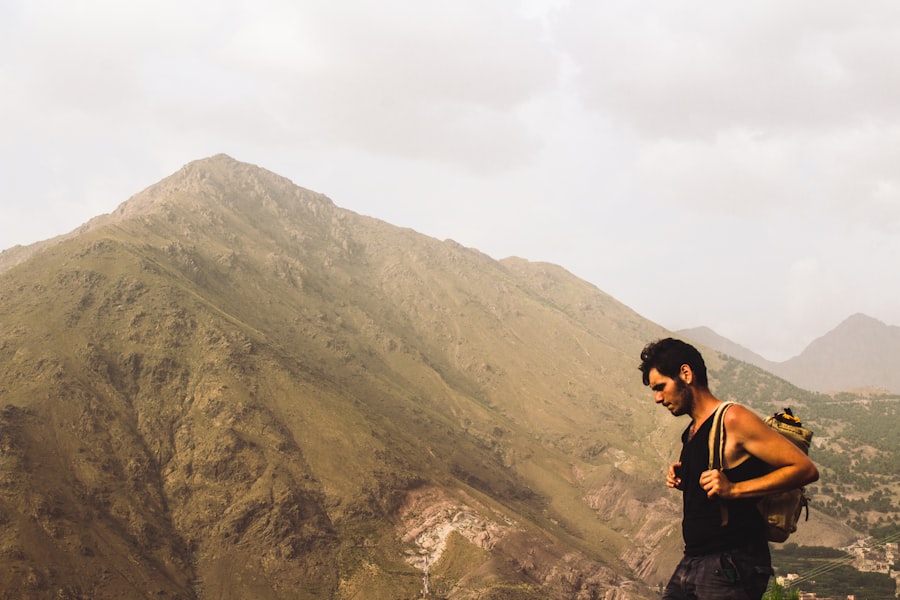
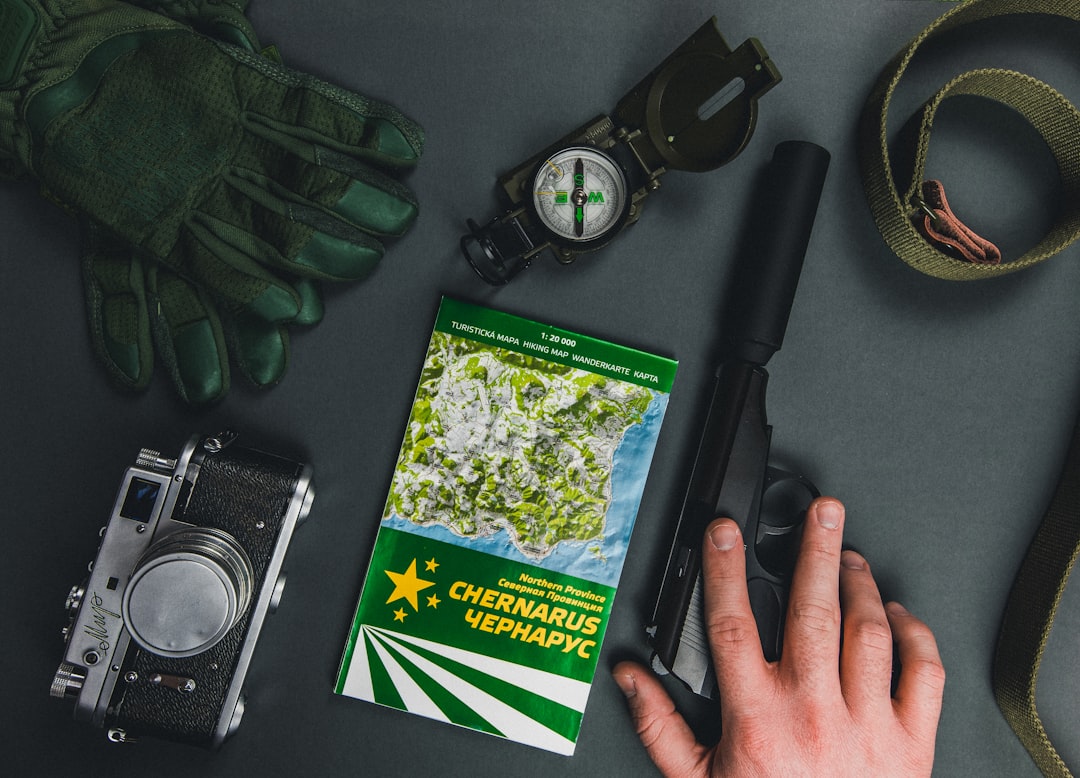
Navigating through unfamiliar terrain is an essential skill that I have developed over time. Relying on traditional maps and compasses has taught me the importance of understanding my surroundings and being aware of landmarks. In today’s digital age, it’s easy to become overly reliant on technology; however, I’ve learned that having basic navigation skills can be lifesaving if devices fail or become unusable.
In addition to navigation, signaling for help is another critical aspect of survival that I prioritize. Knowing how to create visible signals—such as smoke from a fire or reflective surfaces—can attract attention when needed most. I’ve practiced using whistles or mirrors as signaling devices, understanding that sound and light can travel far in the right conditions.
These skills not only enhance my chances of rescue but also instill confidence in my ability to communicate effectively in emergencies.
Foraging for Food
Foraging for food is an intriguing skill that has expanded my understanding of nature’s offerings. I’ve spent time learning about edible plants, berries, and nuts that can be found in various environments. This knowledge not only enhances my survival skills but also deepens my appreciation for the natural world around me.
Identifying safe food sources can be both rewarding and empowering during extended outdoor trips. However, foraging requires caution and knowledge; not all plants are safe to consume. I’ve invested time in studying local flora and attending workshops to ensure that I can differentiate between edible and toxic species.
This skill has proven useful during camping trips when food supplies run low or when I want to supplement my meals with fresh ingredients from nature. The ability to forage adds another layer of self-sufficiency to my outdoor experiences.
Mental Toughness and Resilience
Mental toughness is perhaps one of the most critical components of survival that I have come to appreciate deeply. The ability to remain calm under pressure and maintain focus during challenging situations is essential for overcoming obstacles. Throughout my experiences, I’ve learned that resilience is built through practice and exposure to discomfort.
Pushing myself beyond my comfort zone has allowed me to develop a stronger mindset. I often remind myself that setbacks are part of any journey; it’s how I respond to them that truly matters. Cultivating a positive attitude and maintaining perspective during difficult times has helped me navigate challenges more effectively.
Whether facing harsh weather conditions or unexpected emergencies, mental resilience enables me to adapt and find solutions rather than succumbing to despair. This inner strength not only benefits me but also inspires those around me to persevere through adversity. In conclusion, preparedness encompasses various skills and mindsets that are essential for navigating life’s uncertainties.
From building a bug-out bag to mastering survival techniques like finding water and creating shelter, each aspect contributes to my overall readiness for any situation. As I continue on this journey of learning and growth, I remain committed to honing these skills while fostering mental toughness and resilience—qualities that will serve me well in all aspects of life.
If you’re interested in exploring more about survival techniques and preparedness, particularly from a Canadian perspective, you might find the content at Survival Leader quite enlightening. For instance, they have an article that could serve as a great complement to the typical discussions found on Canadian Prepper’s platform. You can read more about survival strategies and tips by visiting this article on their website. It delves into various aspects of survivalism that are crucial for both beginners and seasoned preppers alike.
FAQs
What is a Canadian Prepper?
A Canadian prepper is someone who actively prepares for potential emergencies or disasters that could occur in Canada. This may include stockpiling food and supplies, learning survival skills, and developing emergency plans.
What are some common items that Canadian preppers stockpile?
Common items that Canadian preppers may stockpile include non-perishable food, water, first aid supplies, flashlights, batteries, blankets, and tools for self-sufficiency.
What are some potential emergencies or disasters that Canadian preppers prepare for?
Canadian preppers may prepare for a range of emergencies and disasters, including extreme weather events such as blizzards and ice storms, power outages, wildfires, and other natural disasters.
What are some survival skills that Canadian preppers may learn?
Canadian preppers may learn survival skills such as fire starting, shelter building, foraging for wild edibles, navigation, and first aid.
Are there any specific laws or regulations in Canada related to prepping?
In Canada, there are no specific laws or regulations that prohibit prepping or stockpiling supplies for emergencies. However, individuals should be aware of any regulations related to firearms, food storage, and other relevant areas.