
In the realm of outdoor adventures, few items are as versatile and essential as the camping tarp. This unassuming piece of gear, often overlooked in favor of more complex equipment, serves as a reliable companion for campers, hikers, and survivalists alike. A camping tarp is essentially a large sheet of waterproof material that can be used for a multitude of purposes, from providing shelter against the elements to serving as a ground cover or even a makeshift hammock.
Its lightweight and compact nature make it an ideal addition to any outdoor enthusiast’s kit, ensuring that you are prepared for whatever Mother Nature may throw your way. As we delve deeper into the world of camping tarps, it becomes clear that their utility extends far beyond mere convenience; they are a crucial component of any emergency preparedness plan. The ultimate camping tarp is not just a simple piece of fabric; it embodies the spirit of adaptability and resilience that is essential for outdoor survival.
Whether you find yourself caught in an unexpected downpour or need to shield yourself from the scorching sun, a well-chosen tarp can provide immediate relief and protection. Moreover, its multifunctionality allows it to serve various roles, such as a windbreak, a sunshade, or even a signaling device in dire situations. As we explore the myriad benefits and applications of camping tarps, it is essential to recognize their significance in enhancing your outdoor experience while also ensuring your safety and comfort in emergencies.
Key Takeaways
- A camping tarp is an essential piece of gear for outdoor enthusiasts, providing versatile shelter and protection from the elements.
- Using a camping tarp for emergency shelter offers benefits such as lightweight portability, quick setup, and reliable protection from rain, wind, and sun.
- When choosing a camping tarp, consider factors such as size, material, weight, and additional features like grommets, guy lines, and reflective elements.
- Setting up a camping tarp for emergency shelter requires knowledge of basic knots, tarp configurations, and proper anchoring techniques to ensure stability and protection.
- To maintain and care for your camping tarp, regularly inspect for damage, clean as needed, and store properly to prolong its lifespan and effectiveness.
- In emergency situations, a camping tarp can be used for alternative purposes such as signaling for help, collecting rainwater, creating a makeshift stretcher, and more.
- Having a camping tarp for emergency shelter is crucial for outdoor safety and preparedness, providing reliable protection and versatility in various situations.
Benefits of Using a Camping Tarp for Emergency Shelter
One of the primary advantages of utilizing a camping tarp for emergency shelter is its ability to provide immediate protection from the elements. In situations where traditional tents may be impractical or unavailable, a tarp can be quickly deployed to create a makeshift shelter that shields you from rain, wind, and snow. The lightweight nature of tarps allows for easy transport, making them an ideal choice for backpackers and hikers who may find themselves in precarious situations.
When time is of the essence, the ability to set up a tarp quickly can mean the difference between staying dry and comfortable or becoming soaked and exposed to the elements. In addition to its protective qualities, a camping tarp also offers significant versatility in terms of configuration. Unlike rigid tents that require specific setups, tarps can be arranged in various ways to suit your immediate needs and the surrounding environment.
For instance, you can create an A-frame shelter for maximum wind resistance or a simple lean-to for quick coverage. This adaptability not only enhances your comfort but also allows you to make the most of your surroundings, whether you are nestled among trees or on an open hillside. Furthermore, using a tarp as an emergency shelter can help conserve energy and resources, as it requires minimal setup time and can be easily packed away when no longer needed.
Choosing the Right Camping Tarp for Your Needs
Selecting the appropriate camping tarp involves considering several factors that align with your specific outdoor activities and potential emergency scenarios. First and foremost, the size of the tarp is crucial; it should be large enough to accommodate you and any gear you may need to protect but not so cumbersome that it becomes difficult to carry. Tarps come in various dimensions, so assessing your typical camping group size and the amount of gear you usually bring along will help you make an informed decision.
Additionally, consider the weight of the tarp itself; ultralight options are available for those who prioritize packability, while heavier-duty tarps may offer enhanced durability for more rugged conditions. Material composition is another vital aspect to consider when choosing a camping tarp. Most tarps are made from either polyethylene or nylon, each offering distinct advantages.
Polyethylene tarps are generally more affordable and provide excellent waterproofing but may not be as durable as their nylon counterparts. On the other hand, nylon tarps tend to be lighter and stronger but can be more expensive. Furthermore, look for features such as reinforced corners, grommets for easy tie-downs, and UV resistance if you plan on using your tarp in sunny conditions.
By carefully evaluating these factors, you can select a camping tarp that not only meets your immediate needs but also stands the test of time through countless outdoor adventures.
Setting Up Your Camping Tarp for Emergency Shelter
| Step | Description |
|---|---|
| 1 | Choose a suitable location for your tarp shelter |
| 2 | Clear the area of any debris or sharp objects |
| 3 | Set up the tarp using trees, poles, or trekking poles |
| 4 | Secure the tarp with guy lines and stakes |
| 5 | Adjust the tarp for proper tension and water runoff |
| 6 | Test the shelter for stability and make any necessary adjustments |
When it comes to setting up your camping tarp for emergency shelter, efficiency and effectiveness are key. The first step is to identify a suitable location that offers natural protection from wind and rain while also providing enough space for your tarp setup. Look for flat ground free from debris or sharp objects that could damage your tarp or cause discomfort while you rest beneath it.
Once you’ve found an appropriate spot, it’s time to unpack your tarp and prepare for setup. If your tarp has multiple tie-out points, consider which configuration will best suit the conditions you are facing—whether it’s a simple overhead cover or a more complex structure like a diamond fly. To secure your tarp effectively, you’ll need some form of cordage or rope along with stakes or heavy objects to anchor it down.
Begin by attaching one end of your cord to a sturdy tree branch or other anchor point above you, then stretch the tarp out beneath it. Use additional cords to secure the corners of the tarp to stakes driven into the ground or heavy rocks placed on top of them. This will create tension across the tarp’s surface, allowing rainwater to run off rather than pooling in low spots.
Remember that adjusting the height and angle of your tarp can significantly impact its performance; angling it downward toward prevailing winds can help deflect rain while providing adequate coverage.
Tips for Maintaining and Caring for Your Camping Tarp
Proper maintenance and care of your camping tarp are essential for ensuring its longevity and effectiveness during outdoor excursions. After each use, take the time to clean your tarp thoroughly by shaking off any dirt or debris and wiping it down with a damp cloth if necessary. Avoid using harsh chemicals or abrasive materials that could damage the fabric; instead, opt for mild soap and water if deeper cleaning is required.
Once cleaned, allow your tarp to dry completely before packing it away to prevent mold and mildew growth that can compromise its integrity over time. Storage is another critical aspect of tarp care; always store your camping tarp in a cool, dry place away from direct sunlight when not in use. Prolonged exposure to UV rays can weaken the material and lead to premature wear.
Additionally, consider using a stuff sack or compression bag designed specifically for tarps to keep it compact and protected during transport. Regularly inspect your tarp for signs of wear or damage, such as frayed edges or punctures; addressing these issues promptly will help extend its lifespan and ensure that it remains ready for action when you need it most.
Alternative Uses for a Camping Tarp in Emergency Situations
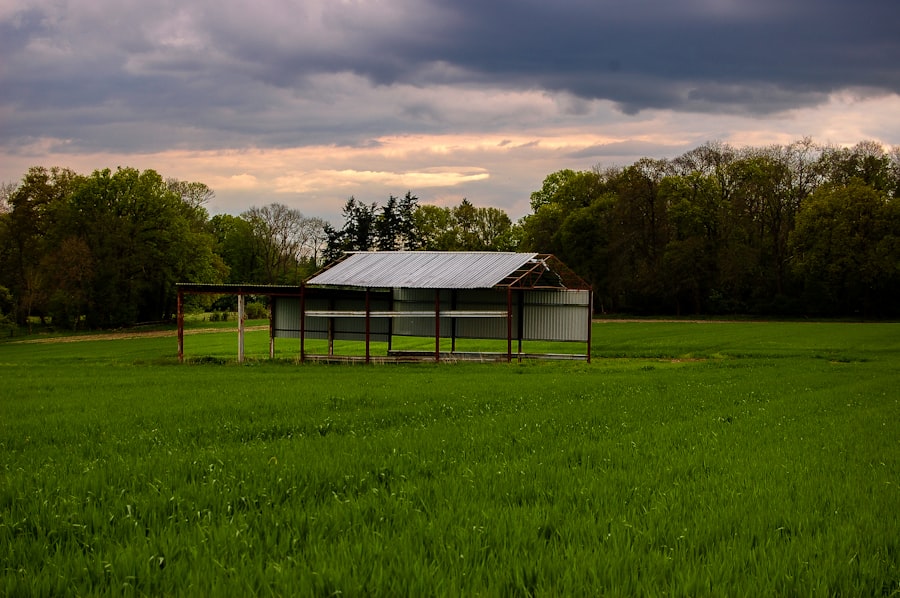
Beyond its primary function as an emergency shelter, a camping tarp boasts numerous alternative uses that can prove invaluable in various situations. For instance, in addition to providing cover from rain or sun, a tarp can serve as an effective ground cover when setting up camp. By laying it down beneath your sleeping area or cooking space, you can create a barrier against moisture and dirt while also protecting your gear from potential damage.
This added layer of protection can enhance your overall camping experience by keeping your belongings clean and dry. Moreover, tarps can be utilized creatively in survival scenarios where resources are limited. For example, they can be fashioned into improvised rafts for crossing small bodies of water by inflating them with air or using them as flotation devices in emergencies.
Additionally, if you find yourself in need of signaling assistance, bright-colored tarps can be used as visual signals to attract attention from rescuers or fellow campers. The versatility of camping tarps extends far beyond mere shelter; their multifunctional nature makes them an indispensable tool in any outdoor enthusiast’s arsenal.
The Importance of Having a Camping Tarp for Emergency Shelter
In conclusion, the camping tarp stands out as an essential piece of gear that every outdoor adventurer should consider incorporating into their kit. Its ability to provide immediate shelter from unpredictable weather conditions makes it an invaluable asset during emergencies when traditional options may not be available. The lightweight design and versatility allow campers to adapt their setups based on specific needs and environmental factors, ensuring comfort and safety regardless of circumstances.
Furthermore, with proper care and maintenance, a quality camping tarp can last through countless adventures while serving multiple purposes beyond just shelter. Ultimately, investing in a reliable camping tarp is not merely about convenience; it is about preparedness and resilience in the face of nature’s unpredictability. Whether you’re embarking on a weekend camping trip or venturing into remote wilderness areas, having a camping tarp at your disposal can significantly enhance your experience while providing peace of mind knowing that you are equipped to handle whatever challenges may arise.
As we continue to explore the great outdoors, let us not overlook this simple yet powerful tool that embodies the spirit of adventure and survival—one that ensures we remain sheltered and secure amidst nature’s vast expanse.
For those interested in enhancing their outdoor survival skills, particularly in building emergency shelters, a relevant article can be found on Survival Leader. The article provides insightful tips and techniques on how to effectively use a camping shelter tarp in emergency situations. This can be crucial knowledge for anyone looking to improve their preparedness for unexpected outdoor scenarios. You can read more about this topic and explore other survival strategies by visiting Survival Leader.
FAQs
What is an emergency survival camping shelter tarp?
An emergency survival camping shelter tarp is a lightweight, waterproof, and durable tarp that is designed to provide shelter and protection from the elements during outdoor activities such as camping, hiking, and survival situations.
What are the uses of an emergency survival camping shelter tarp?
An emergency survival camping shelter tarp can be used to create a temporary shelter, protect gear from rain and sun, create a ground cover, and provide shade. It can also be used as a makeshift stretcher, rain poncho, or signaling device in emergency situations.
What are the features to look for in an emergency survival camping shelter tarp?
When choosing an emergency survival camping shelter tarp, look for features such as waterproof and UV-resistant material, reinforced grommets for easy setup, lightweight and compact design for easy portability, and versatile size and shape options for different shelter configurations.
How to set up an emergency survival camping shelter tarp?
To set up an emergency survival camping shelter tarp, find a suitable location with sturdy anchor points such as trees or poles. Use paracord or guy lines to secure the tarp and create a taut shelter. Adjust the tarp’s shape and orientation to provide maximum protection from the wind, rain, and sun.
How to maintain and care for an emergency survival camping shelter tarp?
To maintain an emergency survival camping shelter tarp, regularly inspect for any tears, punctures, or wear and tear. Clean the tarp with mild soap and water, and allow it to fully dry before storing. Store the tarp in a cool, dry place away from direct sunlight to prevent damage from UV exposure.