Embracing Urban Resilience: A Modern Prepper’s Journey
I’ve always considered myself a pragmatist, someone who believes in being ready for whatever life throws my way. Living in the heart of a bustling city, it’s easy to get lulled into a false sense of security. The constant hum of traffic, the readily available services, the seemingly endless flow of goods – it all creates an illusion of invincibility. Yet, beneath this veneer of modernity, I know vulnerabilities exist. That’s why I’ve dedicated myself to understanding and practicing what I call “City Prepping,” a tailored approach to emergency preparedness for those of us navigating the unique challenges of an urban environment. It’s not about doomsday scenarios, but about practical, achievable steps that empower me to protect myself and my loved ones when the unexpected inevitably arrives. I’ve learned a lot over the years, and even after five years, if I were starting over, there are definitely things I’d do differently – a sentiment I’ve heard echoed in discussions with other preppers, notably in videos like “After 5 Years, Here’s What I’d Do Differently” from City Prepping, which regularly gets highlighted in shows like The Urban Prepper Daily Briefing.
Understanding the Urban Landscape of Risk
My journey into city prepping really began with a critical assessment of my surroundings. Unlike rural dwellers, I don’t have acres of land for growing food or access to natural water sources just outside my back door. My proximity to millions of others means that any widespread disruption, whether a natural disaster, an infrastructure failure, or a societal upheaval, will amplify its effects exponentially. The sheer density of population, the reliance on complex, interconnected systems, and the potential for rapid resource depletion are all factors I must meticulously consider. The recent discussions around Pentagon guidance for U.S. bases to operate 90 days independently, and similar European preparedness moves, have really hammered home the idea that even large, well-resourced organizations are planning for extended periods of self-sufficiency. I view these as case studies, translating their institutional insights into household-level preparedness for power, water, food, communications, and medicine.
The Interconnected Web of Urban Infrastructure
One of the most striking realizations for me has been just how utterly dependent my city life is on a delicate balance of interconnected systems. Think about it: electricity powers everything from my refrigerator to the traffic lights; municipal water flows through pipes from distant reservoirs; vast logistical networks bring food to grocery stores daily; and communication relies on a complex web of towers, cables, and satellites. If one of these pillars falters, the ripple effect can be catastrophic. A prolonged power outage isn’t just an inconvenience; it can mean no running water (as pumps stop), no refrigeration, no functional ATMs, and a breakdown in communication. I’ve heard a lot of recent talk about realistic “grid-down” planning, including the role of solar and home batteries, which I see as a truly practical, modern approach to urban and suburban resilience. This isn’t about expecting the worst, but preparing for the most plausible and impactful disruptions.
Identifying Unique Urban Threats
Beyond general infrastructure failures, cities present their own specific set of threats. High-rise buildings can become death traps during earthquakes or fires. Public transportation systems, while efficient, can become chokepoints during emergencies. The concentration of people can lead to rapid spread of disease or civil unrest if essential services fail. Crime rates, already a concern, can escalate dramatically in a crisis. These are not meant to induce fear, but rather to inform my preparedness strategy. Knowing the particular vulnerabilities of my urban environment allows me to prioritize my efforts and invest in solutions that are most relevant to my immediate surroundings. I keep a close eye on local news and emergency alerts, understanding that localized events can quickly escalate.
As cities increasingly face the challenges posed by natural disasters and other emergencies, the importance of urban preparedness has never been more critical. A related article that delves into effective strategies for city prepping can be found at Survival Leader. This resource provides valuable insights on how urban dwellers can equip themselves and their communities to better withstand potential crises, ensuring safety and resilience in the face of uncertainty.
Building a Resilient Urban Home: Essential Supplies and Skills
My approach to city prepping isn’t about hoarding or creating a bunker mentality; it’s about intelligent resource management and skill development. It’s about having what I need to sustain myself and my family for a reasonable period, and the knowledge to adapt when circumstances change. For anyone new to prepping, especially in an urban setting, I highly recommend watching videos like “New to Prepping? Don’t Buy Anything Yet” from City Prepping, which was released on November 18, 2026. It’s aimed at absolute beginners and offers excellent advice on starting wisely without wasting money. They also promote a free “Get Started Guide” which is an invaluable resource for new urban and suburban preppers, helping them navigate those crucial first steps.
Water: The Ultimate Priority
If there’s one thing I’ve learned, it’s that water is king. I can go without food for weeks, but a few days without water can be deadly. My primary goal is to have a minimum of one gallon of water per person, per day, for at least three days. However, given the potential for extended outages in a city, I aim for much more – closer to two weeks’ worth if space allows. This means I store bottled water in cool, dark places, and also have reliable filtration and purification methods.
Storage and Purification Strategies
I primarily store water in sturdy, food-grade containers. Some are commercially bottled, others are large five-gallon jugs I rotate regularly. I also fill my bathtubs with water at the first sign of an impending major storm or crisis. But storage isn’t enough; I also need ways to make found water safe. My kit includes a high-quality water filter, capable of removing bacteria and protozoa, and water purification tablets for viruses. I also keep a supply of bleach (unscented, regular household bleach) with instructions on how to use it for water purification. Knowing how to boil water to make it safe is also a fundamental skill I practice, though it requires a heat source.
Water for Sanitation and Hygiene
Beyond drinking, I also plan for water needs for sanitation. Flushing toilets requires water, as does basic hygiene. I keep a separate supply of non-potable water, perhaps collected rainwater or stored greywater, for these purposes. Hand sanitizer, wet wipes, and biodegradable soap are also staples in my emergency kit, recognizing that regular access to running water for washing may be limited.
Food: Sustainable and Smart
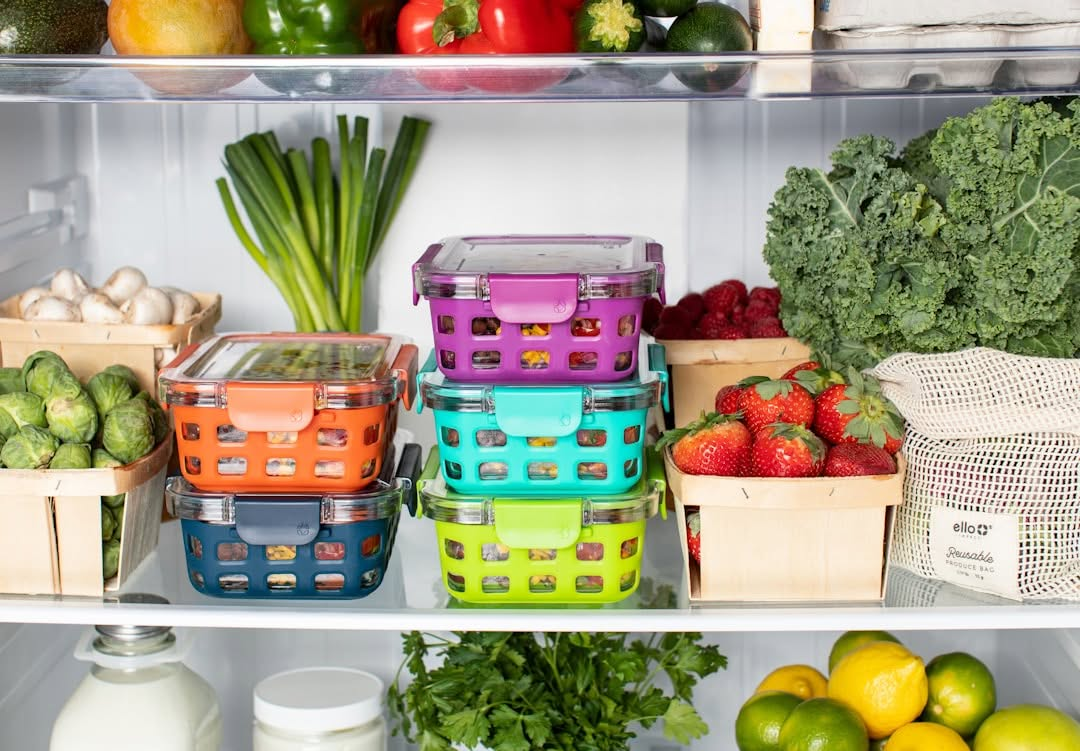
My food strategy focuses on shelf-stable, calorie-dense foods that require no cooking or minimal preparation, and don’t need refrigeration. I aim for at least a week’s supply, preferably two weeks to a month. Canned goods, dried fruits, nuts, granola bars, and freeze-dried meals form the core of my pantry. I rotate my stock regularly, eating items before they expire and replacing them, preventing waste.
Non-Perishable Food Choices
When selecting my emergency food, I prioritize items with a long shelf life and high nutritional value. Canned beans, vegetables, and meats are excellent. Peanut butter is a fantastic source of protein and calories. Rice and pasta, while requiring cooking, are good staples if I have a reliable heat source. I also include comfort foods – chocolate or hard candies – because morale is a crucial, often overlooked, aspect of preparedness.
Cooking Alternatives and Heating Food
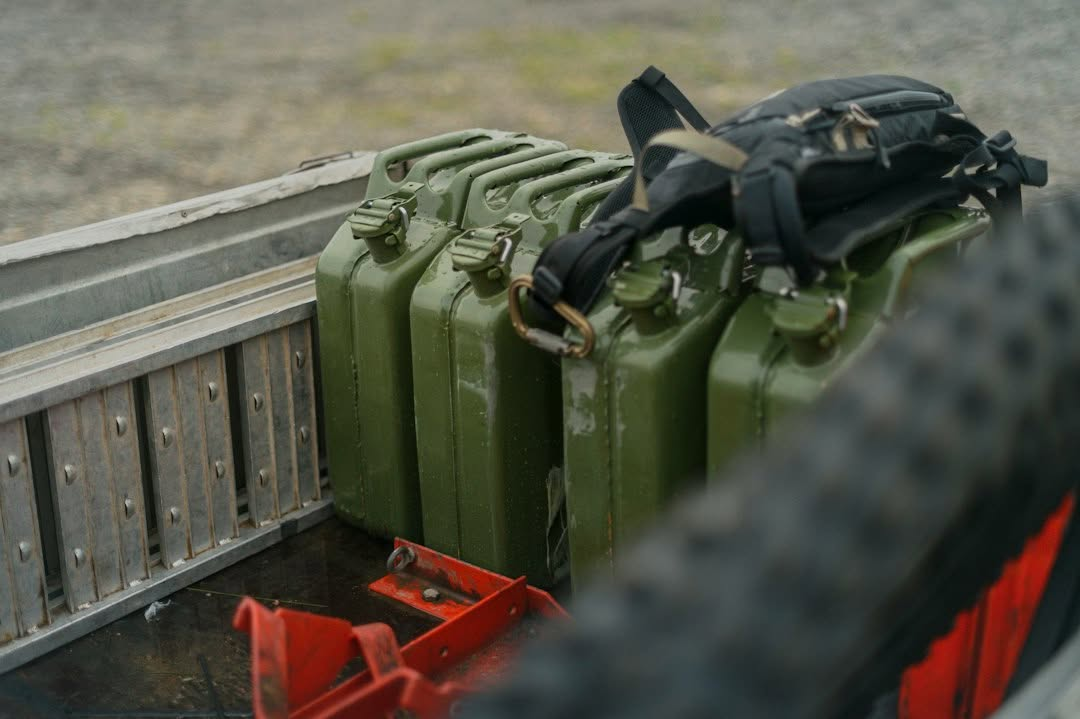
In a grid-down scenario, my electric stove will be useless. I’ve invested in a small, portable camping stove that uses propane or butane canisters. I store a good supply of fuel for it in a safe, well-ventilated area. I also have a solar oven, which works well on sunny days but can be slow. My preparedness for heating and cooking also includes knowing how to safely use a hobo stove if necessary, crafted from readily available materials, but always with extreme caution indoors regarding ventilation.
Power and Communications: Staying Connected and Informed
In a modern urban setting, a loss of power is perhaps the most disruptive event. It impacts everything. My goal is to maintain basic power for essential devices and to have multiple ways to communicate and stay informed. I’ve taken inspiration from recent interviews with City Prepping’s founder, Kris, who outlines practical grid-down plans that incorporate solar and home batteries, acknowledging these as key to urban and suburban resilience.
Backup Power Solutions
My primary backup power is a combination of portable power banks for charging phones and small electronics, and a solar charger. I also have a hand-crank or solar-powered radio for news and emergency broadcasts. For lighting, I rely on LED lanterns and headlamps with a generous supply of extra batteries. I avoid candles due to fire risk, especially in a dense urban environment. For larger power needs, I’m exploring a small, portable power station that can run essential appliances for a limited time, charging it via solar panels.
Communication in a Crisis
My cell phone is my primary communication tool, but I understand it may fail. I keep a list of important phone numbers written down, as I won’t be able to access them digitally without power. A battery-powered or hand-crank NOAA weather radio is essential for official alerts. I also have a family communication plan, including an out-of-state contact who can serve as a central message relay if local networks are down. Some preppers even explore GMRS or HAM radios for longer-range communication, but that’s a more advanced step I’m still researching.
Expanding Your Prepping Footprint: Beyond the Basics
Once the foundational elements of water, food, and basic power are established, I turn my attention to expanding my preparedness to address a broader range of potential challenges. This includes medical readiness, personal security, and important documents. I’m always learning, and the continuous updates from the prepping community are invaluable. For instance, City Prepping is re-launching an updated version of its “Prepper’s Roadmap” course (v2), with enrollment opening Monday, November 23. I’m keen to see what new insights and strategies are included in that.
Medical Preparedness: Health and Hygiene
A well-stocked first-aid kit is non-negotiable. Beyond that, I consider how I would manage minor injuries or illnesses without immediate access to professional medical care. This also extends to maintaining hygiene to prevent the spread of disease.
Comprehensive First-Aid Kit
My first-aid kit is much more extensive than a standard off-the-shelf version. It includes bandages, antiseptic wipes, pain relievers, allergy medication, antacids, anti-diarrhea medication, sterile gauze, medical tape, scissors, tweezers, and any essential prescription medications I or my family members rely on (with a minimum two-week supply). I also keep a first-aid manual and refresh my knowledge of basic first aid and CPR regularly.
Sanitation and Hygiene Practices
Maintaining hygiene in a crisis is paramount to preventing illness. Besides hand sanitizer and wet wipes, I store garbage bags for waste disposal, bleach for disinfecting surfaces, and a supply of feminine hygiene products. If water is scarce, I plan for alternative ways to maintain personal cleanliness, like sponge baths. Waste management is also critical in an urban setting; having a plan for human waste (e.g., a “bucket toilet” with kitty litter or sawdust) is essential if plumbing fails.
Personal Security in an Urban Environment
Security is a sensitive but crucial topic, particularly in a city where population density can exacerbate tensions during a crisis. My approach is rooted in deterrence and defense, not aggression. It’s about being aware and protected.
Home Security Enhancements
My home security begins with basic measures: strong locks on all doors and windows, and a reliable alarm system. I also ensure my windows have blinds or curtains for privacy. During an extended emergency, light discipline (avoiding unnecessary lights at night) can be a security measure. I’ve also considered less conventional deterrents like motion-activated lighting outside my apartment.
Self-Defense and Awareness
I’ve taken self-defense classes to learn basic techniques and improve my situational awareness. Knowing how to de-escalate a potentially dangerous situation is as important as knowing how to defend myself physically. I also keep non-lethal self-defense tools, such as pepper spray, readily accessible. My focus is always on avoiding confrontation first and foremost.
Essential Documents and Financial Resilience
In the chaos of an emergency, being able to access critical information and financial resources can make a significant difference. I keep copies of important documents and ensure I have some financial flexibility.
Copies of Vital Records
I maintain a waterproof, fireproof bag containing copies of essential documents: birth certificates, passports, marriage licenses, insurance policies, property deeds, and medical records. A digital copy, encrypted and stored on a cloud service, also serves as a backup, assuming I can access it.
Emergency Cash and Bartering Skills
While credit cards and digital payments are convenient, they rely on electricity and functioning networks. I keep a supply of small denomination cash on hand, hidden in a secure location. This emergency fund is crucial for immediate needs if ATMs are down or businesses can only accept cash. Additionally, I consider what skills or goods I might have that could be valuable for bartering in a long-term grid-down scenario – practical skills like basic repairs, gardening knowledge, or even just having extra supplies of things like batteries or toiletries.
The Mental Game: Mindset and Community
For me, city prepping is as much about mental resilience as it is about physical supplies. A prepared mindset, coupled with a strong community network, forms the bedrock of true preparedness. No amount of gear can compensate for panic or isolation.
Cultivating a Prepared Mindset
Remaining calm, rational, and adaptable in a crisis is a skill that needs to be developed. I consciously work on this by staying informed, practicing my emergency plans, and visualizing potential scenarios. This isn’t about dwelling on negativity but about mental rehearsal.
Realistic Expectations and Adaptability
I understand that no plan is perfect, and every emergency will present unique challenges. My goal isn’t to control every variable, but to develop the flexibility to adapt. This means being willing to change plans, improvise, and make the best decisions with the information available. I’ve learned to accept that there will be discomfort, and to focus on problem-solving rather than despair.
Managing Stress and Anxiety
The potential for stress and anxiety during an emergency is immense. I practice mindfulness and stress-reduction techniques in my daily life to build my emotional reserves. Having a plan, knowing my family is as prepared as possible, and focusing on actionable steps helps to mitigate feelings of helplessness. I also ensure my emergency kit includes comfort items for children or even myself – a book, a game, or a favorite toy.
Building a Local Preparedness Network
While individual preparedness is important, I believe true resilience in a city comes from community. I can’t be an island, and neither can my neighbors.
Neighborly Connections and Mutual Aid
I’ve made an effort to get to know my immediate neighbors, exchanging contact information and discussing emergency plans. Knowing who has medical skills, who might have specific tools, or who needs extra assistance (like the elderly or those with disabilities) can be invaluable. I envision a system of mutual aid, where we can rely on each other in times of need.
Participating in Community Preparedness Initiatives
Many cities have official emergency preparedness programs or community-led initiatives. I seek these out and participate where I can, learning from local experts and contributing my own insights. These connections can provide access to resources and information that wouldn’t be available to me alone. Being part of a larger network strengthens everyone’s resilience.
As cities increasingly focus on resilience and preparedness, it’s essential to consider how different demographics, including seniors, can effectively navigate potential challenges. A related article that offers valuable insights is titled “Senior Survival: Essential Tips for Thriving in Your Golden Years,” which provides practical advice tailored for older adults. You can read it here. Understanding these strategies can help ensure that all community members are equipped to face emergencies and maintain their well-being in urban environments.
Continuous Learning and Practice: The Prepper’s Journey
| Metric | Description | Typical Values | Importance Level |
|---|---|---|---|
| Water Storage Capacity | Amount of potable water stored per person (in liters) | 30-50 liters per day for 14 days | High |
| Food Supply Duration | Number of days of non-perishable food stored | 14-30 days | High |
| First Aid Supplies | Basic medical supplies including bandages, antiseptics, and medications | 1 comprehensive kit per household | High |
| Emergency Power Sources | Backup power options such as batteries, solar chargers, or generators | 1-2 power sources per household | Medium |
| Communication Devices | Radios, walkie-talkies, or other devices for emergency communication | At least 1 device per household | Medium |
| Self-Defense Tools | Non-lethal or legal self-defense items | Varies by local laws | Low to Medium |
| Evacuation Plan | Pre-planned routes and meeting points for emergencies | 1 plan per household | High |
| Sanitation Supplies | Items for hygiene and waste management | 14 days worth per person | High |
| Cash Reserves | Physical cash for emergencies when electronic payments fail | Enough for 1-2 weeks of essentials | Medium |
Prepping is not a one-time event; it’s an ongoing journey of learning, refinement, and practice. The world changes, technology evolves, and new threats emerge. My commitment is to stay current and continuously improve my readiness.
Staying Informed and Updating Strategies
I regularly consume information from reputable sources, including emergency management agencies and dedicated preparedness channels like City Prepping. The “Prepper Daily” briefings and news roundups are excellent for keeping me updated on the latest trends and advice. I reflect on what I’ve learned and how it impacts my current plans.
Reviewing and Rotating Supplies
At least twice a year, I conduct a thorough review of my emergency supplies. I check expiration dates on food and medicine, test batteries, refill water containers, and ensure all my gear is in working order. This rotation ensures freshness and prevents items from becoming unusable. It’s also an opportunity to assess if my current supplies still meet my anticipated needs.
Practicing Emergency Drills
Knowing I have a plan is one thing; actually practicing it is another. I conduct family emergency drills, practicing escape routes, meeting points, and communication protocols. We simulate power outages by turning off the main breaker for a few hours and living solely on our emergency supplies and lighting. These drills expose weaknesses in my plan and build confidence.
The Evolution of City Prepping
My journey as a city prepper has been one of continuous evolution. From a basic awareness of potential threats to a comprehensive strategy encompassing supplies, skills, and community, I’ve learned that resilience is a layered concept. The constant flow of new information, such as the upcoming updated version of City Prepping’s “Prepper’s Roadmap” course, reinforces the idea that preparedness is dynamic, not static. I am committed to being a proactive participant in my own safety, leveraging modern tools and knowledge to thrive in my urban environment, no matter what challenges may arise. My goal is not just to survive, but to be able to help others survive and rebuild, fostering a stronger, more resilient community for us all.
FAQs
What is city prepping?
City prepping refers to the practice of preparing for emergencies and disasters while living in an urban environment. This involves creating plans, gathering supplies, and developing skills to ensure safety and sustainability in case of natural disasters, economic collapse, or other crises that may affect city life.
Why is city prepping important?
City prepping is important because urban areas can be particularly vulnerable to various risks, including natural disasters, civil unrest, and infrastructure failures. By being prepared, individuals and communities can enhance their resilience, reduce panic during emergencies, and improve their chances of survival and recovery.
What are some essential supplies for city prepping?
Essential supplies for city prepping typically include non-perishable food, clean water, first aid kits, flashlights, batteries, multi-tools, personal hygiene items, and important documents. Additionally, having a communication plan and a means of transportation can be crucial in emergencies.
How can individuals start city prepping?
Individuals can start city prepping by assessing their specific risks and needs, creating an emergency plan, and gradually building a supply kit. Joining local preparedness groups or attending workshops can also provide valuable information and support for effective prepping in an urban setting.
Are there community resources available for city prepping?
Yes, many cities offer community resources for prepping, including workshops, training sessions, and local emergency management programs. Additionally, online forums and social media groups can connect individuals with others interested in urban preparedness, sharing tips and resources.