Laying the Groundwork: Why I Prioritize Emergency Preparedness
I’ve always been one to observe, to consider the “what ifs.” In a world that often feels unpredictable, I’ve come to understand that taking proactive steps for emergency preparedness isn’t about paranoia, but about a deep-seated desire to protect myself and those I care about. It’s about empowering myself to face unforeseen challenges with resilience and resourcefulness, rather than being left helpless. When I think about the potential for natural disasters, extended power outages, or even localized disruptions, I know that hoping for the best isn’t enough; I need to actively prepare for potential worst-case scenarios. My approach isn’t about building an underground bunker or becoming a wilderness expert overnight, but rather about a sensible, systematic accumulation of supplies, knowledge, and skills that can make a tangible difference when emergencies strike. The current expert advice resonates deeply with me: starting with a foundational 72-hour kit and then gradually expanding allows me to build my preparedness without feeling overwhelmed or financially strained. It’s a journey, not a sprint, and every small step I take instills a greater sense of security and control.
My Initial Focus: The 72-Hour Foundation
When I first started thinking seriously about emergency preparedness, the sheer volume of information was a bit daunting. However, I quickly learned that the most critical first step, advocated by nearly all government and civil-defense agencies, is to aim for at least three days of essential supplies. This 72-hour kit, or “go bag,” is the cornerstone of my personal preparedness plan. I envision it as a life raft, designed to provide immediate necessities should I need to evacuate quickly or shelter in place for a short period without external support. It’s a manageable goal, both financially and logistically, and it provides a fantastic starting point from which I can build upon. I’ve focused on creating a grab-and-go bag that is easily accessible and contains everything I would need for those crucial first three days, knowing that this initial investment will pay dividends in peace of mind.
Expanding My Horizon: Beyond Three Days
Once I felt confident in my 72-hour provisions, I began to consider how I could extend my preparedness to cover longer durations. The goal, as I understand it, is to gradually build up my supplies to last weeks, or even months, as my budget and available space allow. This longer-term approach isn’t about impulse buying or panic stockpiling; instead, it’s about a steady, thoughtful accumulation. I add a few extra shelf-stable food items to my cart during each grocery trip, or perhaps invest in a more robust water purification system when I have some disposable income. This measured approach ensures that I’m not only financially responsible but also that I’m building a sustainable and well-organized preparedness system, rather than a chaotic pile of supplies. It’s a continuous process of evaluation, acquisition, and organization, all designed to enhance my resilience for an extended period should the need arise.
For those interested in enhancing their survival prepping skills, a valuable resource can be found in the article titled “Discover Survival Skills Training Near Me for Ultimate Preparedness.” This piece provides insights into various training programs that can help individuals develop essential skills for emergency situations. Whether you are a beginner or looking to refine your expertise, this article offers practical information to guide your journey toward becoming better prepared. You can read the full article here: Discover Survival Skills Training Near Me for Ultimate Preparedness.
Prioritizing My Core Needs: Water, Food, and Medical Essentials
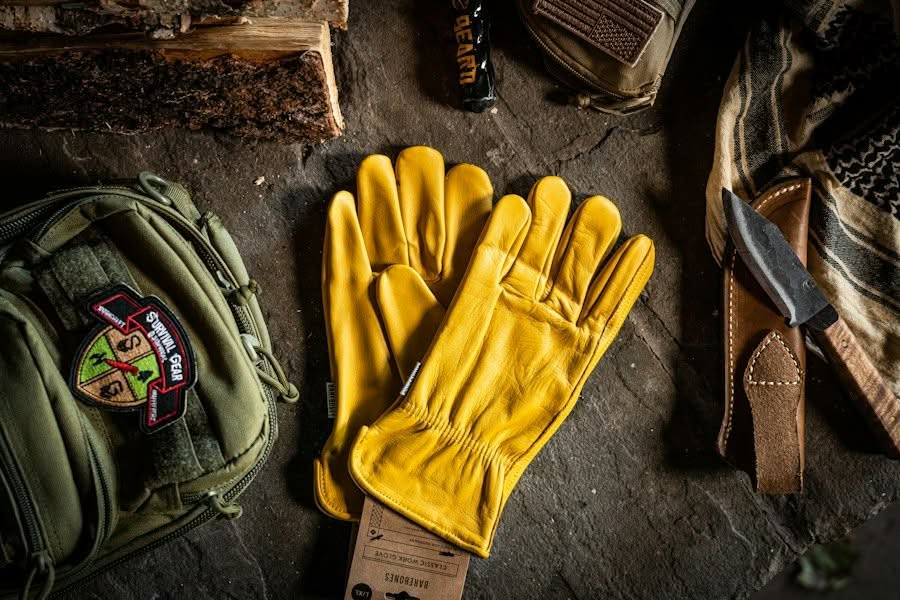
When I think about survival, three things immediately come to mind as absolutely non-negotiable: water, food, and the ability to address medical emergencies. Without these fundamental elements, everything else becomes secondary. My approach to prepping revolves heavily around securing these core needs first, knowing that they form the bedrock of my ability to endure any significant disruption. I’ve spent considerable time researching and implementing strategies to ensure I have reliable access to potable water, calorie-dense and nutritious food, and a comprehensive way to manage health issues, from minor cuts to more serious medical needs that might arise in an emergency.
Securing My Water Supply
I’ve learned that water is, without a doubt, my first priority in any emergency scenario. The human body can go without food for weeks, but dehydration can set in rapidly, leading to serious health complications and quickly incapacitating me. Therefore, my water storage strategy is robust. I aim to store at least one gallon (3-4 liters) of water per person per day. Initially, I focused on a three-day supply for drinking and basic sanitation, which amounted to nine to twelve liters for myself. However, I’ve since expanded that goal significantly, recognizing that many new guides suggest aiming for two weeks of water where possible. This means I’ve invested in larger, food-grade water containers and actively rotate my stored water every six months to a year to ensure freshness.
Beyond simply storing water, I understand the critical importance of having backup purification methods. Bottled water supplies can run out, or I might find myself in a situation where I need to source water from an unreliable external source. For this reason, I’ve added a small, portable water filter to my go-bag and a larger, more robust filter system for my home supplies. Additionally, I keep water purification tablets as a triple-redundancy measure. These methods give me confidence that I can access safe drinking water even if my primary stored supply is exhausted or compromised.
Building My Emergency Food Cache
My approach to emergency food storage is practical and designed for longevity and ease of use. I focus on stockpiling ready-to-eat, no-refrigeration-needed foods that I actually consume in my daily life. This “eat what you store, store what you eat” philosophy is incredibly effective because it ensures I’m familiar with the food, I know I’ll enjoy it, and it simplifies the rotation process. My pantry now includes a good supply of canned goods like vegetables, fruits, and meats; crackers; cereal bars; jars of peanut butter; tinned fish; dried fruit; and staples like rice and beans. These items have a long shelf life and require little to no cooking, which is crucial if I lose power or access to fuel.
I’ve adopted a gradual approach to building my food stocks, adding a few extra items to each normal grocery shop. This method is budget-friendly and prevents me from feeling overwhelmed by the task. I also keep a rotating inventory, making sure to bring older items to the front to be consumed and replacing them with newer purchases. This minimizes waste and keeps my supply fresh. The goal isn’t just quantity, but also variety and nutritional value, ensuring I have enough calories and essential nutrients to maintain my health and energy during a stressful time.
Securing Medications and First Aid Readiness
My personal health and the ability to address injuries or illnesses are paramount, so securing medicines and a comprehensive first-aid kit is a top priority. I maintain a well-equipped first-aid kit in my home, in my car, and a smaller version in my go-bag. These kits are regularly checked and restocked, ensuring that bandages, antiseptic wipes, pain relievers, allergy medication, and any other relevant over-the-counter drugs are always current and available. I consider it a living kit, always ready for use.
Crucially, I also maintain a supply of my prescription medications. Knowing that pharmacies might be inaccessible or unable to operate during a widespread emergency, I aim to keep several days to a week’s supply – or even more, if my doctor and insurance allow – of any critical daily medications. This takes careful planning with my healthcare provider to ensure I have an adequate buffer without over-ordering. I also keep a laminated list of all my medications, dosages, and prescribing doctors within my kit, alongside any known allergies, as a critical reference for myself or any potential rescuers. This comprehensive approach to medical preparedness gives me immense peace of mind, knowing I can manage health challenges even when regular services are disrupted.
Power, Communication, and Essential Gear
Beyond the immediate necessities of water, food, and medicine, I’ve dedicated significant attention to ensuring I have reliable means of power, light, and communication. In a world increasingly reliant on technology, the loss of electricity can quickly plunge me into darkness and isolation. My goal is to maintain a degree of independence from the grid and ensure I can receive vital information and signal for help if necessary. Furthermore, having a ready-to-go “go bag” packed with other essential gear is a non-negotiable part of my emergency plan.
Maintaining Power and Illumination
When the lights go out, I want to be ready. That’s why I’ve invested in multiple reliable sources of light and power. Flashlights and headlamps are staples in my home, strategically placed in easy-to-find locations. I prioritize LED models for their energy efficiency and long-lasting illumination. Crucially, I always keep a generous supply of extra batteries for all my devices, checking their expiration dates periodically and rotating them.
Beyond handheld lighting, I’ve also stocked charged power banks for my phone. My smartphone is a vital link to the outside world, and ensuring it can remain charged for an extended period is essential for communication, accessing information, and potentially even navigating. I make a habit of keeping these power banks fully charged at all times. For longer-term power solutions, I’ve considered and acquired a small solar charger. While it might not power my entire home, it’s invaluable for recharging smaller electronics like phones and radios, offering a sustainable power source during prolonged outages.
Ensuring Communication and Information Access
Staying informed and being able to communicate are critical during an emergency. If traditional communication networks fail, I know I’ll need alternative methods. For this reason, a battery-powered or hand-crank radio is a central piece of my preparedness kit. This allows me to receive news and emergency alerts from local authorities, even if cell towers are down or the internet is inaccessible. I have both a smaller portable one for my go-bag and a larger weather-band radio for home use.
I also understand the importance of non-electronic communication and information. In my emergency plan, I’ve included a physical list of key phone numbers for family, friends, and emergency services, written on waterproof paper and stored in my go-bag. I also have paper maps of my local area and evacuation routes, a vital backup if GPS systems are down or my phone battery dies. These seemingly old-fashioned methods provide robust redundancy in a tech-dependent world.
My Grab-and-Go “Go Bag”
The “go bag,” or 72-hour backpack, is perhaps the most tangible representation of my immediate emergency preparedness. It’s a carefully assembled collection of essentials packed into an easily accessible bag, designed for rapid evacuation or immediate shelter-in-place needs. My go bag is more than just a backpack; it’s my immediate lifeline.
Inside, I’ve packed a compact water filter and a few emergency water pouches, along with high-calorie snacks like energy bars and dried fruit. A compact first-aid kit is prominently featured, along with essential hygiene items such as moist towelettes, hand sanitizer, and a travel toothbrush. My headlamp with extra batteries is there, as is my hand-crank radio. I’ve also included a change of basic clothes suitable for various weather conditions, copies of important documents (passports, IDs, insurance cards) sealed in a waterproof pouch, and a reserve of cash in small bills and coins. The cash is particularly important because digital payment systems might be inoperable during an extensive power outage. This bag is kept near an exit, ready to be grabbed at a moment’s notice, giving me confidence that I have my immediate needs covered should I need to leave my home quickly.
Planning Ahead and Developing Skills
Beyond the physical supplies, I’ve come to realize that some of the most critical aspects of emergency preparedness involve intangible elements: planning, coordination, and the development of practical skills. A well-stocked pantry or a robust go-bag can only take me so far if I don’t know how to use the equipment effectively or if I haven’t communicated with my household about what to do when an emergency strikes. These aspects of preparedness are about foresight and capability, empowering me to act decisively and intelligently when faced with a crisis.
Crafting a Comprehensive Household Emergency Plan
I’ve learned that making an emergency plan with my household is as vital as any physical stockpile. It’s about ensuring that everyone knows what to do, where to go, and how to communicate if an emergency separates us or disrupts normal routines. My plan includes clearly designated meeting points: one just outside my home for immediate dangers like a fire, and another further afield in the neighborhood for situations that might prevent return to the house. We’ve also discussed and mapped out primary and secondary evacuation routes from our home and our area, familiarizing ourselves with alternatives to main roads that might be congested.
Communication is a cornerstone of this plan. We’ve established emergency contacts, including an out-of-state contact, which is often easier to reach if local phone lines are overloaded. Crucially, I’ve ensured that key phone numbers and maps are available on paper, serving as a backup to smartphones that might run out of battery or lose signal. We also have a pre-determined method for checking in with each other if traditional communication methods are down, perhaps a specific relative’s voicemail or a social media group if internet access persists elsewhere. This shared understanding reduces panic and increases the likelihood of reconnecting safely.
Prioritizing Sanitation and Hygiene Solutions
When I consider a prolonged emergency, I know that basic sanitation and hygiene can quickly become significant challenges, impacting morale and public health. Ignoring this aspect of preparedness would be a major oversight. Therefore, I’ve proactively gathered solutions for maintaining cleanliness and dignity if water services or waste disposal systems are disrupted.
My essential hygiene kit includes moist towelettes and hand sanitizer for personal cleaning when water is scarce. I also stock a generous supply of garbage bags and plastic ties, which serve multiple purposes, including waste disposal and improvised sanitation. For a more robust emergency toilet setup, I’ve assembled a basic system: a sturdy bucket lined with heavy-duty bin bags, along with a supply of cat litter or sawdust for odor control and waste solidification. This simple setup can significantly improve living conditions during an extended period without functioning plumbing. Additionally, I ensure I have basic hygiene items like soap, toothbrushes, and feminine hygiene products, as these small comforts can make a big difference in maintaining well-being during stressful times.
Cultivating Essential Survival Skills
While stockpiling gear is important, I firmly believe that developing basic survival skills is equally, if not more, crucial. Gear without knowledge is far less effective. My approach is to learn and practice skills that directly leverage and enhance the value of my supplies. It’s about becoming more self-reliant, not just supply-dependent.
One of my primary focuses has been on learning basic first aid and CPR. I’ve taken certified courses, and I regularly refresh my knowledge. Knowing how to stop bleeding, treat burns, manage fractures, or perform CPR can be the difference between life and death for myself or a loved one. I also practice fire-starting using multiple methods—matches, lighters, and even a ferro rod—understanding that fire provides warmth, light, and a means to cook and purify water. Water purification skills, beyond just filters, are also on my list; I’ve familiarized myself with boiling water and chemical treatment methods. Finally, I’ve made an effort to learn map and compass navigation. In an age of GPS, traditional navigation skills are often overlooked, but they are indispensable if electronic devices fail or batteries die. These practical skills give me a deeper sense of preparedness and confidence that extends beyond the contents of my emergency kit.
Survival prepping is an essential skill for anyone looking to ensure their safety and well-being in uncertain times. For those interested in enhancing their knowledge, a great resource is the article on survival training found at Survival Leader. This article offers valuable insights into various techniques and strategies that can help individuals become more self-sufficient and prepared for emergencies. Whether you’re a beginner or have some experience, exploring these resources can significantly improve your preparedness journey.
Embracing a Sensible and Sustainable Prepping Mindset
| Category | Recommended Quantity | Notes |
|---|---|---|
| Water | 1 gallon per person per day | Minimum 3-day supply, ideally 2 weeks |
| Food | 2000-2500 calories per person per day | Non-perishable, high-calorie items preferred |
| First Aid Supplies | Basic kit + additional trauma supplies | Include bandages, antiseptics, pain relievers |
| Emergency Shelter | 1 per person | Tent, tarp, or emergency blanket |
| Fire Starting Tools | Multiple methods | Matches, lighters, fire steel |
| Communication Devices | At least 1 | Battery-powered or hand-crank radio |
| Sanitation Supplies | 1 kit per household | Includes waste bags, disinfectants |
| Clothing | Season-appropriate layers | Durable and moisture-wicking materials |
| Tools | Multi-tool + fixed blade knife | Useful for repairs and survival tasks |
| Light Sources | Multiple | Flashlights, headlamps, extra batteries |
My journey into emergency preparedness has taught me that the most effective approach is a measured, consistent one, rather than a reactive, panic-driven spree. It’s about integrating preparedness into my everyday life, making it a sustainable practice that builds resilience over time without causing undue stress or financial strain. This mindset allows me to be prepared without succumbing to fear or contributing to shortages that affect others.
Thoughtful Power and Heating Solutions
Beyond the immediate need for light and communication, I’ve considered options for maintaining a degree of normalcy and comfort if energy services fail for an extended period. This involves thinking about power for essentials and safe methods for heating. My approach is pragmatic, balancing effectiveness with safety and budget.
As mentioned, I’ve invested in a small solar charger, primarily for charging phones and radios. For more substantial power needs, I’ve looked into and considered a small, quiet inverter generator, but only as a backup for critical appliances and with a strict adherence to safety protocols regarding ventilation. The priority is safety, always. For heating food, especially if my stove is electric and the power is out, I have a small portable camping stove with extra fuel canisters. This allows me to boil water for purification or cook shelf-stable meals, providing warmth and a hot meal, which can be a huge psychological boost during a cold outage. I also have thick blankets and sleeping bags to maintain body warmth, recognizing that passive heating and insulation are often the safest and most efficient first lines of defense.
The Philosophy of Gradual Prepping
One of the most valuable lessons I’ve absorbed from expert advice is the importance of prepping steadily and sensibly, rather than in a panic. The idea of “gradual, budget-friendly prepping” resonates deeply with me. It’s a marathon, not a sprint. Instead of trying to buy a year’s worth of supplies in one go, which is often financially impossible and can strain supply chains, I integrate preparedness into my regular routine.
This means adding a few extra canned goods to my cart during each normal grocery shop, or perhaps purchasing an extra pack of batteries every month. Over time, these small, consistent actions accumulate into a substantial reserve without me even feeling the pinch. It’s also about avoiding hoarding; my goal is personal resilience, not to deplete resources for others. This calm, methodical approach ensures that my preparedness efforts are sustainable, manageable, and do not contribute to panic or shortages within my community. It instills a sense of proactive readiness, making me feel secure and capable, rather than anxious about the future. My preparedness journey is ongoing, and I find a quiet confidence in knowing that I am continuously building my capacity to face whatever challenges may come.
FAQs
What is survival prepping?
Survival prepping is the practice of preparing for emergencies or disasters by stockpiling supplies, developing skills, and creating plans to ensure safety and sustainability in challenging situations. This can include natural disasters, economic collapse, or other unforeseen events.
What supplies should I include in my survival prep kit?
A well-rounded survival prep kit should include non-perishable food, clean water, first aid supplies, a multi-tool, a flashlight, batteries, a fire starter, a whistle, and personal hygiene items. Additionally, consider including clothing, blankets, and any necessary medications.
How can I improve my survival skills?
Improving survival skills can be achieved through various methods, such as attending survival courses, reading books on survival techniques, practicing outdoor skills like foraging and shelter building, and participating in community preparedness workshops. Hands-on experience is invaluable.
Is survival prepping only for extreme situations?
No, survival prepping is not limited to extreme situations. It can also be beneficial for everyday emergencies, such as power outages, natural disasters, or personal crises. Being prepared can provide peace of mind and enhance overall resilience in various scenarios.
How often should I review and update my survival prep supplies?
It is recommended to review and update your survival prep supplies at least twice a year. This ensures that food and medications are not expired, that equipment is in working order, and that your plans remain relevant to your current situation and needs.