Understanding the Modern Prepper Mindset
I’ve always considered myself a pragmatist, someone who believes in being prepared for life’s curveballs. But lately, I’ve noticed a significant shift in the collective consciousness, a palpable undercurrent of concern that transcends mere common sense. It feels like the idea of “doomsday prepping,” once relegated to the fringe, has truly gone mainstream. I see it in the news, hear it in conversations, and even witness it in the aisles of my local Costco. What was once dismissed as paranoia now feels like a prudent response to an increasingly unpredictable world.
The triggers are numerous and varied, a mosaic of anxieties that together paint a concerning picture. I think about the recent string of tech outages – Microsoft services faltering, the nationwide FAA ground stop, banking and Apple service glitches. Each incident, though temporary, served as a stark reminder of our fragility and dependence on interconnected systems. These moments, I believe, are what push ordinary Americans, myself included, to consider a “prepper” mindset. We’re stocking food, water, radios, and even solar power gear, not out of fear of an apocalypse, but out of a growing understanding that our modern conveniences are, at best, vulnerable.
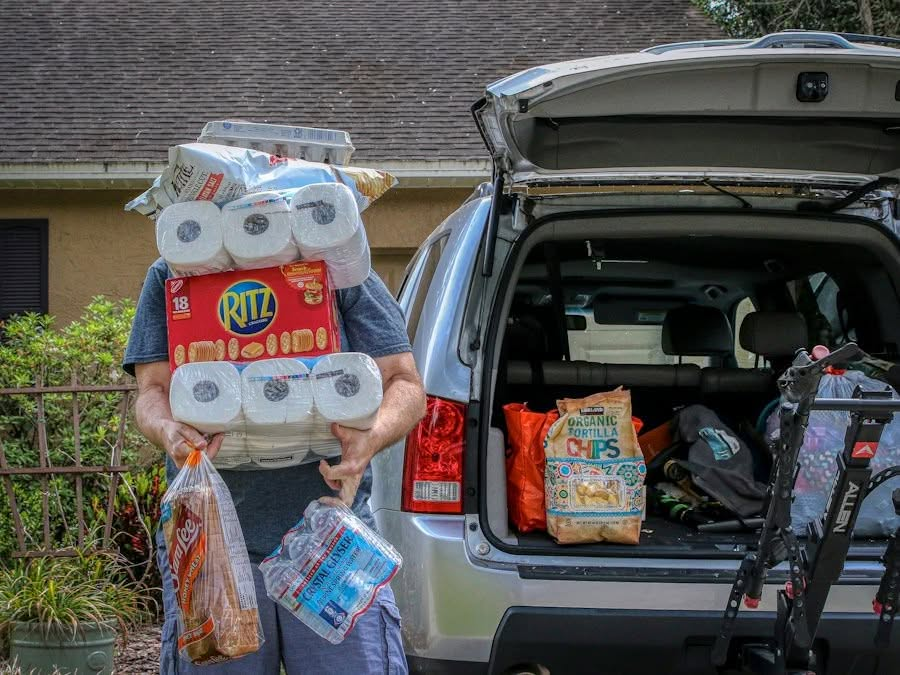
Retailers, I’ve observed, are certainly feeling this shift. I’ve read reports of major survival shops seeing sales jump by as much as 450% in just a few weeks. The demand, I’ve noticed, isn’t for obscure survival gadgets, but for fundamental necessities: canned foods, water filters, reliable radios, solar generators, and battery packs. Even big-box stores like Walmart and Costco are reporting increased buying of bottled water, canned food, camping gear, generators, power banks, and water-treatment tablets. It’s becoming clear to me that “readiness shopping” is edging dangerously close to panic buying for some, yet for others, it’s a calm and deliberate effort to secure peace of mind.
I also find myself reflecting on the government’s messaging, which often feels a bit contradictory. While officials are quick to reassure us that an imminent long-term blackout is unlikely, emergency managers simultaneously advise keeping several days’ worth of water, nonperishable food, flashlights, batteries, a battery-powered radio, backup chargers, and some cash on hand. This mixed message, I believe, only reinforces the need for individual preparedness. The U.S. military’s FORTRESS initiative, aiming to make each installation self-sufficient for at least 90 days after an attack, also subtly fuels public interest in achieving similar long-term resilience at home. If the military is preparing for extended self-sufficiency, shouldn’t I be too?
Social media, for better or worse, plays a significant role in this evolving landscape. Viral videos depicting nationwide blackouts, cyberattacks, and supply-chain collapse are driving search spikes for terms like “doomsday,” “stockpile,” and “survival kits.” This content, I believe, contributes to the multi-billion-dollar industry that prepping has become. It’s no longer about being a “survivalist” in the traditional sense; it’s about acknowledging the very real fragilities of our modern existence and taking proactive steps to mitigate their potential impact.
Essential First Steps for Building Resilience
When I first started seriously considering what true preparedness entailed, I felt a bit overwhelmed. The sheer volume of information, the endless lists, and the varying opinions could easily paralyze someone. But I’ve learned to break it down into manageable steps, focusing on the fundamental pillars of survival. For me, the most crucial starting point is assessing my current vulnerabilities and then methodically addressing them.
Water: The Absolute Priority
I’ve come to understand that without clean water, nothing else matters for very long. My first and most significant investment has been in securing a reliable water supply. I keep a minimum of one gallon of water per person per day for at least three days, as recommended by emergency services. But honestly, I aim for more. Beyond bottled water, I’ve invested in several crucial items. I have a quality water filter, capable of removing bacteria and protozoa, and a supply of water purification tablets. These are small, easy to store, and provide a vital backup. I also keep a large, clean container for collecting rainwater if necessary, and I’ve even explored a rain barrel system for my garden, which could be repurposed for emergency water collection. The idea, for me, is redundancy. I don’t want to rely on a single method.
Food: Sustenance for the Long Haul
After water, food is next on my list. My initial approach was to simply buy extra canned goods, but I quickly realized that a true “doomsday pantry” requires a more strategic approach. I focus on non-perishable items with long shelf lives that require minimal preparation and no refrigeration. Canned goods like vegetables, fruits, beans, and meats are staples. Dried pasta, rice, and oats are excellent bulk options. I also keep a good supply of energy bars, MREs (Meals Ready to Eat), and freeze-dried meals, which are lightweight and have extremely long shelf lives. I make sure to rotate my stock regularly, using items before their expiration dates and replacing them. This “first-in, first-out” system ensures freshness and prevents waste. I also consider comfort foods – a few small treats can make a huge difference to morale in a stressful situation.
Power and Communication: Staying Connected
In our hyper-connected world, the thought of a prolonged power outage is genuinely unsettling to me. The recent tech outages have only amplified this concern. My focus here is on reliable alternatives to the grid. I have multiple flashlights, each with a stock of extra batteries, and several battery-powered lanterns for ambient light. A hand-crank or solar-powered radio is absolutely essential for receiving emergency broadcasts. I’ve also invested in a portable solar generator and several robust power banks to charge my phone and other small devices. The goal is not to replicate my current level of connectivity, but to maintain essential communication and lighting for an extended period. I also keep a landline phone if possible, as it often operates even when cell towers are down.
Doomsday prepping has gained significant attention in recent years, with many individuals seeking to equip themselves for potential disasters. A related article that offers valuable insights into survival strategies is titled “Surviving a Shark Attack: Life-Saving Shark Attack Tips for Surfers & Swimmers.” This article provides essential tips for staying safe in the water, which is an important aspect of overall preparedness. You can read it here: Surviving a Shark Attack.
Building Your Emergency Toolkit
Beyond the absolute essentials of water, food, and power, I’ve found that a well-stocked emergency toolkit can make all the difference in a crisis. It’s about having the right tools to address common problems and unforeseen challenges when external support might be unavailable. This isn’t just about survival in a wilderness scenario; it’s about making your home a functional fortress.
First Aid and Medical Supplies
My first aid kit is not just a small box of band-aids. I’ve assembled a comprehensive kit that can handle a wide range of injuries and medical emergencies. It includes bandages of various sizes, antiseptic wipes, sterile gauze pads, medical tape, pain relievers, allergy medication, anti-diarrhea medication, and any prescription medications I or my family regularly take (with extra supplies). I also have a thermometer, tweezers, scissors, and a CPR mask. Learning basic first aid and CPR is just as important as having the supplies. I’ve taken a few courses and refresh my knowledge regularly. Knowing how to use what’s in the kit is paramount.
Sanitation and Hygiene Essentials
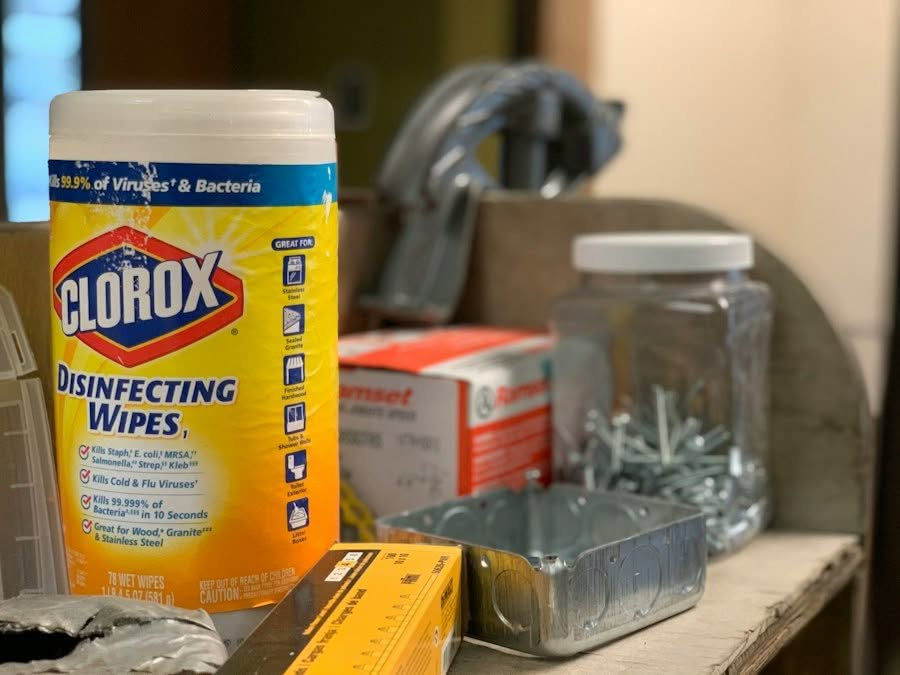
When infrastructure fails, sanitation can quickly become a major issue, leading to health hazards. I keep a supply of hand sanitizer, wet wipes, soap, and disinfectant. For human waste, I have sturdy garbage bags, a five-gallon bucket with a tight-fitting lid, and kitty litter or sawdust to control odors. Feminine hygiene products, diapers (if applicable), and trash bags for general waste are also important considerations. Maintaining a basic level of hygiene is critical for preventing illness and maintaining morale.
Tools and Shelter Modifications
My toolkit includes basic hand tools: a multi-tool, pliers, a wrench (especially one to turn off my utilities), a hammer, and a sturdy knife. I also have duct tape, rope, and plastic sheeting, which can be invaluable for temporary repairs or creating makeshift shelters. For cold weather, extra blankets, sleeping bags, and warm clothing are stored conveniently. I also follow the “Fort Living Room” advice from survival instructors: I’ve actually shut off my own power and water for a weekend to discover real gaps in my supplies and skills. It was eye-opening to realize how quickly seemingly minor inconveniences become major problems without modern amenities. This practice helped me identify specific needs like a camp stove for cooking without electricity and extra fuel.
Developing Practical Survival Skills
Having supplies is undoubtedly crucial, but without the knowledge and skills to utilize them effectively, they are just objects. I’ve come to believe that cultivating practical survival skills is an equally vital component of true preparedness. It’s about empowering myself to act rather than react.
Basic First Aid and Emergency Response
As I mentioned earlier, merely having a first aid kit isn’t enough. I’ve actively sought out training in basic first aid, CPR, and even how to handle more severe injuries like deep cuts or fractures. Knowing how to stop bleeding, treat burns, and recognize the signs of shock can literally save a life. I’ve also familiarized myself with my local emergency services and evacuation routes. Understanding what to do in a fire, an earthquake, or a severe storm is critical for protecting myself and my loved ones. These aren’t complex skills, but they require practice and confidence.
Off-Grid Cooking and Water Procurement
When the power goes out, my electric stove becomes useless. So, I’ve learned to cook off-grid. I have a propane camping stove and a supply of fuel. I also have a small charcoal grill and a bag of charcoal. Practicing cooking simple meals on these alternatives has been a fun, albeit sometimes challenging, endeavor. Similarly, while I store water, I’ve also researched and practiced methods of water purification beyond just filters and tablets. Boiling water, for example, is a reliable method if I have a heat source. Knowing how to safely collect rainwater and identify potential natural water sources, even in an urban environment, adds another layer of security.
Navigating Without GPS and Basic Self-Defense
In a scenario where modern technology fails, the ability to navigate without GPS becomes essential. I’ve familiarized myself with local maps and practiced using a compass. Knowing key landmarks and alternative routes is a skill that can be easily overlooked but incredibly valuable. While I hope to never need it, I also believe in understanding basic self-defense. This isn’t about becoming a martial arts expert, but rather learning how to recognize threats, de-escalate situations if possible, and protect myself if absolutely necessary. It’s about personal security in a world where law enforcement might be overwhelmed.
Sustaining Preparedness Over Time
Prepping isn’t a one-time event; it’s an ongoing process. I’ve learned that maintaining my readiness requires consistent effort, regular review, and a willingness to adapt. The world changes, threats evolve, and my own needs can shift.
Regular Inventory and Rotation
My emergency supplies aren’t static. I regularly conduct an inventory check of all my food, water, and medical supplies. This involves checking expiration dates, ensuring containers are sealed, and making sure everything is accounted for. Crucially, I practice “first-in, first-out” with my food and water. I rotate older items to the front, use them in my regular consumption, and replace them with fresh stock. This ensures that my emergency pantry remains viable and prevents waste. Batteries also have a shelf life, so I test them and replace them periodically. This routine keeps my supplies fresh and reliable.
Budgeting for Ongoing Supplies and Training
I’ve incorporated preparedness into my regular budget. It’s not about large, infrequent purchases, but rather small, consistent investments. When I go grocery shopping, I often pick up an extra canned item or a packet of dried goods for my emergency pantry. I also allocate funds for replacing expired medications, upgrading old equipment, and investing in new skills. Taking a first aid refresher course or purchasing a new piece of essential gear becomes part of my financial planning. Viewing it as an ongoing investment in my safety and peace of mind makes it much more manageable.
Staying Informed and Adapting
The world is constantly evolving, and so should my preparedness plan. I make an effort to stay informed about current events, potential threats, and new technologies that could impact my readiness. This includes following news on cyber security, climate change, and geopolitical developments. I also look for new prepping tips and innovative solutions shared by experts and other preppers. For instance, the rise of AI-driven cyberattacks and power grid vulnerabilities has led me to re-evaluate my digital security measures and invest more in off-grid power solutions. Flexibility and adaptability are key. My plan isn’t rigid; it’s a living document that I adjust as circumstances dictate.
Doomsday prepping has gained significant attention in recent years as individuals seek to secure their futures in uncertain times. Many enthusiasts turn to various resources to enhance their knowledge and skills, including articles that provide valuable insights into survival strategies. For instance, a fascinating article on desert survival techniques can be found here, offering practical advice for those looking to prepare for extreme conditions. Whether you’re a seasoned prepper or just starting, understanding the nuances of survival in harsh environments is crucial for effective planning.
Cultivating a Resilient Mindset
| Metric | Description | Typical Values | Notes |
|---|---|---|---|
| Food Storage Duration | Length of time food supplies can last | 6 months to 5 years | Depends on type of food and storage conditions |
| Water Storage Capacity | Amount of potable water stored | 50 to 200 gallons per person | Recommended minimum is 1 gallon per person per day |
| Emergency Power Supply | Backup power sources available | Solar panels, generators, batteries | Capacity varies by setup, often 500W to 5kW |
| Medical Supplies Stock | Quantity and variety of first aid and medical items | Basic first aid kit to advanced trauma kits | Includes medications, bandages, antiseptics |
| Communication Devices | Tools for emergency communication | Radios, satellite phones, signal mirrors | Essential for coordination and information |
| Self-Defense Equipment | Items for personal protection | Firearms, knives, pepper spray | Legal restrictions vary by location |
| Bug-Out Bag Weight | Weight of emergency carry bag | 15 to 40 pounds | Balance between preparedness and mobility |
| Community Size | Number of people in prepping group or community | 1 to 50+ | Larger groups can share resources but require coordination |
Beyond all the physical preparations and skill-building, I’ve come to realize that one of the most powerful tools in any crisis is a resilient mindset. The psychological aspect of survival is often overlooked, but it’s absolutely critical for navigating stress, uncertainty, and fear.
Mental Fortitude and Stress Management
I actively work on cultivating mental fortitude. This involves practicing mindfulness, maintaining a positive outlook where possible, and understanding that fear is a natural emotion but should not paralyze me. I’ve found that having a plan, even a simple one, significantly reduces anxiety. Knowing that I’ve taken proactive steps gives me a sense of control. During my “Fort Living Room” exercises, I intentionally put myself in uncomfortable situations to build mental resilience. It’s about learning to function calmly and rationally under pressure. I also identify trusted friends or family members who I can rely on for emotional support and collaborative planning.
Community and Collaboration
While individual preparedness is fundamental, I strongly believe in the power of community. No one can do it all alone. I’ve started connecting with neighbors and friends who share a similar preparedness mindset. We discuss potential scenarios, share resources, and even cross-train on skills. Establishing a local network can be invaluable for sharing information, pooling resources, and providing mutual aid in a larger-scale emergency. For example, one neighbor might have medical expertise, while another is skilled in repairs. This collaborative approach enhances overall resilience for everyone involved. The idea of strong, self-sufficient communities is gaining traction, and I actively seek to contribute to that within my own sphere.
The Power of Practice and Scenario Planning
I don’t just accumulate supplies; I practice using them. This means cooking on my camping stove, purifying water, and running drills for specific scenarios like a power outage or a severe storm. I also engage in scenario planning: “What if X happens? How would I respond?” This mental exercise helps me anticipate challenges and develop contingency plans. For instance, considering how I would communicate if cell towers were down, or how I would manage food and water if I had to shelter in place for an extended period. Regular practice builds confidence and transforms theoretical knowledge into practical capability. It’s about moving from simply having the gear to truly knowing how to survive and even thrive when the unexpected inevitably occurs.
FAQs
What is doomsday prepping?
Doomsday prepping refers to the practice of preparing for potential catastrophic events, such as natural disasters, economic collapse, or societal breakdown. Preppers often stockpile food, water, medical supplies, and other essential items to ensure their survival during emergencies.
What are common items that preppers stockpile?
Common items that preppers stockpile include non-perishable food, bottled water, first aid kits, flashlights, batteries, tools, and self-defense items. Many also invest in long-term food storage solutions, such as freeze-dried meals and canned goods.
Is doomsday prepping only for extreme situations?
No, while doomsday prepping is often associated with extreme scenarios, many preppers also prepare for more likely events, such as natural disasters like hurricanes, earthquakes, or floods. Being prepared can provide peace of mind and enhance overall resilience in everyday life.
How can someone start doomsday prepping?
To start doomsday prepping, individuals should assess their specific needs and risks, create a preparedness plan, and begin gathering essential supplies. It’s also important to develop skills such as first aid, self-defense, and basic survival techniques.
Are there communities or resources for doomsday preppers?
Yes, there are numerous online forums, social media groups, and local meetups where doomsday preppers share information, tips, and resources. Additionally, many books, podcasts, and websites are dedicated to prepping and survival skills.