Introduction
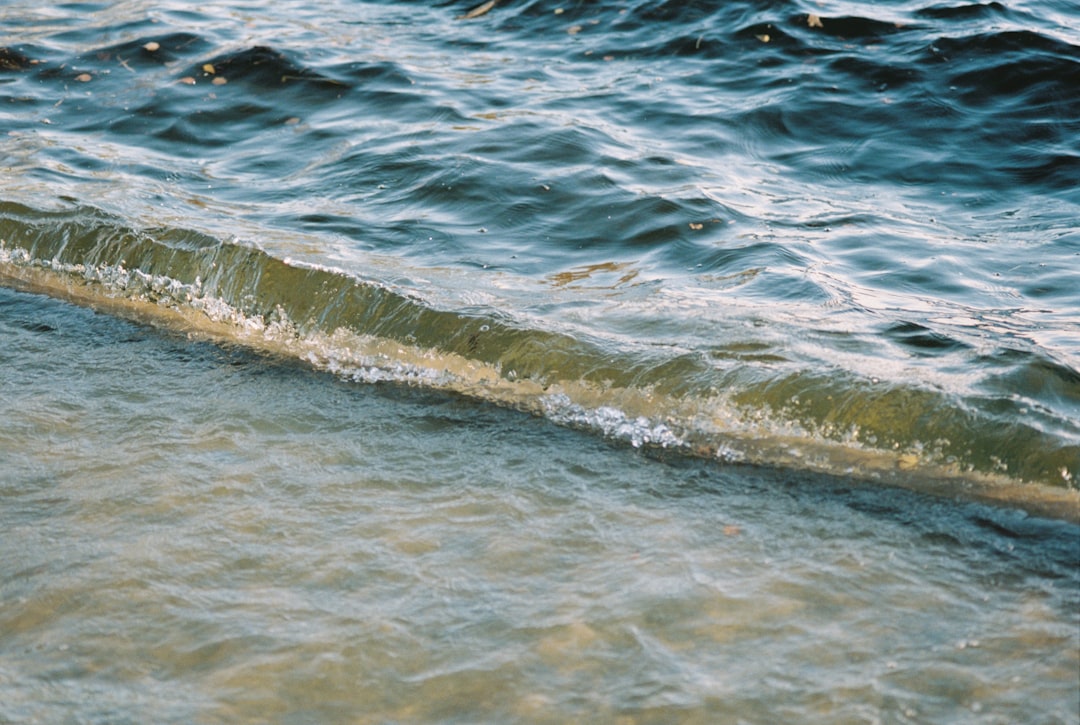
The ocean, in the light of a whisper-still January dawn, offers a serenity that belies the complex, wild reality beneath its surface. For many, the water is a sanctuary of leisure—exotic waters, luxury holiday locations, or the familiar surf breaks along the NSW mid-north coast. Yet, we share this environment with the apex predator of the marine world. While the International Shark Attack File confirms that the statistical probability of a shark attack remains remarkably low, the fear of such an encounter is deeply ingrained in the human psyche. By understanding the biological reality of these creatures and implementing modern, tech-enabled safety protocols, we can move beyond fear and toward an informed, respectful relationship with the ocean’s ecosystem.
Key Takeaways
- Evidence-Based Safety: Modern shark mitigation, from drone monitoring to sharksafe barriers, provides a robust, multi-layered defense.
- Humanizing the Narrative: Survivors like Bethany Hamilton and Dave Pearson highlight that post-trauma recovery is as much a mental journey as a physical one.
- Behavioral Literacy: Understanding shark behavior—such as attack angles and feeding patterns—is more effective than relying on dangerous myths.
- Psychological Resilience: Integrating insights from The Body Keeps the Score and The Power of Habit provides a roadmap for navigating the long-term impact of trauma.
Understanding the Behavior of Sharks
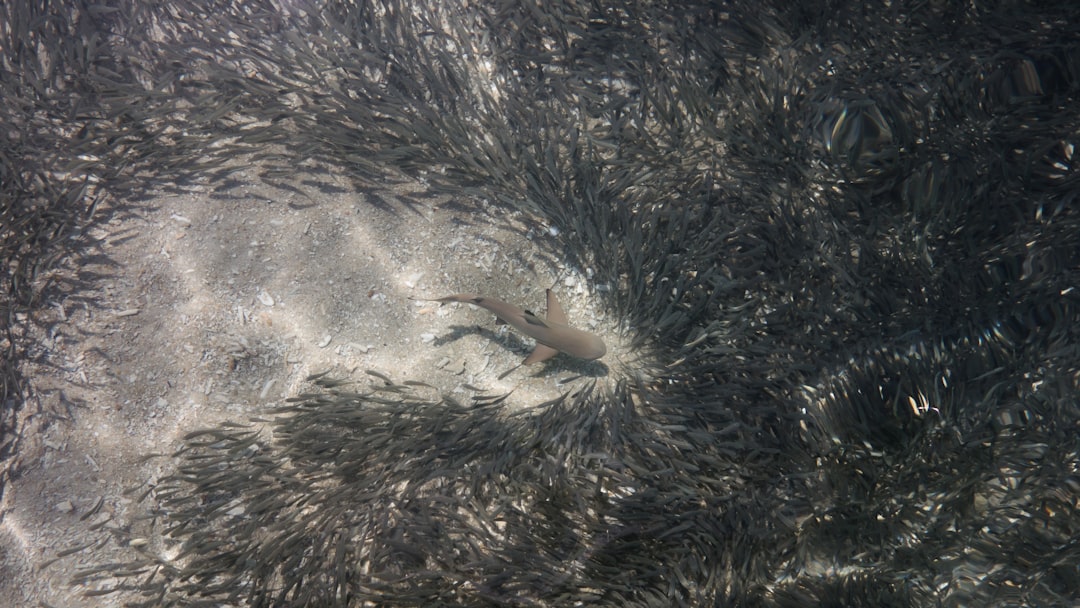
Sharks are not mindless automatons programmed to hunt humans; they are intelligent, highly evolved sensory machines. The Great White (often referred to as a white shark or great white shark) is a prime example. These animals rely on advanced electroreception to navigate the Pacific Ocean, often investigating objects in their environment—including surf boards and swimmers—out of curiosity rather than malice. Shark species like the Tiger Shark, Bull Shark, and Hammerhead Shark each possess unique behavioral traits. The Bull Shark, for instance, is notorious for its ability to traverse shallow water and river systems, while the Hammerhead exhibits complex, social schooling behaviors. Understanding that these animals are vital contributors to the health of our coral reefs is essential to de-escalating the fear surrounding their presence.
Preparing for a Potential Shark Encounter
 Modern shark mitigation relies on a multi-layered approach, combining environmental monitoring with personal deterrent technology.
Preparation begins before you enter the water. Modern technology has revolutionized personal safety for surfers and swimmers. Utilizing a shark shield or carrying a personal shark repellent spray can provide a vital deterrent layer. Beyond gear, awareness is your best defense. Utilize local shark monitoring receivers and check an shark activity map before heading out to popular spots like the Esperance beaches. Whether you are wearing an Xcel 5-4 wetsuit or heading out with a spear gun for a dive, situational awareness remains your primary survival tool.
Identifying Sharks in Their Natural Habitat
Effective identification requires recognizing the distinct silhouettes and behaviors of common species. The great white shark is often identified by its massive girth and distinct, steady swimming pattern. In contrast, the Tiger Shark is a scavenger with a striped pattern, and the Hammerhead Shark is unmistakable due to its cephalofoil. Knowing the difference helps in assessing the threat level; however, if you are unsure, the universal rule is to exit the water calmly.
Maintaining Calmness and Composure during an Attack
The psychological “freight train” of a sudden strike is overwhelming, but your reaction is the single greatest variable in shark attack survival. Panicking triggers the predator’s instinct, as erratic splashes mimic a wounded fish. If a shark approaches, attempt to maintain eye contact. If it circles, rotate with it to prevent it from getting behind you. Staying “whisper-still” in your mind—a state often cited in survival literature—allows you to focus on the shark’s proximity and prepare for the next move.
Fighting Back: Effective Self-Defense Techniques
If contact is inevitable, survival depends on aggressive self-defense. Avoid the “punch the nose” myth unless it is your only option; instead, target the most vulnerable regions: the eyes and the gills. Use any available object—a shark billy, your camera, or even your surfboard—to strike these sensitive areas. Historically, narratives from the USS Indianapolis survivors—whose ordeal in the Pacific remains one of the most harrowing survival stories—teach us that collective action and the refusal to succumb to despair are the ultimate factors in endurance.
Seeking Immediate Medical Attention
The immediate threat post-attack is catastrophic blood loss. Once out of the water, the priority is to control bleeding using a tourniquet or direct pressure until emergency responders arrive. The medical response—from the initial helicopter ride to trauma surgery—requires a rapid, coordinated effort. Never underestimate the systemic shock to the body, regardless of how “minor” the wound may seem.
Dealing with Emotional Trauma after an Attack
Physical healing is only the first chapter. Survivors often grapple with the complex psychological footprint of their experience. Drawing on The Body Keeps the Score by Dr. Bessel van der Kolk, we know that trauma resides in the nervous system. Connecting with groups like Bite Club or seeking professional therapy is vital. As Charles Duhigg explores in The Power of Habit, rebuilding a life after a life-altering event requires the intentional cultivation of new, positive “survival habits” that move the survivor from victimhood to agency.
Learning from the Experience: How to Avoid Future Encounters
Post-attack, many survivors become the strongest advocates for safety. They highlight the importance of avoiding dawn and dusk—the prime hunting hours—and staying away from the mouth of estuaries or areas with high seal populations. By analyzing the “micro” stories of local surfers and the “macro” history of naval disasters, we can build a comprehensive understanding of how to share the water safely.
Raising Awareness about Shark Conservation and Protection
Sharks are essential to the ocean’s ecosystem, maintaining the health of fish stocks and coral reefs. Conservation is not the enemy of safety; it is the path to it. When shark populations are stable, their behaviors remain predictable. Overfishing and habitat loss disrupt these natural cycles, potentially increasing human-shark interactions. Supporting shark research and respecting their role as apex predators helps ensure a healthier ocean for everyone.
Finding Support and Resources for Shark Attack Survivors
Recovery is rarely a solitary path. Organizations dedicated to supporting survivors, such as those featured on the Conversations podcast with Richard Fidler or Sarah Kanowski, offer a platform for healing. Podcasts like Tall Tails and various support services provide a lifeline for those navigating the aftermath. Whether you are looking for local chapters of the Surfrider Foundation or navigating the complex landscape of post-traumatic recovery, remember that you are not alone.
What are some survival tips for shark attacks?
Survival relies on situational awareness and a “fight, don’t flight” mentality. If you see a shark, keep it in your field of vision, back away slowly, and exit the water without splashing.
What should I do if a shark approaches me?
Do not turn your back. If the shark is curious, show it that you are not prey by appearing large and remaining calm. If it becomes aggressive, prepare to defend your vital areas.
What should I do if a shark attacks me?
Strike the eyes or gills with maximum force. Use a spear gun, camera, or your hands to defend yourself. The goal is to make the shark realize you are not an easy meal.
What are some things that attract sharks?
Sharks are naturally attracted to low-visibility water, high-activity baitfish zones, and the smell of blood or erratic movement that mimics distressed prey.
What are some common misconceptions about shark attacks?
The biggest myth is that sharks are “man-eaters.” Most attacks are “test bites”—a shark using its mouth to sense an unknown object. It is a biological misunderstanding, not an act of malice.
Conclusion
Surviving a shark encounter requires a synthesis of biological knowledge, modern technology, and mental fortitude. From the historical lessons of the USS Indianapolis to the contemporary advocacy of survivors like Brett Connellan, we have learned that the ocean is a dynamic environment that commands respect. By utilizing smart drum lines, supporting drone monitoring, and maintaining an active community of support, we can navigate the waters with confidence. Remember: the shark is a vital part of our world—respecting it is the first step in surviving the encounter.