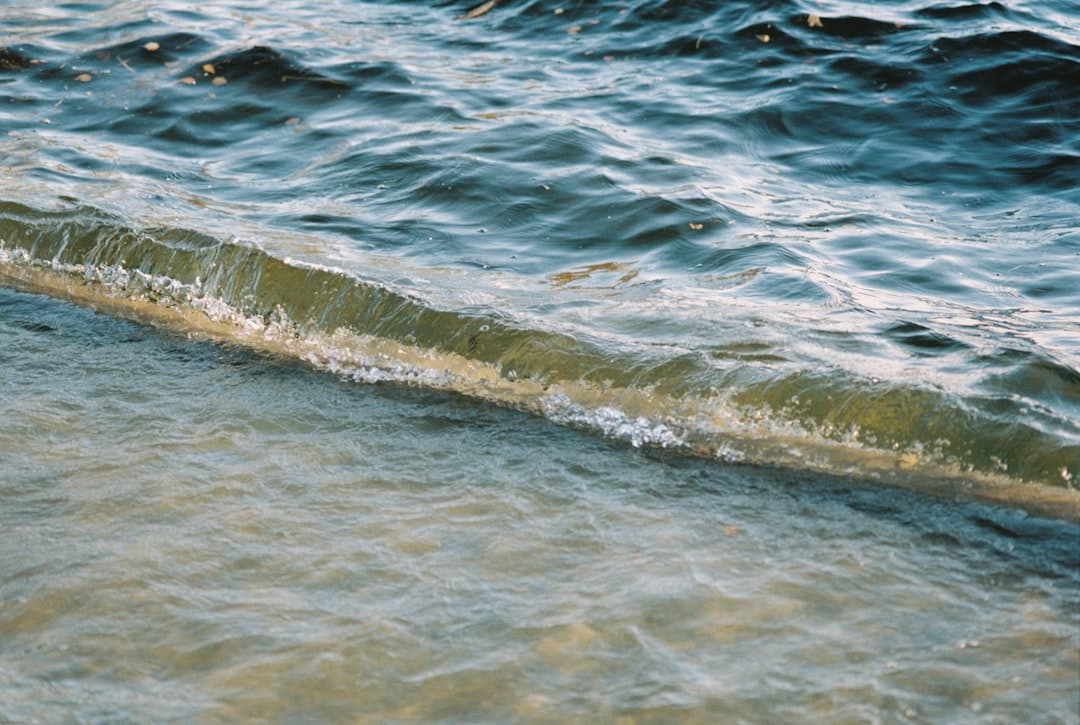
A tsunami is a series of powerful ocean waves caused by an underwater disturbance, such as an earthquake, volcanic eruption, or landslide. These waves can travel across the ocean at high speeds and can cause significant damage and loss of life when they reach coastal areas. Understanding the tsunami warning system is crucial for individuals and communities living in at-risk areas, as it can mean the difference between life and death.
Key Takeaways
- The Tsunami Warning System is a complex network of sensors and communication channels that can provide early warning of an impending tsunami.
- Knowing your surroundings is crucial in identifying safe and unsafe zones during a tsunami, such as high ground or areas prone to flooding.
- An emergency kit should include essentials such as food, water, first aid supplies, and important documents to help you survive during and after a tsunami.
- Evacuation planning is essential for ensuring the safety of yourself and your family, including identifying evacuation routes and meeting points.
- Staying informed with the latest news and information is critical in responding quickly to a tsunami warning and making informed decisions.
Understanding the Tsunami Warning System: What You Need to Know
The tsunami warning system consists of various types of warnings that are issued to alert people about the potential threat of a tsunami. These warnings include watches, advisories, and warnings. A tsunami watch is issued when there is a possibility of a tsunami occurring, but it has not been confirmed yet. A tsunami advisory is issued when a tsunami has been confirmed, but it is not expected to cause significant damage. A tsunami warning is the most serious type of warning and is issued when a tsunami is expected to cause widespread destruction.
Receiving and interpreting tsunami warnings is essential for individuals and communities to take appropriate action. It is important to have multiple sources of information, such as local news outlets, radio, television, and official government websites. It is also crucial to understand the difference between the various types of warnings and what actions should be taken for each. For example, during a tsunami warning, it is important to evacuate immediately to higher ground or inland areas.
Knowing Your Surroundings: Identifying Safe and Unsafe Zones
Identifying areas that are at risk for tsunamis is crucial for individuals and communities living in coastal regions. It is important to be aware of the geography of the area and any nearby fault lines or subduction zones that could trigger a tsunami. Local authorities often provide maps that indicate areas at risk for tsunamis.
Finding safe areas to evacuate to is equally important. These areas should be located at least 100 feet above sea level and at least one mile inland. It is important to avoid areas that are low-lying, near rivers or streams, or close to the coast. Safe areas can include higher ground, such as hills or mountains, or designated evacuation centers.
Preparing an Emergency Kit: What to Include and Why
| Item | Quantity | Purpose |
|---|---|---|
| Water | 1 gallon per person per day | Drinking, cooking, and hygiene |
| Non-perishable food | 3-day supply per person | Energy and sustenance |
| First aid kit | 1 per household | Treating injuries and illnesses |
| Flashlight | 1 per person | Light source during power outages |
| Battery-powered or hand-crank radio | 1 per household | Access to emergency information |
| Extra batteries | Various | Power source for electronic devices |
| Whistle | 1 per person | Signaling for help |
| Dust mask | 1 per person | Protection from airborne particles |
| Moist towelettes | Various | Cleaning and hygiene |
| Wrench or pliers | 1 per household | Turning off utilities |
Having an emergency kit prepared in advance is essential for individuals and families in tsunami-prone areas. This kit should include essential items that can help sustain individuals and families during and after a tsunami. Some items to include in an emergency kit are:
1. Water: It is important to have at least one gallon of water per person per day for at least three days.
2. Non-perishable food: Include enough food to last for at least three days, such as canned goods, energy bars, and dried fruits.
3. Flashlights and extra batteries: These can provide light during power outages.
4. First aid kit: Include basic medical supplies, such as bandages, antiseptic wipes, and pain relievers.
5. Personal hygiene items: Include items such as toilet paper, soap, toothbrushes, and toothpaste.
6. Cash: Have enough cash on hand in case ATMs are not accessible.
7. Important documents: Keep copies of important documents, such as identification cards, insurance policies, and medical records.
Each item in the emergency kit serves a specific purpose. Water and non-perishable food provide sustenance during an emergency when access to clean water and food may be limited. Flashlights and extra batteries ensure that individuals have a source of light when there is a power outage. A first aid kit can help treat minor injuries until medical help arrives. Personal hygiene items help maintain cleanliness and prevent the spread of disease. Cash is important in case electronic payment systems are not functioning. Finally, having copies of important documents ensures that individuals have access to important information in the aftermath of a tsunami.
Evacuation Planning: How to Create a Plan for Yourself and Your Family
Creating an evacuation plan is crucial for individuals and families living in tsunami-prone areas. This plan should outline the steps to take in the event of a tsunami warning and should involve all family members. Some steps to consider when creating an evacuation plan are:
1. Identify evacuation routes: Determine the safest and quickest routes to higher ground or inland areas. Familiarize yourself with these routes and practice using them.
2. Establish meeting points: Choose a designated meeting point where family members can gather in case they get separated during the evacuation.
3. Communication plan: Establish a communication plan to stay in touch with family members during an emergency. This can include phone calls, text messages, or social media.
4. Emergency contacts: Compile a list of emergency contacts, including local authorities, family members, and friends who can provide assistance during an emergency.
5. Special considerations: Take into account any special needs or considerations for family members, such as young children, elderly individuals, or individuals with disabilities.
Involving all family members in the planning process is important to ensure that everyone understands their roles and responsibilities during an emergency. Practice drills can also help familiarize family members with the evacuation plan and ensure that everyone knows what to do in case of a tsunami warning.
Staying Informed: Keeping Up-to-Date with the Latest News and Information

Staying informed about the latest tsunami warnings and updates is crucial for individuals and communities living in at-risk areas. There are several ways to stay informed about the latest information:
1. Local news outlets: Stay tuned to local news outlets for updates on tsunami warnings and evacuation orders.
2. Radio and television: Listen to local radio stations or watch local television channels for emergency broadcasts.
3. Official government websites: Check official government websites for the latest information and updates on tsunami warnings.
4. Mobile apps: Download mobile apps that provide real-time updates on tsunami warnings and emergency alerts.
5. Social media: Follow local authorities and emergency management agencies on social media for the latest updates.
It is important to rely on reliable sources of information to avoid misinformation or rumors during an emergency. Official government websites and local news outlets are typically the most reliable sources of information.
Reacting Quickly: How to Respond to a Tsunami Warning
When a tsunami warning is issued, it is important to react quickly and take immediate action. Some steps to take when a tsunami warning is issued are:
1. Evacuate immediately: Follow the evacuation orders and evacuate to higher ground or inland areas as quickly as possible.
2. Follow designated evacuation routes: Use the designated evacuation routes and avoid shortcuts or unfamiliar routes.
3. Stay informed: Listen to local news outlets or emergency broadcasts for updates on the situation.
4. Do not return to coastal areas until it is safe to do so: Even after the initial wave passes, there may be subsequent waves that can be just as dangerous.
It is important to stay calm and focused during a tsunami warning and follow the instructions of local authorities. Panic can lead to poor decision-making and increase the risk of injury or death.
Seeking Higher Ground: Finding Safe Areas to Escape the Oncoming Waves
Finding higher ground in your area is crucial when evacuating during a tsunami warning. Higher ground should be located at least 100 feet above sea level and at least one mile inland. Some tips for finding safe areas to escape the oncoming waves are:
1. Familiarize yourself with the geography of your area: Identify hills, mountains, or other elevated areas that can serve as safe zones during a tsunami.
2. Use topographic maps: Topographic maps can help identify areas that are higher in elevation.
3. Follow designated evacuation routes: Use the designated evacuation routes, as these are typically designed to lead to higher ground.
4. Seek information from local authorities: Local authorities can provide information on safe areas to evacuate to in your specific area.
It is important to get to higher ground as quickly as possible and avoid areas that are low-lying or close to the coast. Tsunamis can cause multiple waves, so it is important to stay in a safe area until it is confirmed that the threat has passed.
Avoiding Dangerous Areas: Knowing What to Avoid During a Tsunami
During a tsunami, there are certain areas that should be avoided due to the high risk of danger. These areas include:
1. Coastal areas: Stay away from coastal areas, as these are the most vulnerable to the impact of tsunamis.
2. Low-lying areas: Avoid low-lying areas, as these are more likely to be flooded by the incoming waves.
3. Rivers and streams: Stay away from rivers and streams, as tsunamis can cause them to overflow and become dangerous.
4. Bridges and overpasses: Do not seek shelter under bridges or overpasses, as they can collapse during a tsunami.
It is important to be aware of these dangerous areas and avoid them during a tsunami. Following evacuation orders and seeking higher ground or inland areas is the safest course of action.
Staying Calm: Managing Anxiety and Fear During a Tsunami
Managing anxiety and fear during a tsunami can be challenging, but it is crucial for individuals to stay calm and focused in order to make rational decisions. Some tips for managing anxiety and fear during a tsunami are:
1. Take deep breaths: Deep breathing exercises can help calm the nervous system and reduce anxiety.
2. Focus on the present moment: Instead of worrying about what might happen, focus on the present moment and what needs to be done.
3. Use positive self-talk: Remind yourself that you have prepared for this situation and that you are capable of handling it.
4. Seek support from others: Reach out to family members, friends, or neighbors for support and reassurance.
5. Practice relaxation techniques: Engage in activities that help you relax, such as meditation, yoga, or listening to calming music.
It is important to remember that anxiety and fear are normal reactions during a stressful situation like a tsunami. However, it is crucial to manage these emotions in order to make clear-headed decisions and take appropriate action.
After the Tsunami: Coping with the Aftermath and Moving Forward
Coping with the aftermath of a tsunami can be challenging, both emotionally and physically. It is important to take care of yourself and seek support during this time. Some tips for coping with the aftermath of a tsunami are:
1. Seek medical attention if needed: If you or someone you know is injured, seek medical attention as soon as possible.
2. Contact loved ones: Let your loved ones know that you are safe and check on their well-being.
3. Follow instructions from local authorities: Listen to local authorities for instructions on when it is safe to return to your home or community.
4. Reach out for support: Seek support from friends, family members, or mental health professionals who can help you process your emotions and cope with the aftermath of the tsunami.
5. Take care of yourself: Eat nutritious meals, get enough rest, and engage in activities that bring you joy and relaxation.
Recovery after a tsunami can take time, but with support and self-care, individuals can gradually rebuild their lives and move forward.
Being prepared for a tsunami is crucial for individuals and communities living in at-risk areas. Understanding the tsunami warning system, knowing your surroundings, preparing an emergency kit, creating an evacuation plan, staying informed, reacting quickly, seeking higher ground, avoiding dangerous areas, staying calm, and coping with the aftermath are all important steps in being prepared for a tsunami. By taking these steps and being proactive, individuals can increase their chances of staying safe during a tsunami and minimize the impact of this natural disaster.
If you’re looking for survival tips for a tsunami, you might find this article from Survival Leader helpful. They provide valuable information on how to stay safe during a tsunami and what actions to take before, during, and after the disaster. Check out their article here for expert advice on surviving a tsunami.
FAQs
What is a tsunami?
A tsunami is a series of ocean waves with very long wavelengths (typically several hundred kilometers) caused by large-scale disturbances of the ocean, such as earthquakes, volcanic eruptions, and landslides.
What are the signs of an approaching tsunami?
The signs of an approaching tsunami include a sudden rise or fall in sea level, a loud roar like a train or airplane, and the sudden pulling back of the ocean.
What should I do if I am caught in a tsunami?
If you are caught in a tsunami, move to higher ground as quickly as possible. If you cannot move to higher ground, climb onto a sturdy building or tree. Do not try to outrun the tsunami on foot or in a vehicle.
What should I do after a tsunami?
After a tsunami, stay away from the affected area until authorities declare it safe to return. Be aware of the risk of aftershocks and secondary waves. Listen to local news and follow the instructions of emergency personnel.
What should I include in my emergency kit for a tsunami?
Your emergency kit for a tsunami should include food and water for at least three days, a first aid kit, a flashlight, a battery-powered radio, extra batteries, a whistle, a map of the area, and any necessary medications.