I’ve always considered myself a practical person, someone who likes to be prepared for what life throws my way. Lately, however, that sense of practicality has deepened into a more deliberate approach to readiness. It’s not about fear, but about resilience – a quiet confidence that comes from knowing I’ve taken tangible steps to protect myself and my loved ones should an emergency arise. The world feels a little more unpredictable these days, with news of tech outages and broader instability making headlines. I’ve noticed a shift in my own shopping habits, and it seems I’m not alone. Reports indicate that U.S. consumers are increasingly buying essentials like bottled water, canned food, and even camping gear. Major retailers like Walmart and Costco are seeing higher demand for emergency supplies, a clear sign that many others share my inclination towards preparedness. This isn’t about hoarding or panic buying; it’s about a measured and thoughtful approach to ensuring continuity and safety when unexpected events unfold.
My Foundational Three-Day Supply Strategy
When I first started thinking seriously about emergency preparedness, the sheer scope of it felt overwhelming. Where do I even begin? That’s when I discovered a common, practical baseline: aiming for about three days’ worth of essential supplies. This seemingly small target made the entire endeavor feel manageable. It’s a starting point, a solid foundation upon which I can build, rather than an insurmountable mountain. Multiple preparedness reports consistently emphasize this three-day readiness, and I’ve found it to be incredibly empowering. It breaks down a daunting task into actionable steps.
Prioritizing Water for Survival
Of all the essentials, water sits at the top of my list. Without it, survival for even three days becomes incredibly challenging. My primary approach is straightforward: I stock bottled water. It’s readily available, shelf-stable, and I can easily calculate how much I need. For a three-day supply, I aim for at least one gallon per person per day for drinking, plus additional water for basic hygiene. I keep a rotating stock in my pantry, checking expiration dates periodically to ensure freshness.
Beyond bottled water, I’ve also invested in a high-quality water filter. This isn’t for daily use, but rather for a backup scenario where my stored water might run out or become contaminated. I chose a portable filter that can handle various water sources, from tap water to collected rainwater. This adds a crucial layer of redundancy to my water plan. Knowing I have multiple ways to access safe drinking water provides immense peace of mind. I’ve also considered water purification tablets as an even more compact and lightweight option, especially for a go-bag scenario.
Assembling Non-Perishable Food Reserves
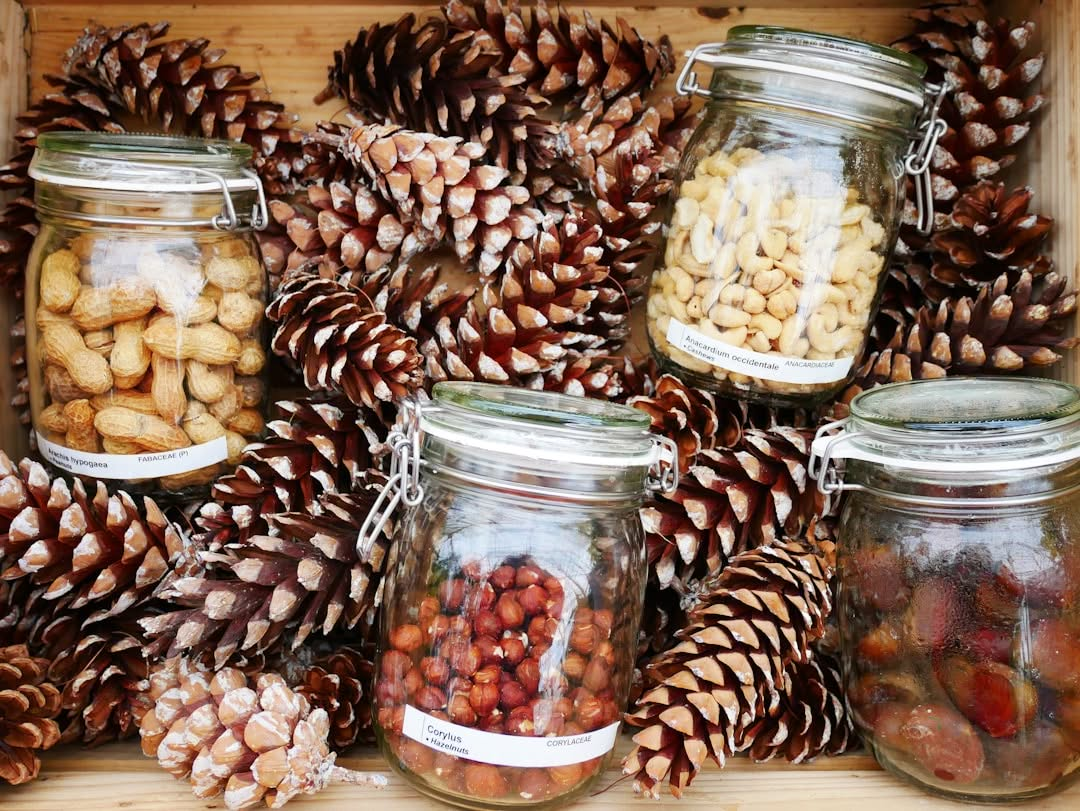
Food is the next critical component of my three-day strategy. The key here is non-perishable items that require minimal preparation and no refrigeration. My grocery trips often include a stop in the canned goods aisle, where I stock up on a variety of items. Canned vegetables, fruits, beans, and meats form the core of my food reserves. They’re nutritious, have a long shelf life, and are relatively inexpensive. I also keep a supply of protein bars, dried fruit, and nuts, which are excellent for quick energy and don’t require any cooking.
When selecting food, I also consider the ease of preparation. While I have a camping stove, I prioritize foods that can be eaten directly from the can or package, just in case cooking fuel is scarce or unsafe to use indoors. This is where can openers become an unexpectedly crucial item. It seems so simple, but without one, those cans of vital sustenance are just expensive paperweights. I have several manual can openers strategically placed, including one in my emergency kit. Again, the principle of redundancy comes into play.
Securing Essential Medications and First Aid
My health and the health of my family are non-negotiable, so securing essential medications and a comprehensive first-aid kit is paramount. For daily prescription medications, I work with my doctor and pharmacy to try and maintain a small buffer supply, if permitted. This isn’t always possible, but even having an extra week’s worth can make a significant difference in an emergency. I also keep a list of all medications, dosages, and prescribing physicians in my emergency binder.
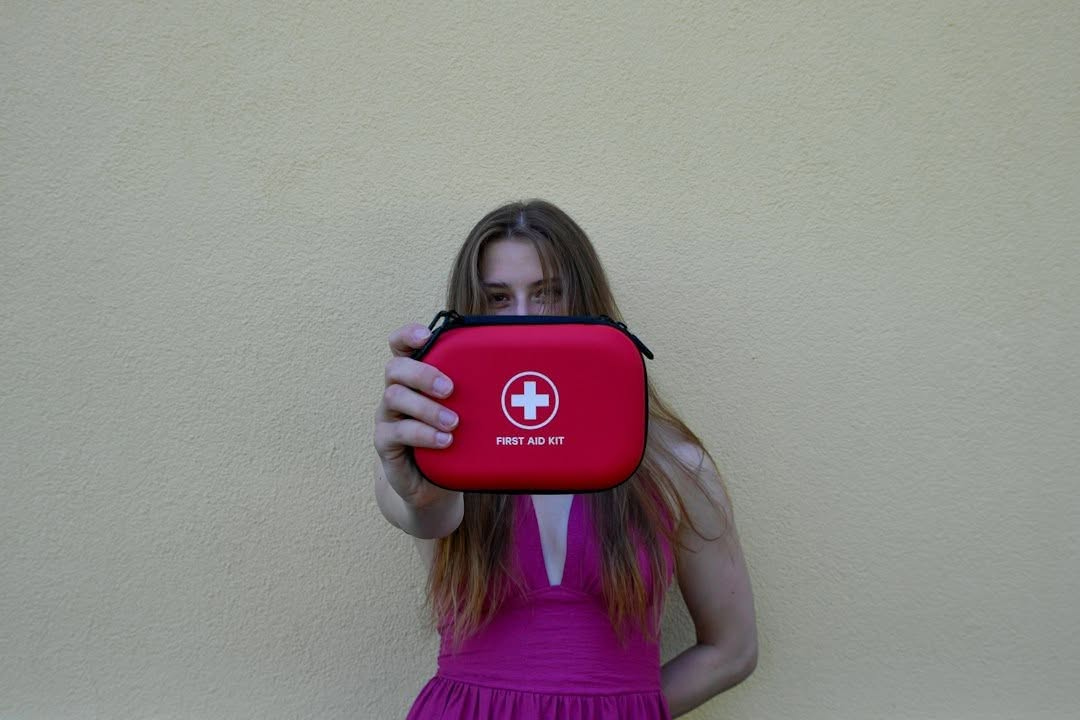
My first-aid kit is far more robust than a few band-aids. It includes wound dressings, antiseptic wipes, pain relievers, allergy medication, anti-diarrhea medicine, and any specific items relevant to my family’s needs, such as an EpiPen or asthma inhaler. I regularly check expiration dates on all items and replace them as needed. I’ve also taken a basic first-aid and CPR course, because having the supplies is one thing, but knowing how to use them effectively is another entirely. This combination of stocked supplies and learned skills makes me feel much more confident in handling minor injuries or illnesses during a crisis.
If you’re interested in enhancing your prepping skills, you might find the article on survival training particularly useful. It covers essential techniques and strategies that can help you become more self-sufficient and prepared for various emergencies. To explore this valuable resource, visit Survival Training for insights that can elevate your prepping journey.
Building a Robust Communication and Power Infrastructure
In a world increasingly reliant on technology, the prospect of tech outages or power grid failures is a genuine concern. My preparedness strategy extends beyond just food and water; it delves deeply into how I would communicate and power essential devices if conventional systems went down. The UK’s “Be Ready” campaign, which encourages households to prepare for cyberattacks, certainly resonates with me. It underscores the importance of having alternatives to our digital comforts.
Equipping for Information and Communication
When the power goes out, my smartphone becomes a very expensive paperweight fairly quickly. That’s why I’ve invested in several low-tech and alternative communication tools. A battery-powered or hand-crank radio is essential. It’s my primary link to emergency broadcasts and news updates. I make sure it can tune into NOAA weather radio channels, as local weather alerts are crucial during many types of emergencies. I test the radio periodically, ensuring the batteries are fresh or the crank mechanism is functional.
Beyond receiving information, I also consider how I would communicate with family members if cell towers were down. While not a primary solution for long-distance communication, having a pre-arranged meeting spot and a written list of important phone numbers (including out-of-state contacts who might have more reliable service) is part of my plan. I’ve also thought about a whistle as a simple signaling device. It’s surprising how effective a loud whistle can be for attracting attention or signaling distress over short distances.
Securing Portable Power and Lighting
Electricity is something I often take for granted until it’s gone. To counter potential power outages, I’ve gradually built up a collection of portable power solutions. Power banks are a no-brainer for charging phones and other small USB devices. I have several, ranging in capacity, and I make sure they are always fully charged. The surge in demand for power banks among consumers highlights just how critical these have become.
For more substantial power needs, I’ve considered a portable generator. This is a larger investment, but it offers the ability to power critical appliances like a refrigerator or a few lights during an extended outage. If I do get one, I’ll prioritize safety with proper ventilation and fuel storage. In the meantime, I rely heavily on lighting alternatives. Flashlights and headlamps, stocked with plenty of spare batteries, are everywhere in my home. I prefer LED models for their efficiency and brightness. I also have a few solar-powered lanterns, which can be charged during the day and provide ambient light at night without consuming precious battery reserves. Candles are a last resort, due to fire risk, but I keep a small supply along with matches/lighters, safely stored.
Maintaining Health and Hygiene Essentials
In any emergency, maintaining good health and hygiene becomes paramount. It’s not just about comfort; it’s about preventing the spread of disease, which can quickly compound an already difficult situation. My preparedness plan includes a dedicated focus on these often-overlooked aspects.
Stocking Personal Hygiene Products
Basic hygiene can make a significant difference to morale and health during a crisis. My emergency kit includes a supply of toiletries: soap, shampoo, toothpaste, toothbrushes, and hand sanitizer. Wet wipes are particularly useful for personal hygiene when water is scarce. I also ensure I have an adequate supply of feminine hygiene products, which are often overlooked but absolutely essential. For infants or young children, diapers and baby wipes are critical.
Another often-forgotten item is a roll of toilet paper. While seemingly minor, its absence quickly becomes noticeable. I keep a small reserve specifically for emergency use, separate from my everyday supply. These items contribute not only to physical cleanliness but also to a sense of normalcy and dignity during stressful times.
Addressing Sanitation and Waste Management
Beyond personal hygiene, dealing with human waste in a prolonged emergency without plumbing can become a serious health hazard. My plan includes strategies for sanitation. I have large sturdy garbage bags and ties, which can be used to line a bucket to create a makeshift toilet. Cat litter or sawdust can help absorb odors and liquids. Proper disposal is key to preventing the spread of germs.
I also have disposable gloves and bleach for sanitizing surfaces if necessary. Understanding that water might be limited, I prioritize methods that require minimal water or rely on non-water-based solutions. This proactive approach to waste management is crucial for maintaining a healthy living environment, even in challenging circumstances.
Creating a Comprehensive Emergency Kit (Go-Bag)
While my home preparations are extensive, I also recognize the need for a portable solution – something I can grab quickly if I need to evacuate. This is where my “go-bag” or emergency kit comes into play. Experts often emphasize practical essentials, and I’ve tried to incorporate that wisdom into my kit.
Assembling Essential Tools and Documents
My go-bag isn’t just a random collection of items; it’s a carefully curated selection of tools and documents that would be indispensable if I had to leave my home at a moment’s notice. First, the tools: a multi-tool is a must-have, combining pliers, knives, and screwdrivers into one compact unit. A sturdy knife, often overlooked, has countless uses. I also include a whistle for signaling, a small roll of duct tape, and some cordage or rope.
Crucially, I also keep copies of important documents in a waterproof bag within my go-bag. These include identification (driver’s license, passport), birth certificates, marriage certificates, insurance policies, and contact information for family, doctors, and emergency services. Having these critical papers readily accessible saves valuable time and reduces stress during an evacuation. I scan these documents and save them to a secure cloud service as well, for an extra layer of backup, though I prioritize physical copies for immediate access.
Including Comfort and Personal Items
An emergency situation is inherently stressful, and a few comfort items can make a big difference to morale, especially if children are involved. My go-bag includes a small, lightweight blanket or emergency Mylar blanket for warmth. A small travel pillow can also provide a surprising amount of comfort. For kids, a small toy or book can be a welcome distraction.
I also include personal items that are unique to my needs. This might be extra glasses or contact lenses, a small amount of cash in various denominations (as electronic payments might not work), and a change of clothes suitable for the local climate. While the focus is on essentials, these small additions contribute significantly to psychological well-being during an emergency. I also make sure to have a dedicated zippered pouch for any personal hygiene items mentioned previously, making it easy to grab and use.
Prepping is an essential practice for anyone looking to enhance their survival skills and ensure their safety in uncertain times. One important aspect of this is understanding how to navigate challenging weather conditions, such as whiteouts. For valuable insights on this topic, you can check out a related article that discusses common mistakes people make during such situations and offers practical tips for survival. To learn more about this, visit whiteout survival tips that can help you stay prepared and informed.
Practicing and Maintaining Preparedness
| Metric | Description | Typical Values | Importance |
|---|---|---|---|
| Food Storage Duration | Length of time stored food remains safe and edible | 6 months to 25 years (depending on food type) | High |
| Water Storage Capacity | Amount of potable water stored per person | 1 to 3 gallons per day per person | Critical |
| Emergency Kit Weight | Total weight of a bug-out bag or emergency kit | 15 to 35 pounds | Medium |
| First Aid Supplies | Number of essential medical items included | 20 to 50 items | High |
| Power Backup Duration | Hours of backup power available via generators or batteries | 4 to 72 hours | Medium |
| Communication Devices | Number of devices for emergency communication | 1 to 3 (e.g., radio, satellite phone) | High |
| Firearm Ammunition Stock | Rounds of ammunition stored for defense | 500 to 2000 rounds | Variable |
| Fuel Storage | Gallons of fuel stored for generators or vehicles | 10 to 50 gallons | Medium |
Having all the supplies in the world means little if I don’t know how to use them, or if they’ve expired. My approach to preparedness isn’t a one-time setup; it’s an ongoing process of practice, maintenance, and learning. This mindset, shifting towards resilience rather than panic buying, is key to sustained readiness.
Regularly Reviewing and Rotating Supplies
One of the most critical aspects of my preparedness strategy is regular review and rotation of supplies. Food and water have expiration dates, and batteries lose their charge. I’ve implemented a simple system: every six months, usually coinciding with daylight saving time changes, I go through my food and water reserves. I use items that are nearing their expiration and replace them with fresh stock. This “first-in, first-out” method ensures my supplies are always fresh and prevents waste.
I also check my first-aid kit, replenishing any used or expired items. Batteries in flashlights and radios are checked and replaced or recharged. I top off my power banks. This routine prevents the unpleasant surprise of discovering expired food or dead batteries when they’re most needed. It’s a small investment of time that yields significant returns in peace of mind.
Conducting Drills and Learning New Skills
Knowing that I have supplies is one thing; knowing how to use them effectively is another. I occasionally conduct small, informal drills with my family. This might involve practicing our evacuation plan, locating emergency supplies in the dark using flashlights, or demonstrating how to use the water filter. These drills help identify weaknesses in my plan and ensure everyone knows their role.
Beyond drills, I’m always looking to learn new skills. Basic first aid, as I mentioned, was a foundational step. I’ve also looked into basic knots, fire starting techniques (safely, of course), and even some wilderness survival tips, just to broaden my capabilities. This continuous learning is empowering; it makes me feel less reliant on external systems and more confident in my own abilities to adapt and overcome challenges. The goal isn’t to become a survivalist, but to build a robust personal resilience that can weather unexpected storms, much like the broader movement towards planned, steady stockpiling rather than reactive panic buying. It’s about being ready, calmly and confidently, for whatever comes next.
FAQs
What is prepping?
Prepping, short for preparedness, refers to the practice of planning and preparing for potential emergencies or disasters. This can include natural disasters, economic collapse, or other unforeseen events. Preppers often stockpile supplies, learn survival skills, and develop contingency plans to ensure their safety and self-sufficiency in times of crisis.
What are the essential supplies for prepping?
Essential supplies for prepping typically include non-perishable food, clean water, first aid kits, tools, flashlights, batteries, and personal hygiene items. Additionally, many preppers invest in items like fire-starting equipment, multi-tools, and communication devices to enhance their preparedness for various scenarios.
How can someone start prepping on a budget?
Starting prepping on a budget can be achieved by prioritizing essential items and gradually building a supply. Begin with basic necessities like food and water, and consider purchasing items in bulk or during sales. Additionally, learning skills such as gardening, foraging, and basic first aid can reduce reliance on purchased supplies and enhance self-sufficiency.
Is prepping only for extreme situations?
No, prepping is not solely for extreme situations. While many preppers focus on catastrophic events, prepping can also be beneficial for everyday emergencies, such as power outages, job loss, or health crises. Being prepared can provide peace of mind and a sense of security in various circumstances.
Are there communities or groups for preppers?
Yes, there are numerous communities and groups for preppers, both online and offline. These can include forums, social media groups, and local meetups where individuals share knowledge, resources, and experiences related to prepping. Engaging with these communities can provide valuable insights and support for those interested in preparedness.