
I’ve always considered myself a practical person, someone who looks ahead and tries to anticipate potential challenges. It’s this mindset that led me down the path of emergency preparedness, a journey that has evolved from a vague sense of caution into a dedicated focus on essential prepper supplies. With recent events, from widespread power outages to global uncertainties, it feels like the collective consciousness is finally catching up. Retailers are reporting unprecedented demand, and what was once a niche interest has undeniably gone mainstream, with some survival retailers seeing sales jump by an astonishing 450% in a short period [3]. This surge in interest, while concerning in its implications, validates my belief that being prepared isn’t just a hobby; it’s a fundamental responsibility.
The Foundation of Preparedness: Water and Food Security
When I think about survival, my mind immediately jumps to the absolute basics: water and food. Without these, even the most elaborate plans crumble. Governments across various countries consistently emphasize these as the top essentials in their emergency kit guidance, often extending advice beyond the initial 72 hours, sometimes up to 10 days [4][10][14]. The current buying trends reflect this understanding, with bottled water, canned food, and other shelf-stable items leading the pack [3][6][12].
Securing a Reliable Water Supply
Water is non-negotiable. My personal philosophy revolves around a multi-tiered approach to water security, ensuring I have immediate access, a medium-term storage solution, and long-term purification capabilities.
Bottled Water: The Immediate Solution
For immediate needs, especially during the crucial first few days of a disruption, commercially bottled water is paramount. I stock enough for at least a gallon per person per day, aiming for a minimum of three days, though I’m actively building up to a week’s supply based on current recommendations [9][16][23]. This isn’t just for drinking; it’s also for basic hygiene and cooking if other water sources aren’t immediately viable. The convenience of pre-packaged, sterile water cannot be overstated when the unexpected strikes.
Water Filtration and Purification: Long-Term Independence
Beyond bottled water, the ability to make unsafe water potable is critical for any extended emergency. This is where modern water filters and purifiers come into play. I’ve invested in several types to cover different scenarios. A high-quality portable water filter, like those from Sawyer or Lifestraw, is indispensable for individual use and on-the-go purification. These devices can filter out bacteria and protozoa, making most natural water sources safe to drink.
For larger quantities and more comprehensive purification, a gravity-fed filtration system is a must-have in my home. These systems can process gallons of water per hour, suitable for family use over longer durations. Furthermore, I always keep chemical purification tablets (chlorine dioxide) as a backup. While they take longer to work and can leave a slight taste, they’re lightweight, have a long shelf life, and are incredibly effective against viruses, bacteria, and cysts. Knowing I can turn a questionable stream or collected rainwater into safe drinking water provides immense peace of mind.
When considering the essentials for your prepper supplies, it’s crucial to also understand how to effectively navigate and survive in the great outdoors. A related article that provides valuable insights on this topic is available at Surviving in the Great Outdoors: Essential Tips for Outdoor Adventures. This resource offers practical tips that can enhance your outdoor skills, ensuring that you are well-prepared for any situation you may encounter while utilizing your prepper supplies.
Building a Robust Food Stockpile
Just like water, my food strategy is about variety, shelf-stability, and caloric density. Recent reports of shortages and delays for emergency meal kits from retailers like ReadyWise and My Patriot Supply underscore the importance of stocking up before a crisis hits [1].
Shelf-Stable Staples: The Everyday Foundation
My pantry holds a rotating stock of everyday shelf-stable foods. This includes canned goods like vegetables, fruits, beans, and soups, which are excellent sources of nutrients and calories. Canned meats, such as tuna, chicken, and spam, are also crucial for protein [3][6][12]. I make sure to regularly check expiration dates and rotate these items into our daily meals to ensure freshness and prevent waste. Dry goods like rice, pasta, oats, and lentils, stored in airtight containers, form the bulk of my long-term carbohydrate supply. These are versatile, inexpensive, and have an impressive shelf life when stored correctly.
Emergency Meal Kits: Compact and Convenient
For situations where cooking facilities might be limited or nonexistent, emergency meal kits are invaluable. These long-shelf-life meal kits are designed for ease of preparation – often just requiring hot water – and provide a balanced nutritional profile. While demand is surging and some retailers are experiencing slower fulfillment [1], I made sure to secure a supply of these kits for several weeks. They’re compact, easy to store, and provide a comforting sense of a complete meal during stressful times. I prioritize kits with at least a 25-year shelf life, ensuring they’ll be viable for the long haul.
Power and Communication: Staying Connected and Illuminated
In today’s interconnected world, losing power can feel like losing touch with reality. Recent outages have driven a massive surge in demand for generators, solar generators, and battery packs [1][3][18]. My focus here is on reliable power for essential devices and maintaining communication channels when traditional infrastructure fails.
Reliable Power Sources
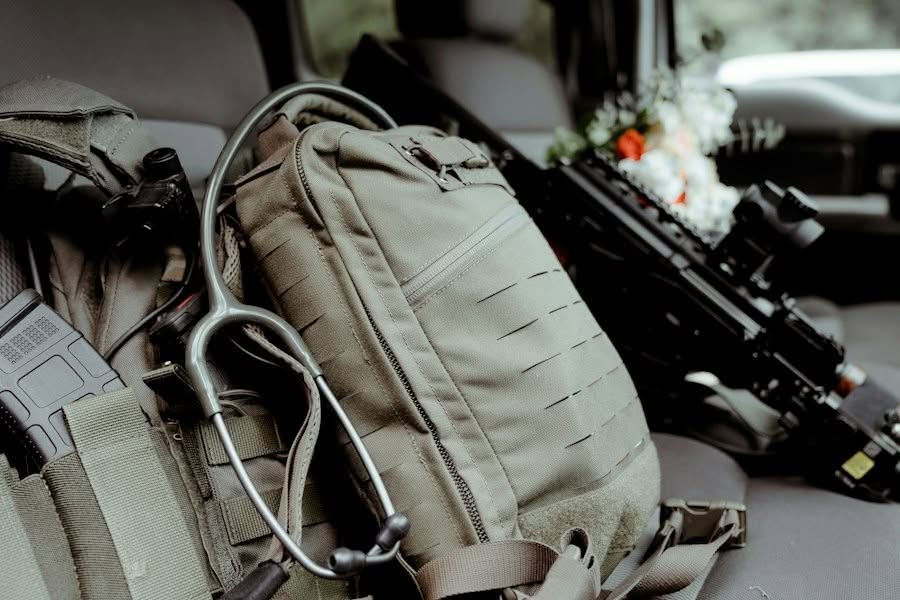
A comprehensive power strategy involves multiple redundancies, ensuring I’m never completely without light or the ability to charge crucial devices.
Solar Generators and Battery Packs: Quiet and Sustainable Power
My primary power backup comes in the form of a portable solar generator paired with a substantial battery pack. Unlike traditional gas generators, solar generators are quiet, produce no emissions, and can be recharged indefinitely with sunlight. This makes them ideal for extended outages, providing power for essential electronics like lights, medical devices (if needed), and charging communication gear. I’ve found that even smaller units can keep phones charged and run a few crucial items for hours. The growing demand for these units is a clear indicator of their perceived value [1][3][18].
Portable Power Banks: Personal Device Lifelines
For individual devices, especially smartphones and radios, a collection of high-capacity portable power banks is non-negotiable. I ensure these are always charged and ready. A fully charged power bank can recharge a smartphone multiple times, providing a critical lifeline for communication, accessing information, or simply as a comfort during dark times. These are often highlighted in government guidance for 3-day emergency kits [9][16][23].
Essential Communication Tools
When the grid goes down, traditional communication methods like cell towers and internet services can quickly become overloaded or fail entirely. Having independent means of receiving information and, if possible, transmitting it, is crucial.
Hand-Crank/Solar Radios: The Information Lifeline
A NOAA weather radio with hand-crank and solar charging capabilities is one of the most vital pieces of my emergency kit. These radios provide access to emergency broadcasts, weather alerts, and general news, keeping me informed when all other sources of information are silent. Many government guidelines specifically recommend these devices [9][16][23]. I ensure it also has a USB port for charging small devices in a pinch.
Two-Way Radios (Walkie-Talkies): Local Group Communication
For communicating with family members or neighbors in close proximity, a set of reliable FRS/GMRS two-way radios (walkie-talkies) is incredibly useful. These operate independently of cell networks and can be invaluable for coordinating efforts or simply checking in on loved ones within a reasonable range. While not for long-distance communication, they provide a vital local network.
First Aid and Health: Protecting Well-being
Beyond the immediate needs of food and water, maintaining health and addressing injuries are paramount in any emergency. The advice to add first aid supplies to household preparedness is a consistent theme from various agencies [13][21].
When considering essential prepper supplies, it’s important to explore various resources that can enhance your preparedness strategy. One such resource is an article that delves into the unique challenges and solutions for survival in desert environments. This informative piece offers valuable insights into the specific gear and supplies needed to thrive in arid conditions. To learn more about these specialized preparations, you can check out the article on desert survival techniques here.
Comprehensive First Aid Kit
| Supply Category | Recommended Quantity | Storage Duration | Notes |
|---|---|---|---|
| Water | 1 gallon per person per day | 6 months (if properly stored) | Include purification tablets or filters |
| Non-perishable Food | At least 2 weeks supply | 1-5 years depending on type | Canned goods, freeze-dried meals, MREs |
| First Aid Supplies | 1 complete kit per household | Check expiration dates regularly | Include medications and bandages |
| Tools & Equipment | Varies | Indefinite with maintenance | Multi-tools, knives, fire starters |
| Lighting | At least 2 sources per person | Depends on power source | Flashlights, lanterns, batteries |
| Communication Devices | 1 per household | Depends on battery life | Radios, walkie-talkies |
| Clothing & Bedding | Seasonal appropriate | Several years if stored properly | Include thermal blankets and rain gear |
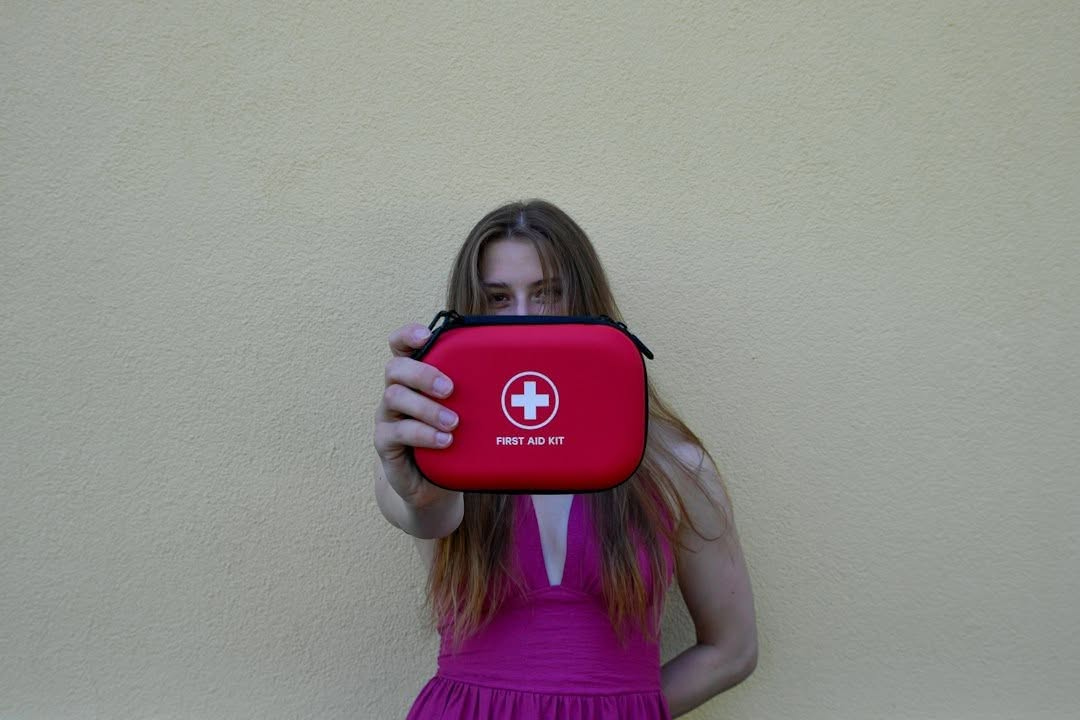
My first aid kit isn’t just a small box of bandaids; it’s a comprehensive collection of supplies designed to handle a range of medical emergencies, from minor cuts to more serious trauma.
Basic Wound Care and Medications
The core of my kit includes a variety of bandages, antiseptic wipes, sterile gauze pads, medical tape, and antibiotic ointment. I also include over-the-counter pain relievers (ibuprofen, acetaminophen), anti-diarrhea medication, antihistamines for allergic reactions, and any personal prescription medications, ensuring a minimum two-week supply is always on hand and regularly rotated. Tourniquets, trauma dressings, and splinting materials are also included, as these can be life-saving in more severe injury scenarios. I’ve taken basic first aid and CPR courses to ensure I know how to properly use these items.
Hygiene and Sanitation Essentials
Maintaining hygiene is crucial to prevent the spread of disease, especially in a crisis. My kit includes hand sanitizer, biodegradable soap, wet wipes, and feminine hygiene products. For waste disposal, heavy-duty garbage bags and zip-ties are essential. A small shovel and some lime can also be useful for improvised sanitation in extended scenarios.
Financial Security and Important Documents: Practical Preparedness
It’s easy to overlook the practicalities of money and paperwork in the face of more dramatic survival concerns, but they are absolutely critical. Households are being urged to add cash alongside other basics [13][21].
Emergency Cash Fund
In a widespread emergency, electronic payment systems, ATMs, and even credit card machines may cease to function. Having a supply of small denomination cash is vital for purchasing any available goods or services. I maintain a hidden stash of cash, ensuring it’s not all in one place, and I regularly review the amount to make sure it’s adequate for at least a few days of basic transactions. This isn’t about getting rich; it’s about being able to buy essentials when plastic or digital payments are impossible.
Secure Document Storage
Important documents – identification, insurance policies, birth certificates, deeds, wills, and medical records – need to be protected and accessible. I keep physical copies of these documents in a waterproof and fireproof portable safe. Additionally, I have digital copies stored securely on an encrypted USB drive and in a cloud service, ensuring multiple backups. In a true emergency, being able to quickly access these papers can be the difference between easily recovering and facing bureaucratic nightmares.
Essential Tools and Comfort Items: Beyond the Bare Necessities
While water, food, power, and medical supplies are foundational, a well-rounded preparedness plan includes practical tools and a few comfort items to maintain morale.
Multi-Purpose Tools and Lighting
Practical tools can make a significant difference in an emergency. A good quality multi-tool, a robust fixed-blade knife, and a small, foldable shovel are staples in my kit. These can be used for everything from opening cans to making repairs or even digging.
For lighting, redundancy is key. Beyond my solar generator and battery packs, I have multiple reliable flashlights (torches), each with its own supply of spare batteries [9][16][23]. Headlamps are particularly useful as they allow for hands-free operation. Chemical light sticks are also excellent for temporary, safe illumination, especially around children, as they produce no heat or fire risk.
Shelter and Warmth
Even if I plan to shelter in place, having emergency shelter options is prudent. A durable tarp, some rope, and emergency blankets (Mylar or wool) can provide warmth and protection from the elements if I need to evacuate or if my primary shelter becomes compromised. A good sleeping bag, rated for colder temperatures, is also a vital item for maintaining core body temperature.
Comfort and Morale Boosters
Survival isn’t just about physical needs; it’s also about mental resilience. A few comfort items can make a world of difference. A favorite book, a deck of cards, or even some comfort food (like chocolate or coffee) can provide a much-needed morale boost during stressful times. For families, small games or toys for children are essential to help alleviate anxiety and boredom. These items often get overlooked but are truly essential for maintaining a sense of normalcy and hope.
The journey of emergency preparedness is ongoing. The current landscape, with its supply chain disruptions and surges in demand [1][3], serves as a powerful reminder that proactive stocking is far more effective than reactive scrambling. My commitment to these essential prepper supplies isn’t born of fear, but of a deep desire for self-reliance and the ability to protect myself and my loved ones, no matter what challenges may lie ahead.
FAQs
What are prepper supplies?
Prepper supplies are essential items that individuals or groups stockpile in preparation for emergencies, disasters, or societal disruptions. These supplies can include food, water, medical supplies, tools, and other resources that help sustain life during challenging situations.
Why is it important to have prepper supplies?
Having prepper supplies is important because it ensures that individuals and families can survive during emergencies such as natural disasters, economic collapse, or pandemics. Being prepared can reduce reliance on external aid and increase self-sufficiency during crises.
What types of food should be included in prepper supplies?
Prepper supplies should include non-perishable food items such as canned goods, freeze-dried meals, rice, pasta, beans, and dehydrated fruits and vegetables. It’s also advisable to include high-calorie snacks like nuts and energy bars to provide quick energy when needed.
How much water should be stored as part of prepper supplies?
It is recommended to store at least one gallon of water per person per day for at least three days, which totals a minimum of three gallons per person. This amount should cover drinking, cooking, and basic hygiene needs during an emergency.
Where can I purchase prepper supplies?
Prepper supplies can be purchased from various sources, including outdoor and camping stores, grocery stores, and online retailers. Many specialized websites also offer bulk supplies and survival kits tailored for emergency preparedness.