
A fire starter kit is an indispensable tool for anyone who enjoys outdoor activities such as camping, hiking, or even backyard barbecues. The ability to start a fire quickly and efficiently can mean the difference between a cozy evening under the stars and a frustrating struggle against the elements. Fire not only provides warmth and light but also serves as a crucial element for cooking food, purifying water, and warding off potential wildlife threats.
In survival situations, the ability to create a fire can be life-saving, making a fire starter kit an essential component of any outdoor gear. It empowers individuals to take control of their environment, ensuring that they can create a safe and comfortable space regardless of the conditions they face. Moreover, the psychological comfort that comes from having a reliable means to start a fire cannot be overstated.
The flickering flames of a campfire evoke feelings of safety and community, often serving as the focal point for gatherings with friends and family. In addition to its practical uses, fire has a profound emotional significance; it brings people together, fosters storytelling, and creates lasting memories. Thus, investing in a well-equipped fire starter kit is not merely about functionality; it is about enhancing the overall experience of outdoor adventures and ensuring that one is prepared for any situation that may arise.
Whether you are an experienced outdoorsman or a novice camper, understanding the importance of a fire starter kit is crucial for maximizing both safety and enjoyment in nature.
Key Takeaways
- A fire starter kit is essential for outdoor activities and emergency preparedness
- Essential items for a fire starter kit include matches, lighters, tinder, and fire starters
- Different types of fire starters include waterproof matches, ferrocerium rods, and fire starter cubes
- Tips for using a fire starter kit include choosing a suitable location and preparing the fire site properly
- Safety precautions when using a fire starter kit include keeping flammable materials away and supervising children and pets
Items for a Fire Starter Kit
When assembling a fire starter kit, certain items are essential to ensure that you can ignite a fire under various conditions. First and foremost, waterproof matches or a reliable lighter should be included. These tools are fundamental because they provide the initial spark needed to ignite tinder and kindling.
Waterproof matches are particularly advantageous in wet conditions, while lighters offer convenience and ease of use. Additionally, including a fire starter such as cotton balls soaked in petroleum jelly or commercial fire starter sticks can significantly enhance your ability to create a flame quickly. These materials catch fire easily and burn long enough to help ignite larger pieces of wood.
In addition to ignition sources, it is crucial to have tinder and kindling readily available in your kit. Tinder can be made from natural materials like dry leaves, grass, or bark, while kindling consists of small twigs or sticks that catch fire easily once ignited. Having these materials pre-prepared and stored in your kit ensures that you can start a fire even in challenging conditions.
Furthermore, including a small hatchet or saw can be beneficial for gathering larger logs or branches when setting up your campfire. By carefully selecting these essential items, you can create a comprehensive fire starter kit that will serve you well in any outdoor scenario.
Different Types of Fire Starters
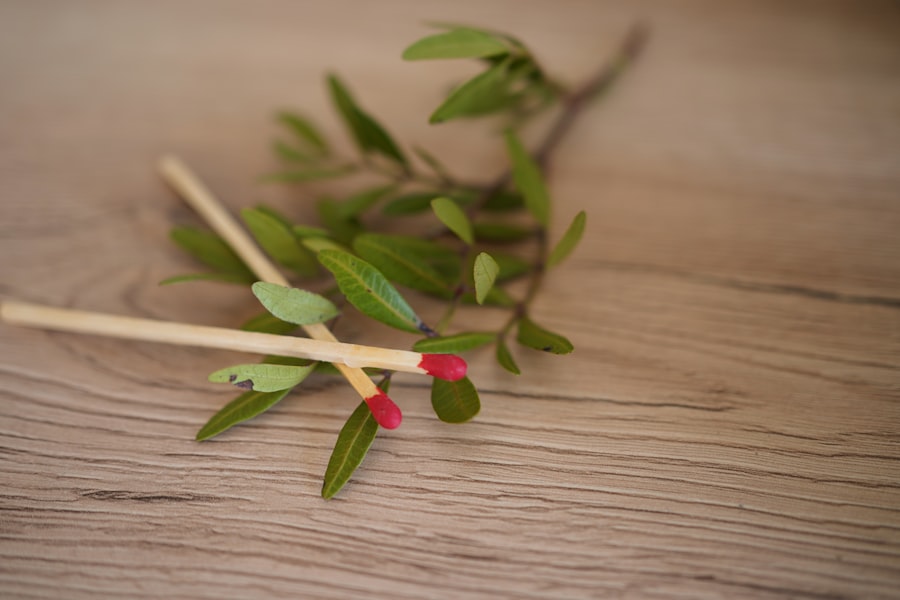
Fire starters come in various forms, each designed to cater to specific needs and preferences. One popular type is the chemical fire starter, which often comes in the form of tablets or sticks that ignite easily when exposed to a flame. These products are particularly useful for those who may struggle with traditional methods of starting a fire, as they require minimal effort and can burn for an extended period.
Another common type is the natural fire starter, which utilizes organic materials such as wood shavings or dried pine needles. These options are environmentally friendly and can be sourced from nature, making them ideal for eco-conscious campers. In addition to these conventional types, there are also innovative fire starters that utilize modern technology.
For instance, electric fire starters use battery power to create an intense heat source that can ignite tinder almost instantly. These devices are especially useful in damp conditions where traditional methods may fail. Furthermore, there are portable propane torches designed for outdoor cooking that can double as effective fire starters for campfires.
By understanding the different types of fire starters available, individuals can choose the one that best suits their needs and enhances their outdoor experience.
Tips for Using a Fire Starter Kit
| Tips for Using a Fire Starter Kit |
|---|
| 1. Read the instructions carefully before use. |
| 2. Choose a safe and open area to start the fire. |
| 3. Gather dry kindling and tinder to help the fire starter kit. |
| 4. Use the appropriate amount of fire starter material. |
| 5. Keep a fire extinguisher or water source nearby for safety. |
Using a fire starter kit effectively requires some knowledge and practice to ensure success in various conditions. One key tip is to always prepare your fire site before attempting to ignite it. Clear away any debris or flammable materials from the area where you plan to build your fire, creating a safe perimeter.
This not only minimizes the risk of accidental fires but also allows for better airflow around your kindling and tinder, which is essential for achieving a successful flame. Additionally, arranging your materials in a teepee or log cabin structure can promote efficient burning by allowing air to circulate freely. Another important aspect of using a fire starter kit is understanding the importance of patience and timing.
When starting a fire, it is crucial to allow your tinder to catch flame before adding larger pieces of wood. Rushing this process can lead to frustration and wasted resources. Once your tinder is burning steadily, gradually add kindling before moving on to larger logs.
This step-by-step approach ensures that your fire has a solid foundation and reduces the likelihood of it extinguishing prematurely. By following these tips, you can maximize the effectiveness of your fire starter kit and enjoy the warmth and comfort of a successful campfire.
Safety Precautions When Using a Fire Starter Kit
While starting a fire can be enjoyable and rewarding, it is essential to prioritize safety at all times. One of the most critical precautions is to always have water or an extinguisher nearby when igniting a fire. This ensures that you can quickly douse any flames if they get out of control or if an unexpected wind picks up.
Additionally, it is vital to choose an appropriate location for your fire—ideally on bare soil or gravel rather than grass or leaves—to minimize the risk of spreading flames. Always check local regulations regarding open fires in your area, as some regions may have restrictions due to dry conditions. Another important safety measure involves being mindful of wind direction when starting your fire.
Positioning your fire away from tents, vehicles, or other flammable structures is crucial for preventing accidents. Furthermore, never leave a fire unattended; even small flames can quickly escalate into larger blazes if not monitored closely. Once you are finished using the fire, ensure that it is completely extinguished by pouring water over it and stirring the ashes until they are cool to the touch.
By adhering to these safety precautions, you can enjoy your outdoor experience while minimizing risks associated with open flames.
DIY Fire Starter Kit Options
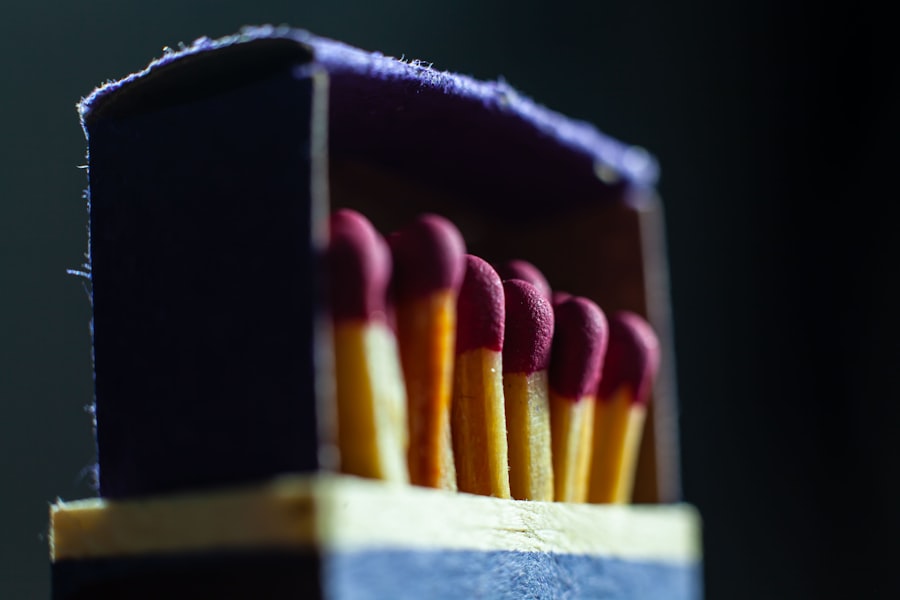
Creating your own DIY fire starter kit can be both cost-effective and rewarding, allowing you to customize it according to your specific needs and preferences. One popular method involves using household items such as egg cartons filled with dryer lint or sawdust soaked in wax. Simply fill each compartment of the egg carton with lint or sawdust and pour melted wax over them; once cooled, these homemade fire starters can be easily transported and ignited with minimal effort.
This approach not only recycles materials but also provides an effective means of starting fires in various conditions. Another DIY option involves crafting natural fire starters using items found in nature. For instance, pine cones coated with wax make excellent fire starters due to their natural oils that ignite easily.
You can also gather dry leaves or small twigs and bundle them together with string or twine for easy transport. Additionally, using cotton balls soaked in petroleum jelly creates an effective and lightweight option that burns for several minutes—ideal for getting larger logs going. By exploring these DIY options, you can create a personalized fire starter kit that reflects your resourcefulness while ensuring you are well-prepared for any outdoor adventure.
Best Practices for Maintaining and Storing a Fire Starter Kit
Proper maintenance and storage of your fire starter kit are essential for ensuring its effectiveness when needed most. First and foremost, regularly check all components of your kit for signs of wear or damage. Matches should be kept dry and stored in waterproof containers to prevent moisture from compromising their usability.
Lighters should be checked periodically to ensure they still have fuel and function correctly; replacing them as needed will save you from potential frustration during an outdoor excursion. In terms of storage, consider keeping your fire starter kit in a dedicated waterproof bag or container that is easily accessible during your adventures. Organizing items within the kit—such as separating matches from tinder—can streamline the process when you need to start a fire quickly.
Additionally, store your kit in a cool place away from direct sunlight to prevent degradation of materials over time. By following these best practices for maintenance and storage, you can ensure that your fire starter kit remains reliable and ready for use whenever you embark on your next outdoor journey.
If you’re looking to enhance your survival skills, particularly in starting fires in the wilderness, you might find the article on the best fire starter kits extremely useful. It provides detailed reviews and recommendations to help you choose the right tools for your outdoor adventures. You can read more about it by visiting Survival Leader, where they cover a wide range of survival gear and techniques that are essential for any outdoor enthusiast.
FAQs
What is a fire starter kit?
A fire starter kit is a collection of tools and materials designed to help start a fire in outdoor or emergency situations. It typically includes items such as matches, lighters, fire starters, and tinder.
What are the essential items in a fire starter kit?
Essential items in a fire starter kit include waterproof matches, a reliable lighter, fire starter cubes or sticks, and tinder such as cotton balls or dryer lint.
How do you use a fire starter kit?
To use a fire starter kit, you would first gather your firewood and arrange it in a suitable fire pit or fireplace. Then, you would use the tools and materials in the kit to ignite the fire, starting with the tinder and gradually adding larger pieces of wood.
Why is a fire starter kit important?
A fire starter kit is important because it provides the necessary tools to start a fire in outdoor or emergency situations, which can be crucial for warmth, cooking, and signaling for help.
What are the different types of fire starter kits available?
There are various types of fire starter kits available, including compact kits designed for backpacking and camping, emergency kits for survival situations, and larger kits for outdoor cooking and grilling.